
3 reasons to buy the Mercedes-AMG E 53 PHEV and 3 reasons not to

Mercedes-AMG E 53 PHEV

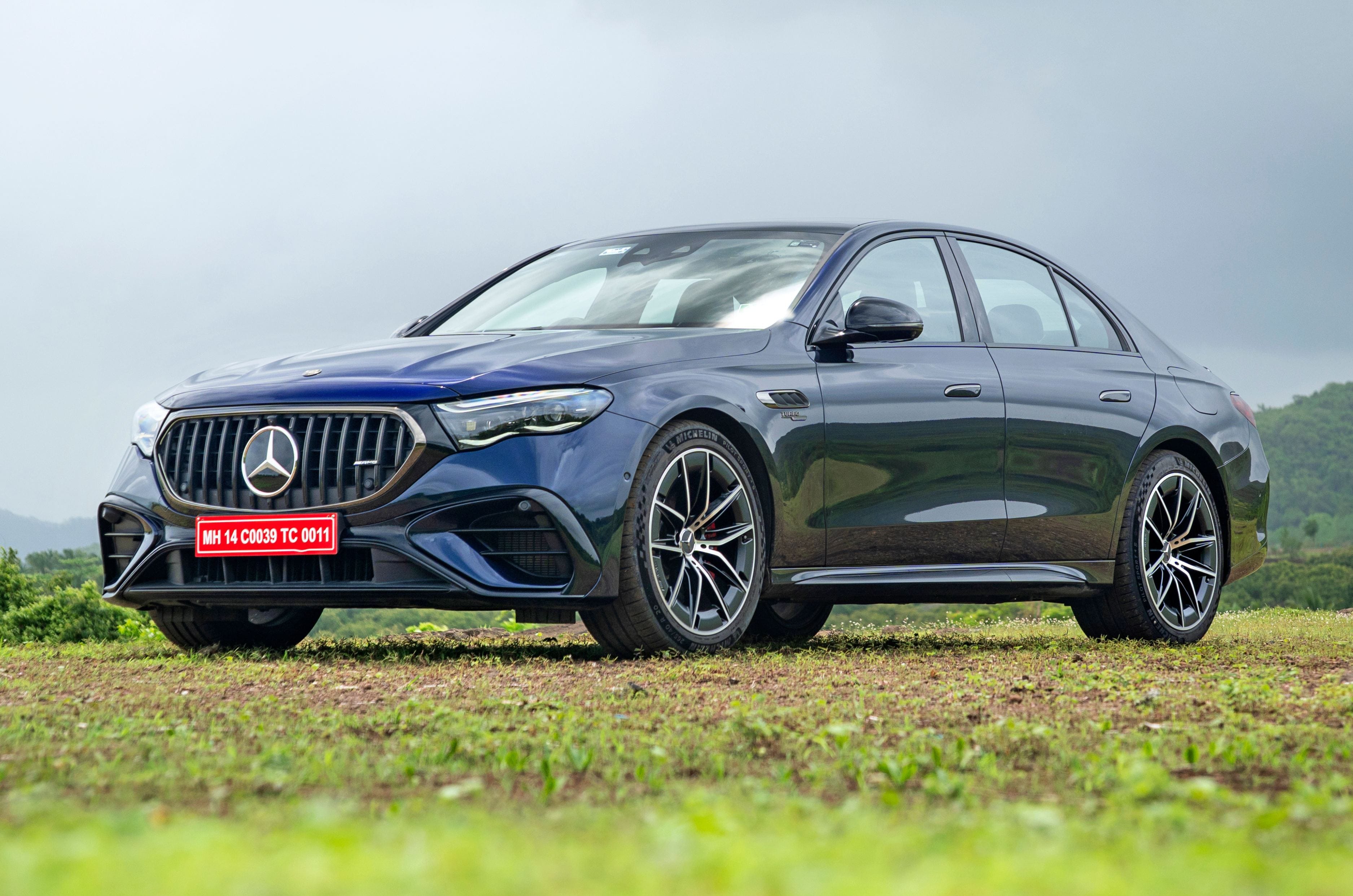
Mercedes-Benz has bolstered the E-Class range in India with the performance-focused AMG E 53 plug-in hybrid, which is priced at Rs 1.45 crore (ex-showroom). Unlike the regular India-spec E-Class, which is an LWB (long-wheelbase) model, the AMG E 53 PHEV is a shorter SWB (standard-wheelbase) version. It’s also the only AMG version of the current-gen E-Class on sale worldwide. If you’re interested in bringing home the AMG E 53 PHEV, we’ve listed the performance sedan’s most prominent strengths and weaknesses below.

Pros

Exciting powertrain
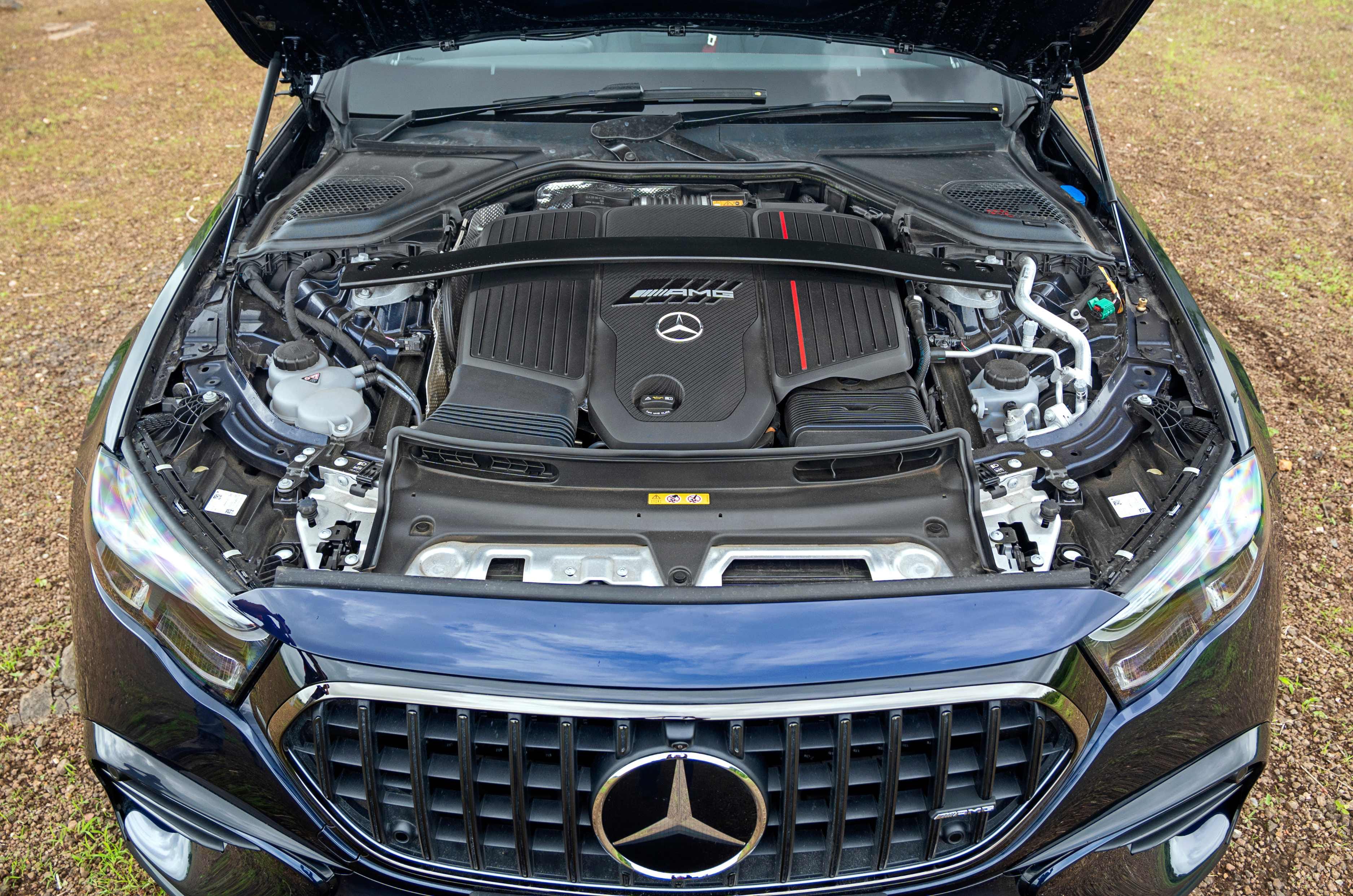
The E 53 comes with a plug-in hybrid setup that marries a 449hp 3.0-litre turbo-petrol straight-six, a 28.6kWh battery pack and an electric motor housed within the 9-speed automatic gearbox. The combined output is 585hp and 750Nm (612hp when using launch control), which is routed to all four wheels via Mercedes’s 4Matic+ AWD system.

As we noted in our Mercedes-AMG E 53 PHEV review, it’s a blast to drive in its most aggressive Sport+ drive mode. Both the engine and electric motor operate at maximum capacity, providing rapid but smooth acceleration and strong power delivery. The gearbox also feels well-suited to the powertrain, with quick shifts and an ‘M’ mode that gives you full control and doesn’t intervene even if you hit the redline. That said, the gearbox can feel clunky and too eager at crawling city speeds, as it tends to constantly shuffle through the lower gears.
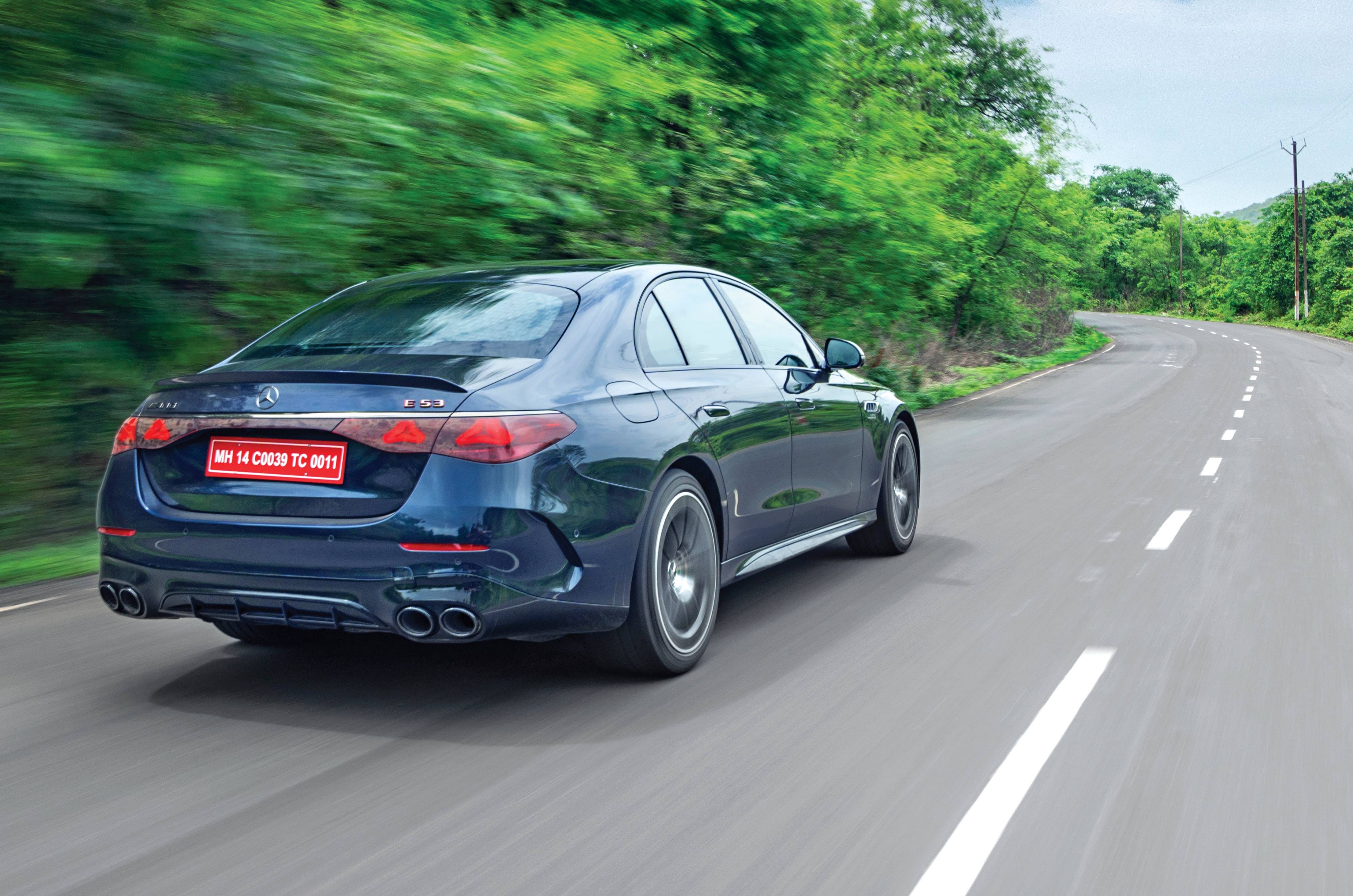
For the E 53, Mercedes-AMG claims a 0-100kph time of 4 seconds with launch control and an electronically limited top speed of 250kph, which rises to 280kph with the optional AMG Driver’s Package.

Usable electric range
Thanks to its 28.6kWh battery, the E 53 claims a 100km all-electric range, which, in the real world, will likely hover in the 75-90km ballpark. This is more than enough to complete daily urban commutes without burning a drop of petrol, making the E 53 surprisingly affordable to run, at least in the city.
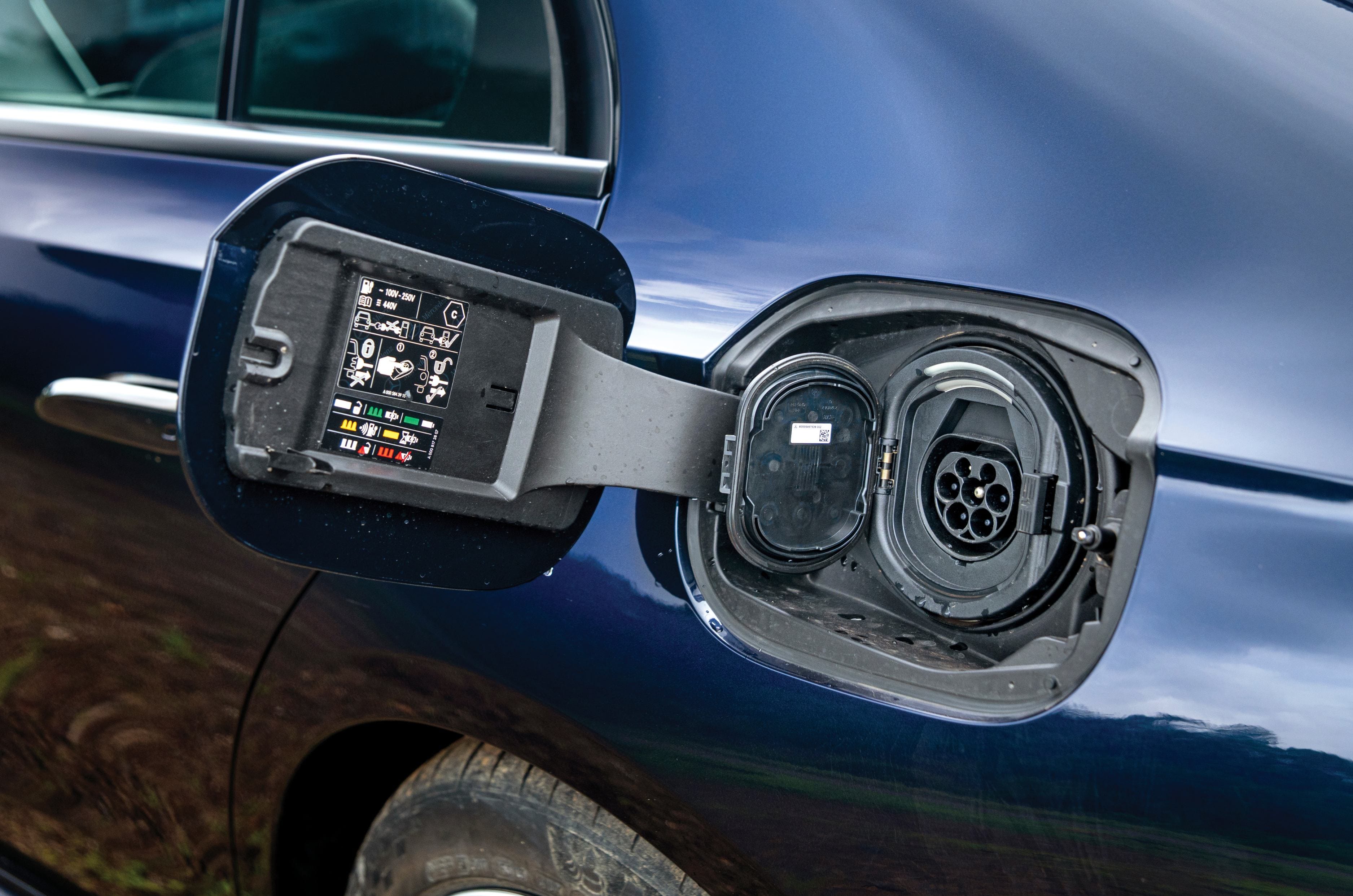
Once the battery begins to deplete, the straight-6 engine fires up and drives the wheels, but even then, the hybrid system pitches in via constant regenerative braking and electric assistance, ensuring the E 53 feels responsive while delivering better fuel efficiency than an equivalent pure-petrol performance sedan. As for charging, an 11kW AC wallbox takes 2.25 hours for a 0-100 percent charge, while a 60kW DC fast charger takes 20 minutes for a 10-80 percent top-up.

Fantastic handling

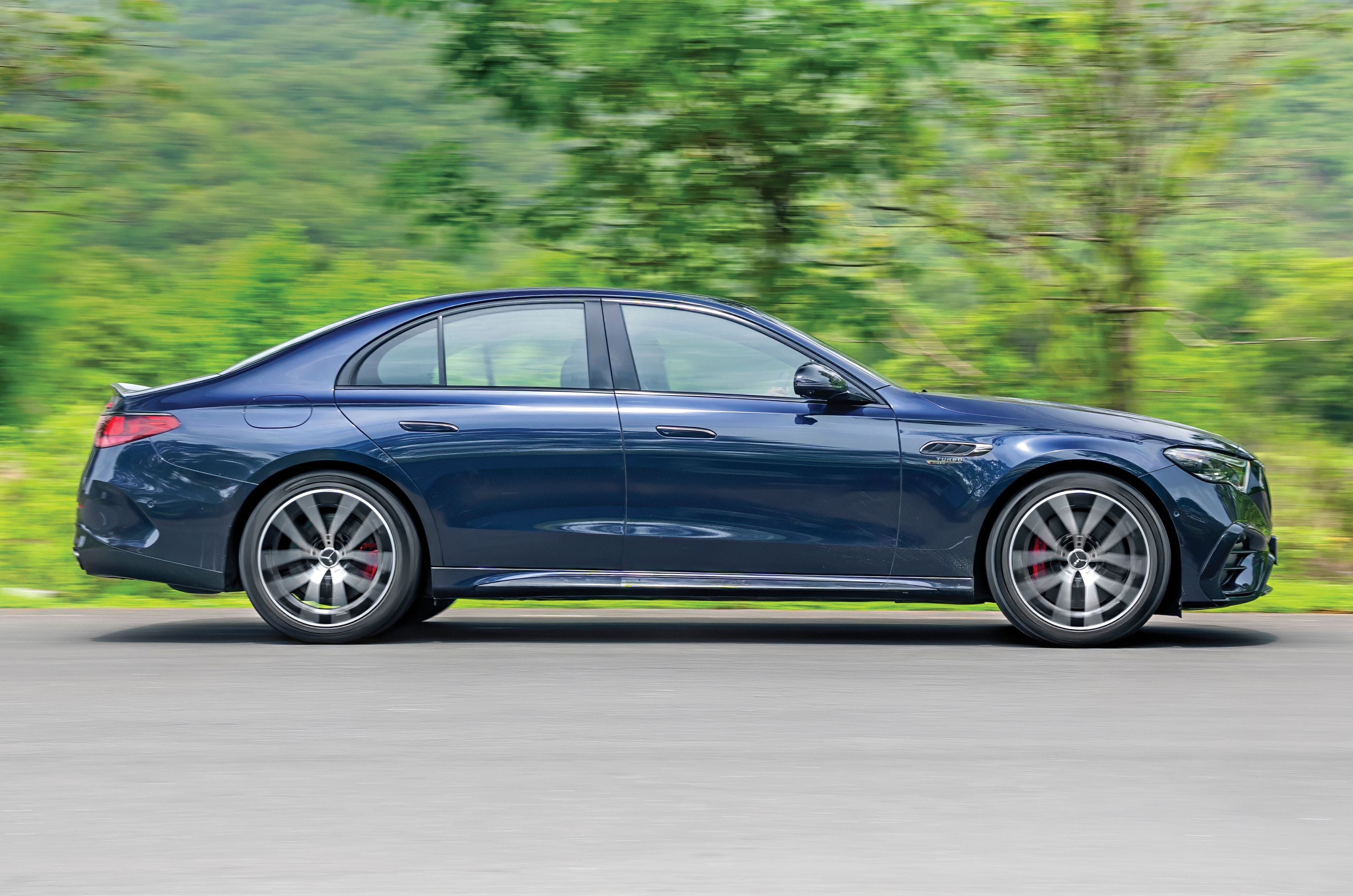
Around the bends, the E 53 feels remarkably composed, even though it lugs around a fairly substantial battery pack – its low placement helps keep the centre of gravity down. Body roll is kept in check. The Sport and Sport+ drive modes noticeably tighten up the car; the dampers become more responsive, and the steering gains heft.
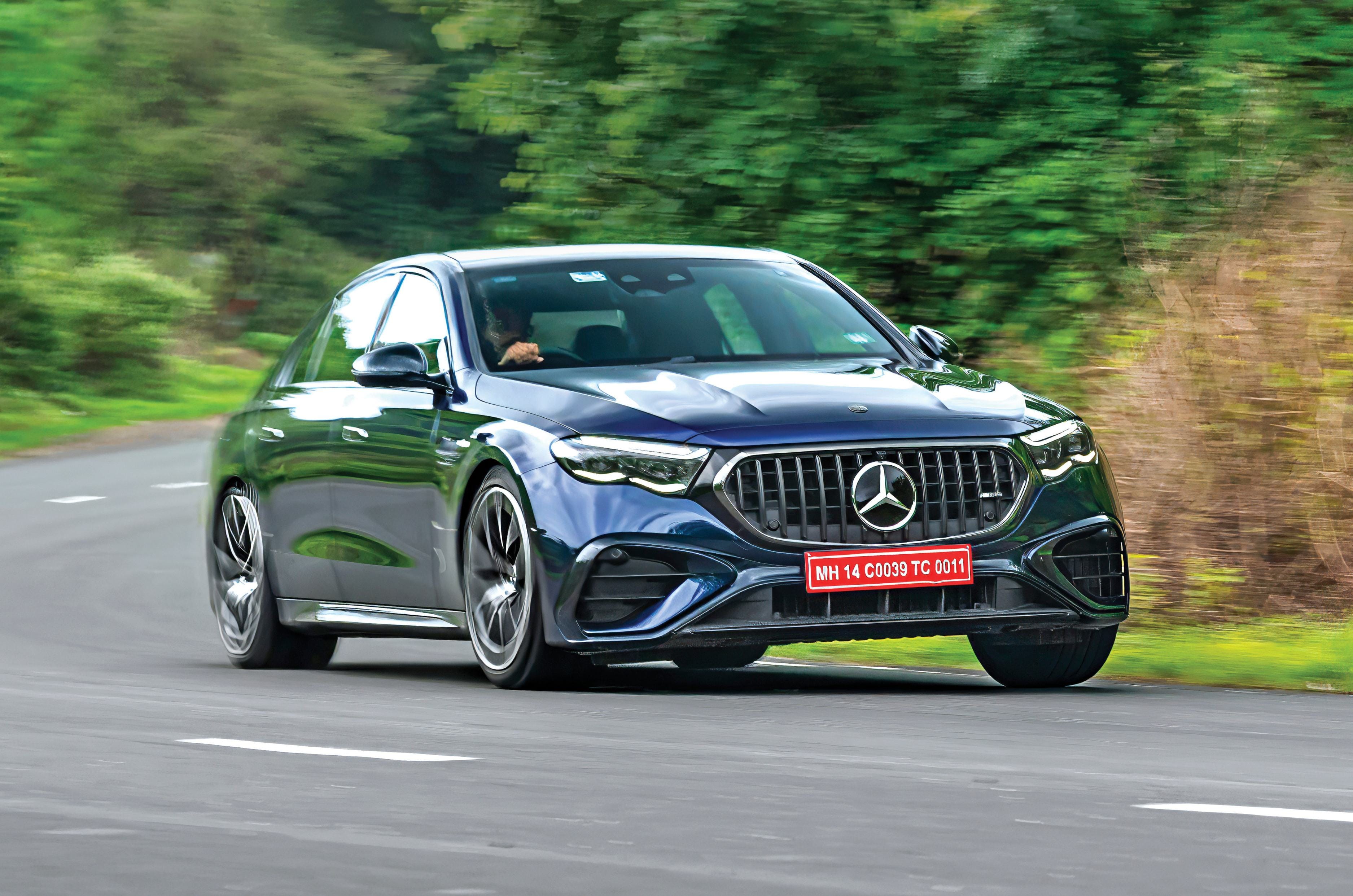
The AWD system is rear-biased, and the Michelin Pilot Sport 4S tyres confidently deploy all that power to the road. Rear-wheel steering of up to 2.5 degrees is also included, aiding stability through high-speed corners.

Cons

Unnatural brake feel
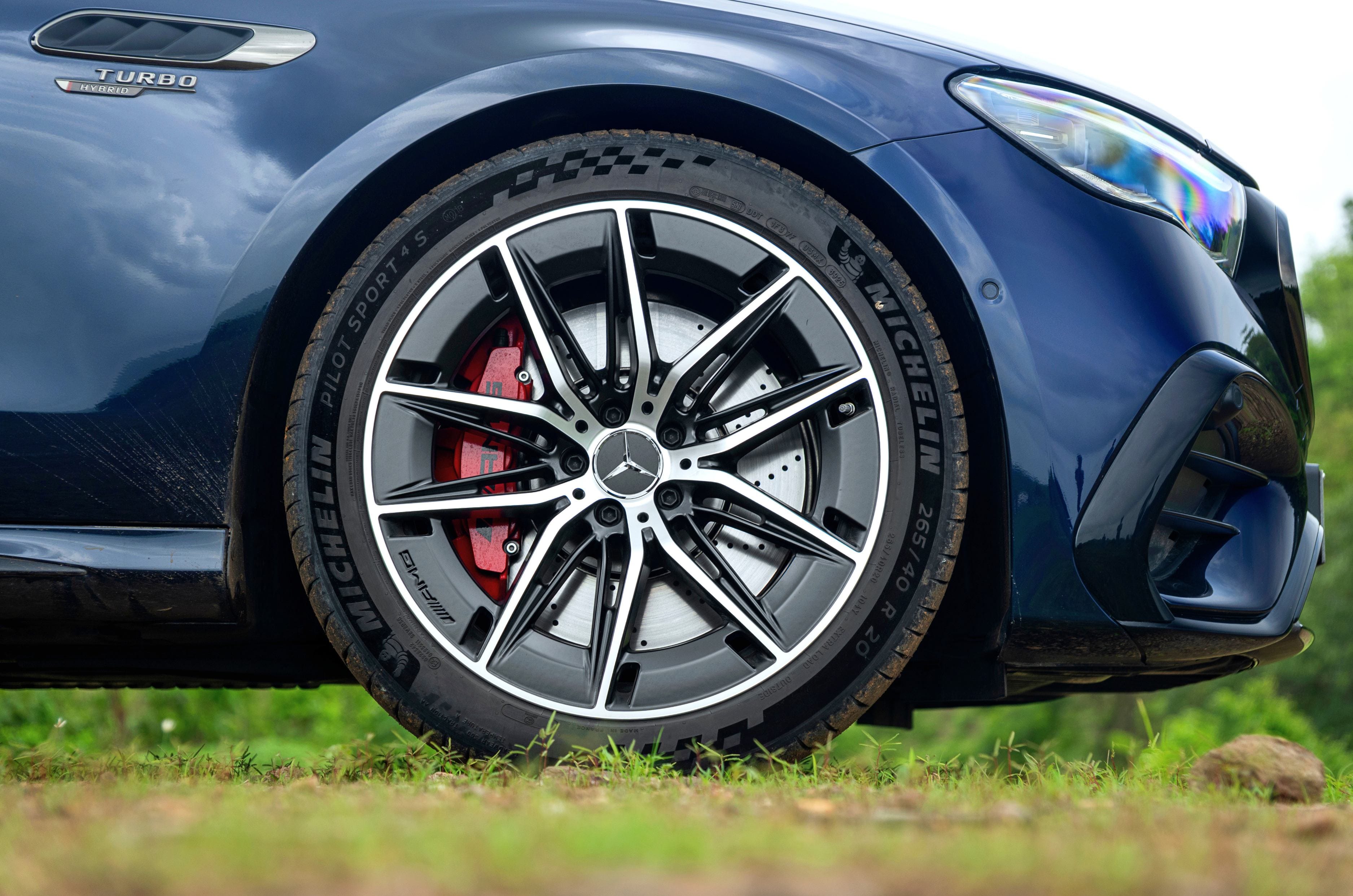
Despite being fitted with massive 390mm discs up front and regenerative braking, the E 53 doesn’t deliver a natural or consistent pedal feel. Stopping power is strong, but the spongy, inconsistent brake pedal puts a damper on an otherwise fun driving experience.

Poor in-cabin ergonomics
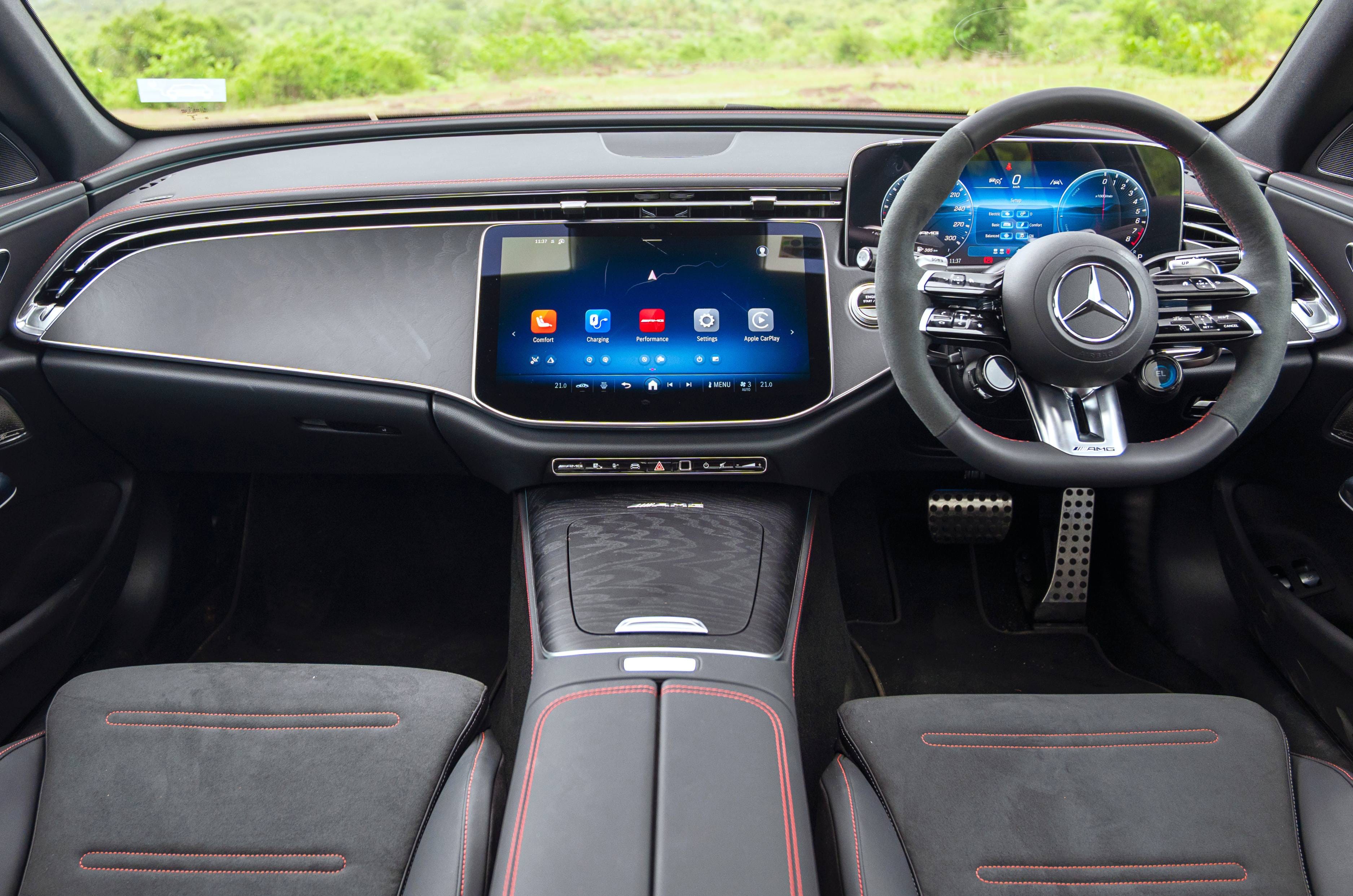
While the interior layout of the E 53 looks and feels very upmarket, its ergonomics suffer due to a glaring absence of physical controls. Much of the in-cabin functionality is folded into the large 14.4-inch central touchscreen, which isn’t all that intuitive to use while on the move. The touch-capacitive controls on the steering wheel further add to the frustration.

Compromised boot space
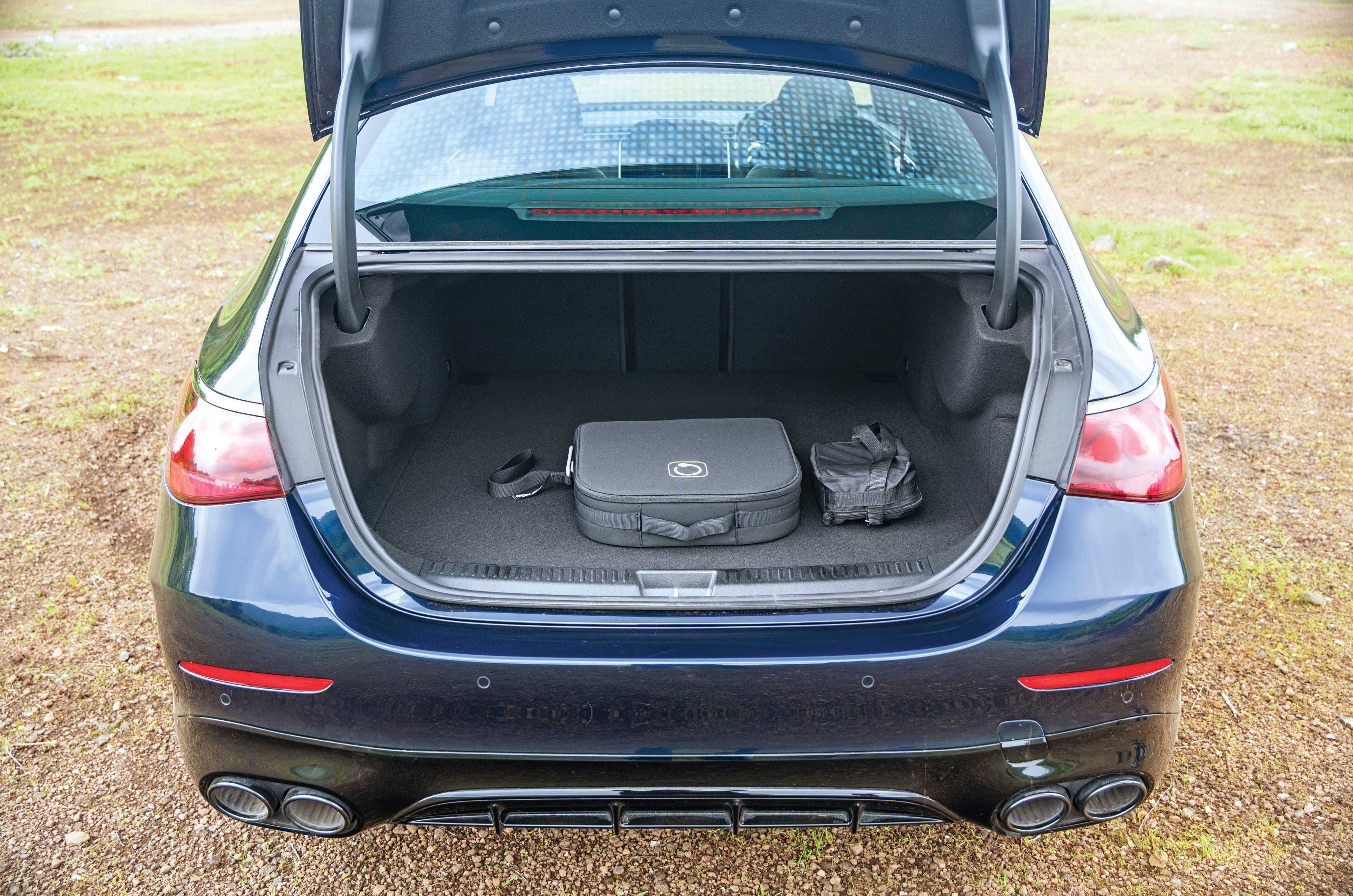
While the battery pack helps enhance the E 53’s performance and daily usability, its placement beneath the boot floor significantly eats into luggage capacity. At 370 litres, the E 53’s boot is 170 litres smaller than that of the standard E-Class. There’s no spare wheel either, with its space instead occupied by the charging cable and puncture repair kit.

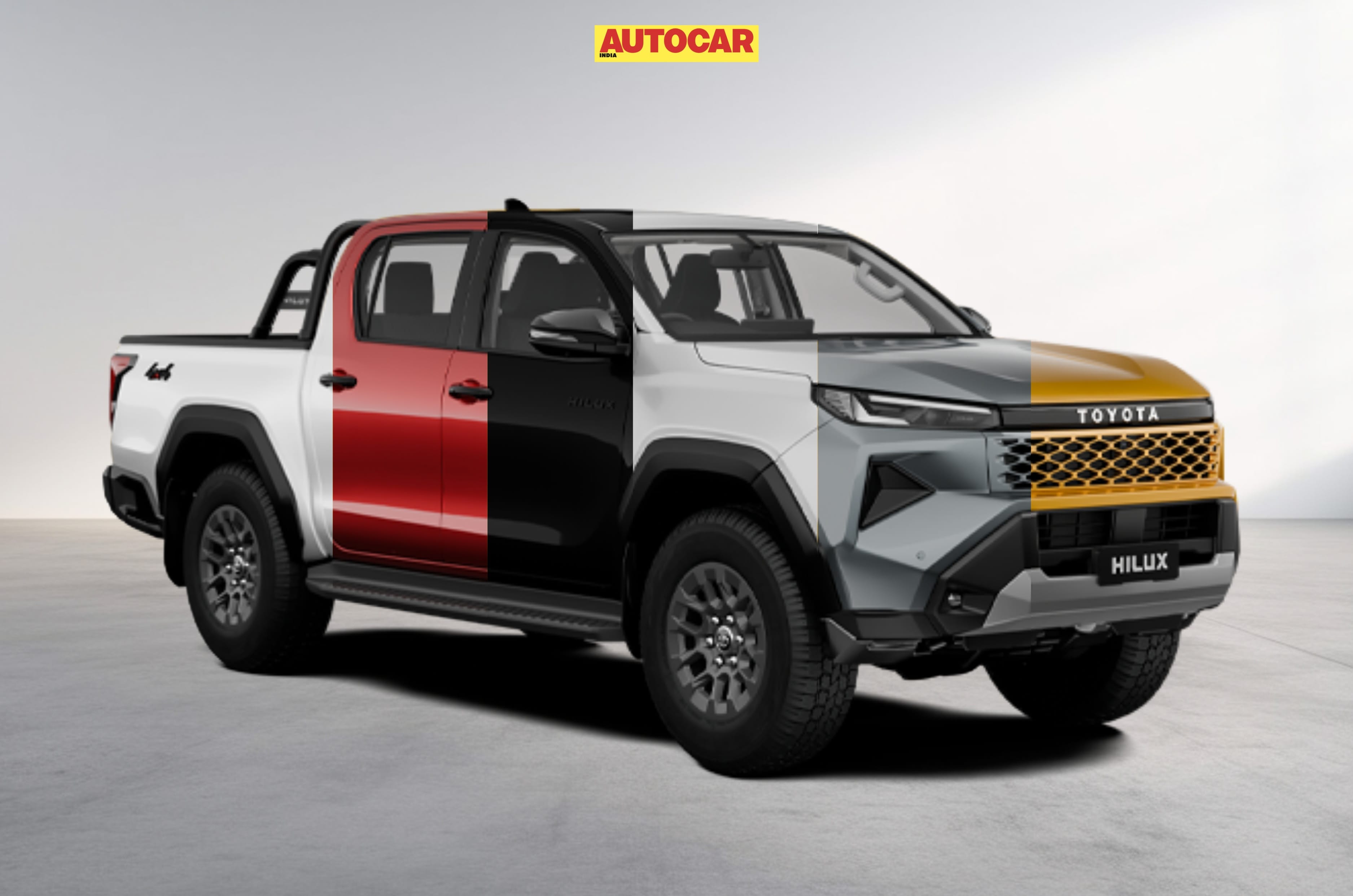
2026 Toyota Hilux colours gallery

2026 Toyota Hilux All Colours

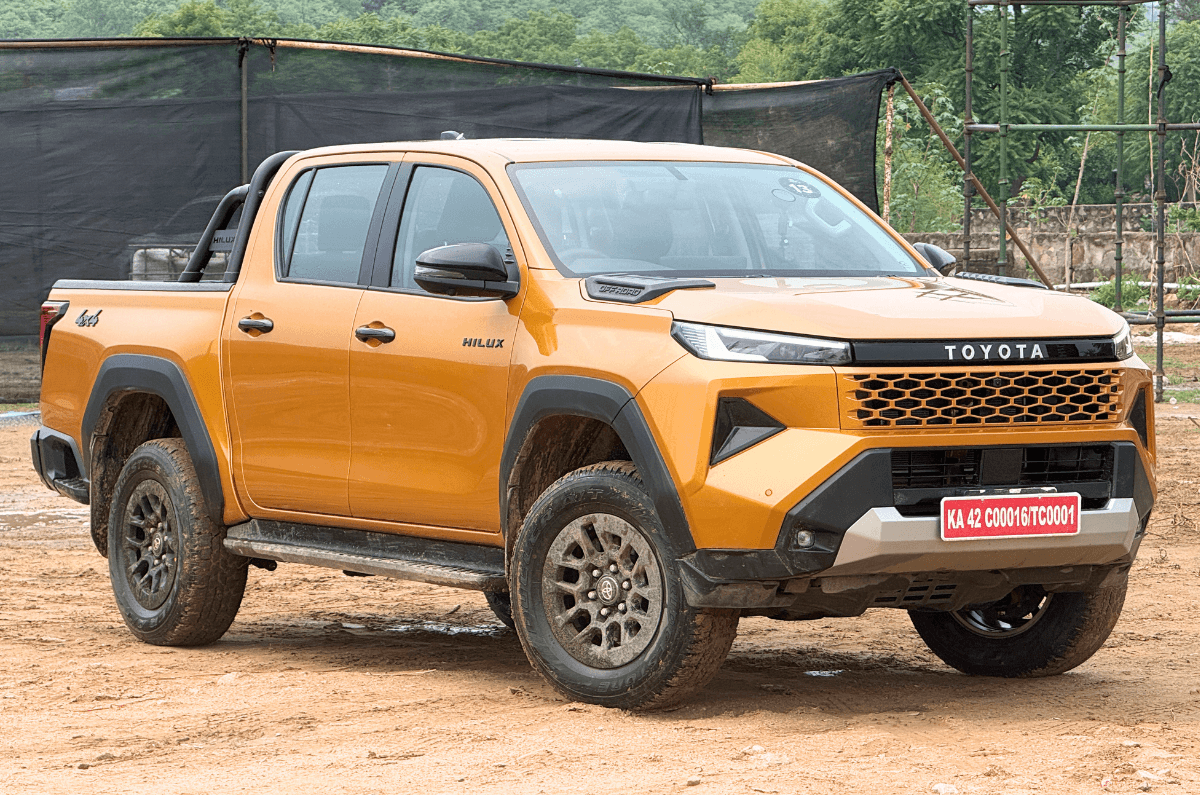
With the launch of the 2026 Hilux, Toyota’s India line-up now has the ninth-generation model of this popular pickup truck. Powered by a 2.8-litre turbo-diesel engine that belts out 204hp and 500Nm of torque, the new Hilux offers buyers a 6-speed automatic transmission (AT) and a choice of 2WD and 4WD drivetrain configurations. Customers can also pick from half-a-dozen exterior colours – all of which are mono-tone shades.

Also see

2026 Toyota Hilux interior in images

2026 Maruti Suzuki Brezza colours gallery

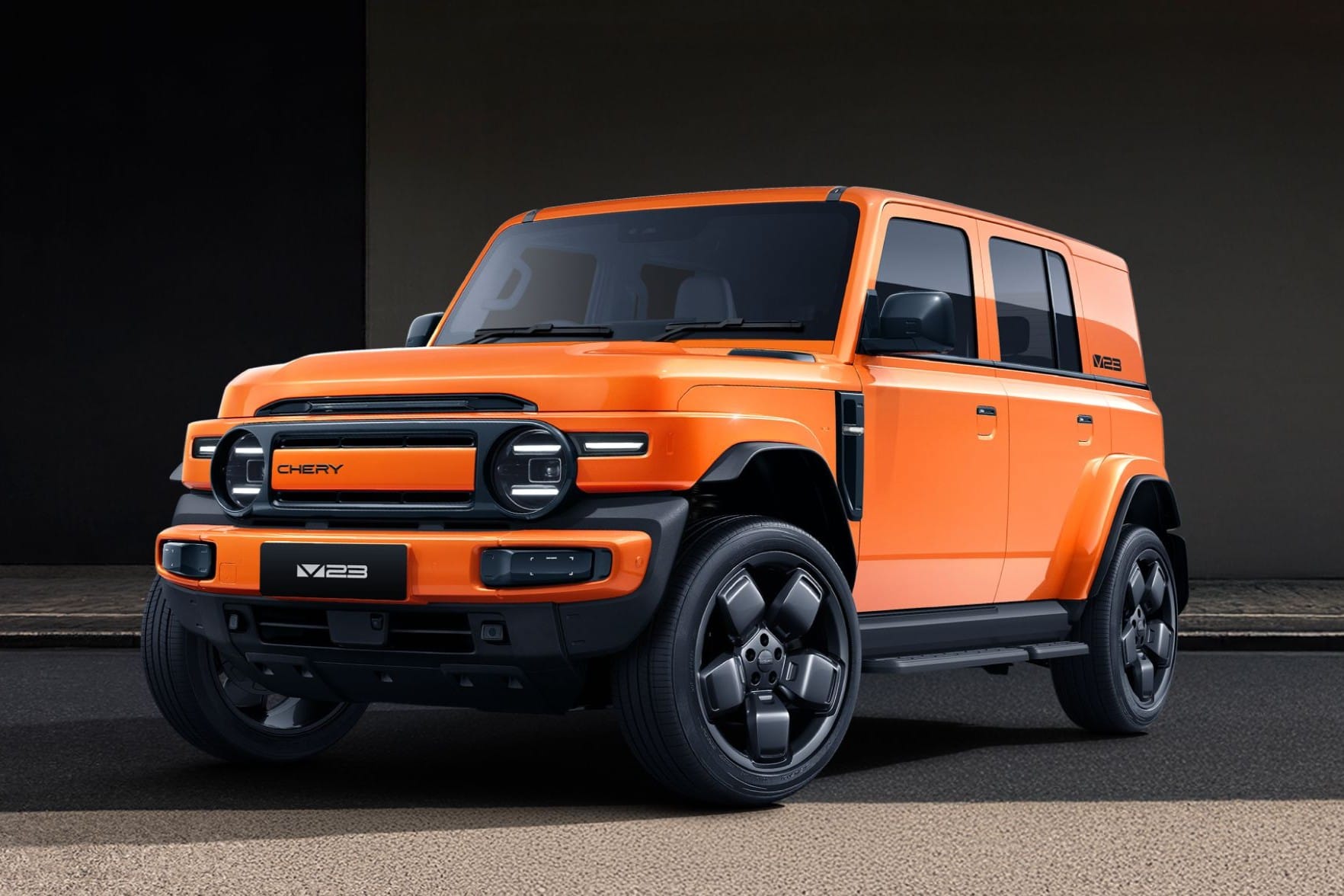
JSW Motors’ Chery iCar V23-based electric SUV to offer AWD

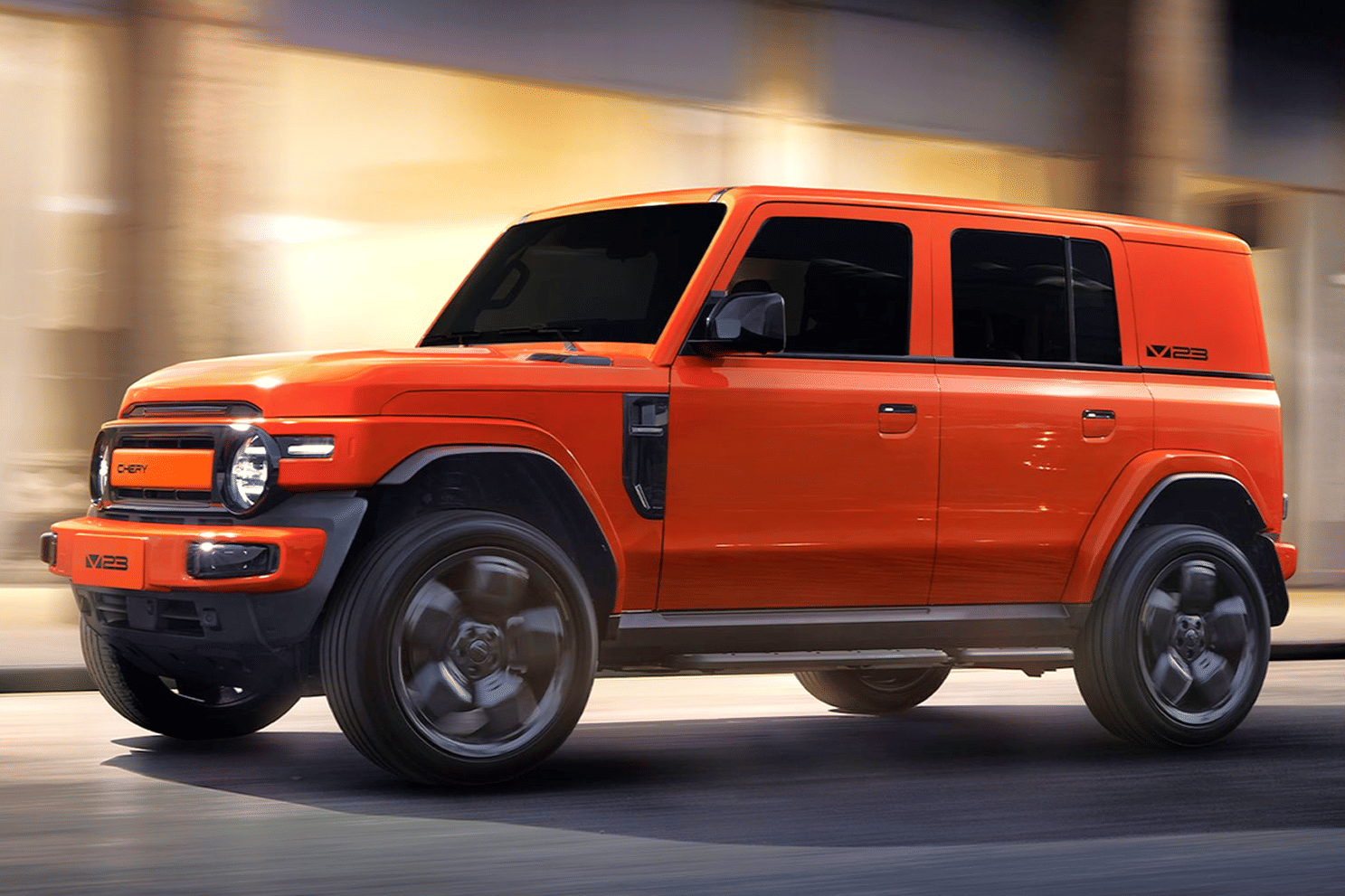
Chery iCar V23

JSW Motors’ third model, an electric SUV based on the Chery iCar V23, is expected to be sold with a dual-motor all-wheel drive powertrain in India, per our sources. This EV will be the first mass-market electric off-roader in India, and its closest rival will be the Mahindra Thar Roxx, which is ICE-powered, but also a 5-door off-road-focused SUV. We even reported previously that JSW’s iCar V23-based EV may be priced under Rs 20 lakh (ex-showroom).

JSW Motors’ iCar V23-based electric SUV: Powertrain

In global markets, the dual-motor AWD version of the iCar V23 packs an 81.76kWh NMC battery pack with an NEDC-certified range of 430km. Combined output is pegged at 211hp and 292Nm, which makes for a rather brisk 0-100kph time of 7.5 seconds (claimed). Top speed is rated at 140kph. The global-spec iCar V23 also supports up to 6.6kW AC and 104kW DC charging speeds.

JSW Motors’ iCar V23-based electric SUV: Exterior and interior

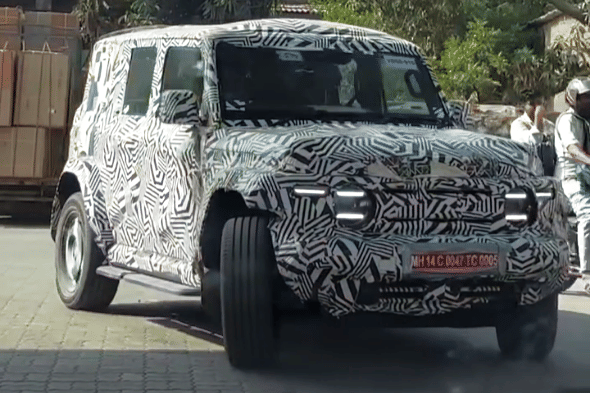
Credit: @torqueculturee via Instagram

Test mules of JSW’s iCar V23-based EV have been spotted on Indian roads on several occasions, hinting at a very similar design to that of the global model. For reference, the global-spec iCar V23 measures 4,220mm in length, 1,915mm in width, and 1,845mm in height, with a wheelbase of 2,735mm. It also has an unladen ground clearance of 210mm.

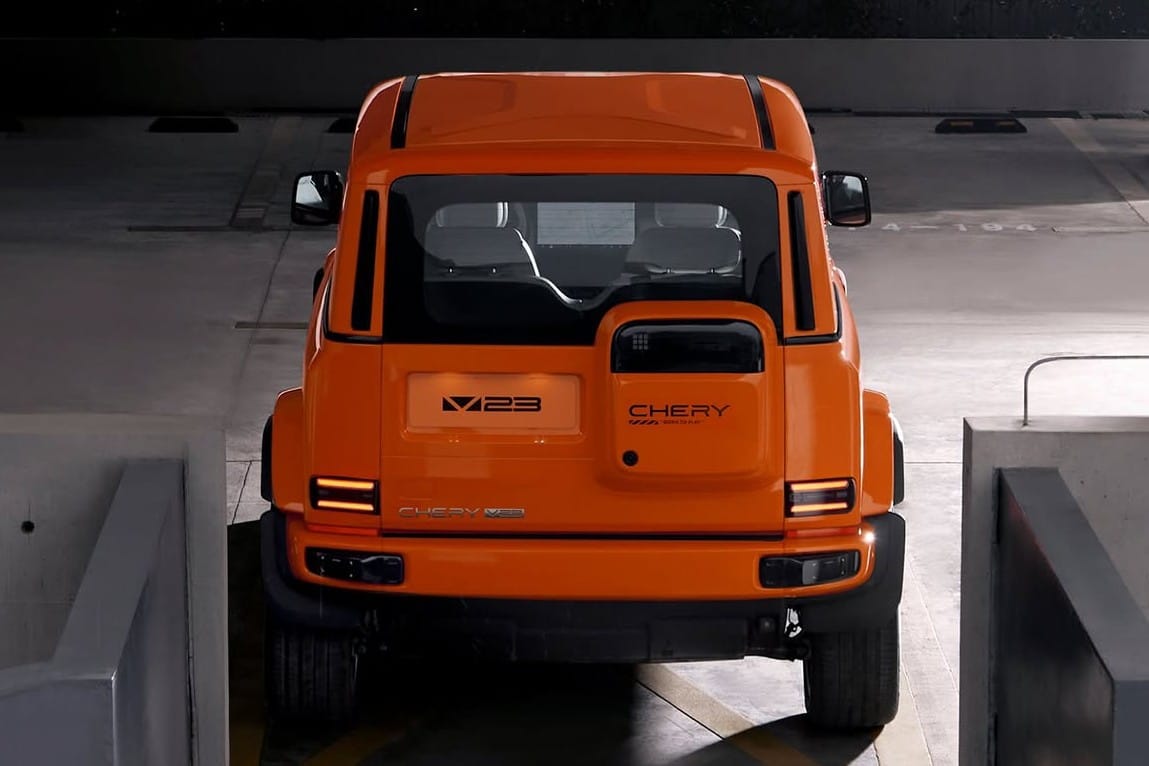
Size-wise, then, the iCar V23 slots between the Maruti Jimny and Thar Roxx. Styling highlights for the iCar V23 include butch and boxy proportions, muscular bumpers, flared and squared-off fenders, 21-inch alloy wheels, circular LED headlamps, low-set rectangular tail-lamps, and a bootlid-mounted spare wheel.

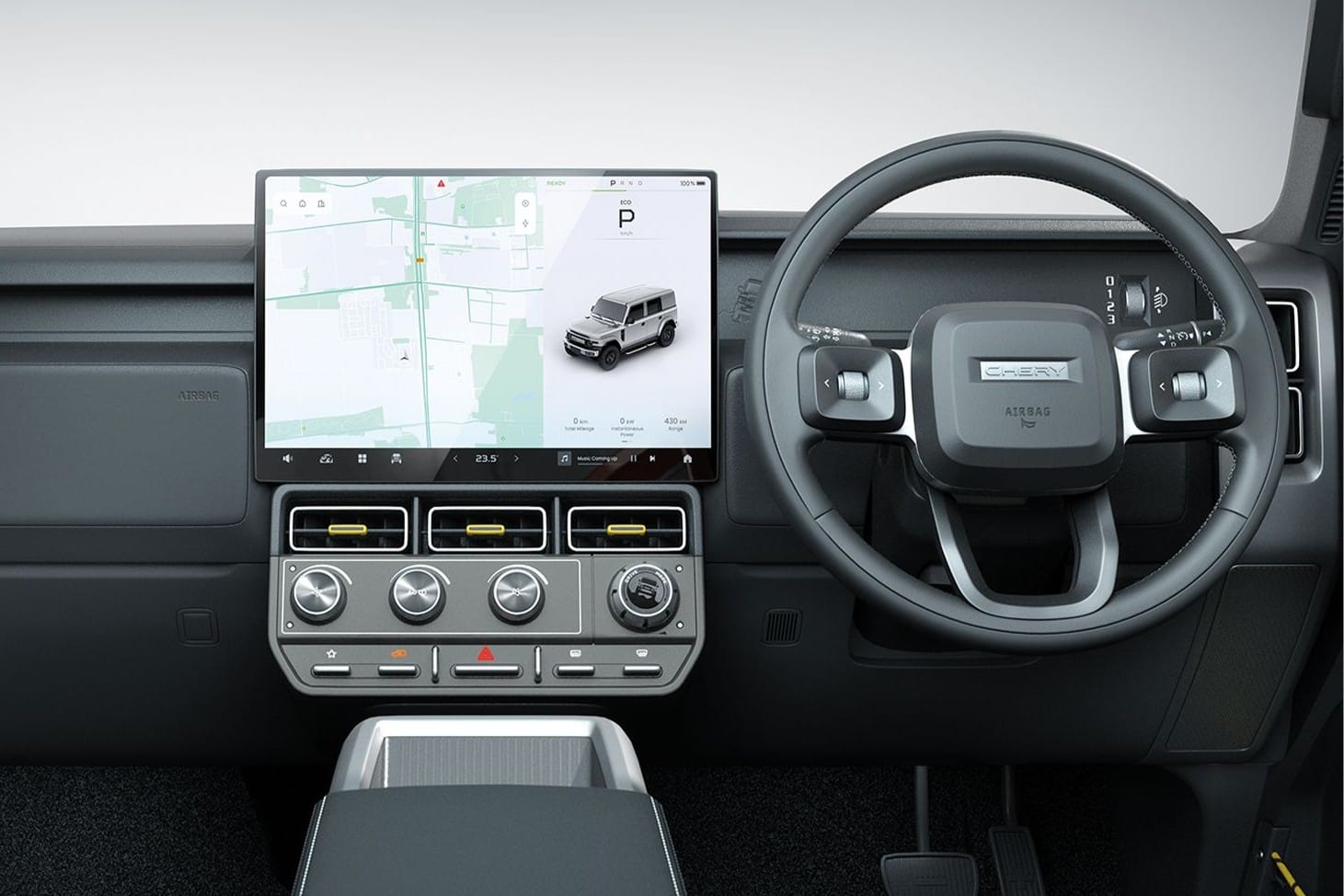
Inside, the iCar V23 sports a minimalist dashboard layout, comprising a massive 15.4-inch infotainment touchscreen, a three-spoke steering wheel, and two rows of physical controls on the centre console. As for features, the global-spec iCar V23 packs wireless Apple CarPlay and Android Auto, a 540-degree camera, six drive modes, ADAS, powered and ventilated front seats, V2L functionality, a digital key, a 7-speaker sound system, and more.

2026 Toyota Hilux interior in images

2026 Toyota Hilux interior dashboard

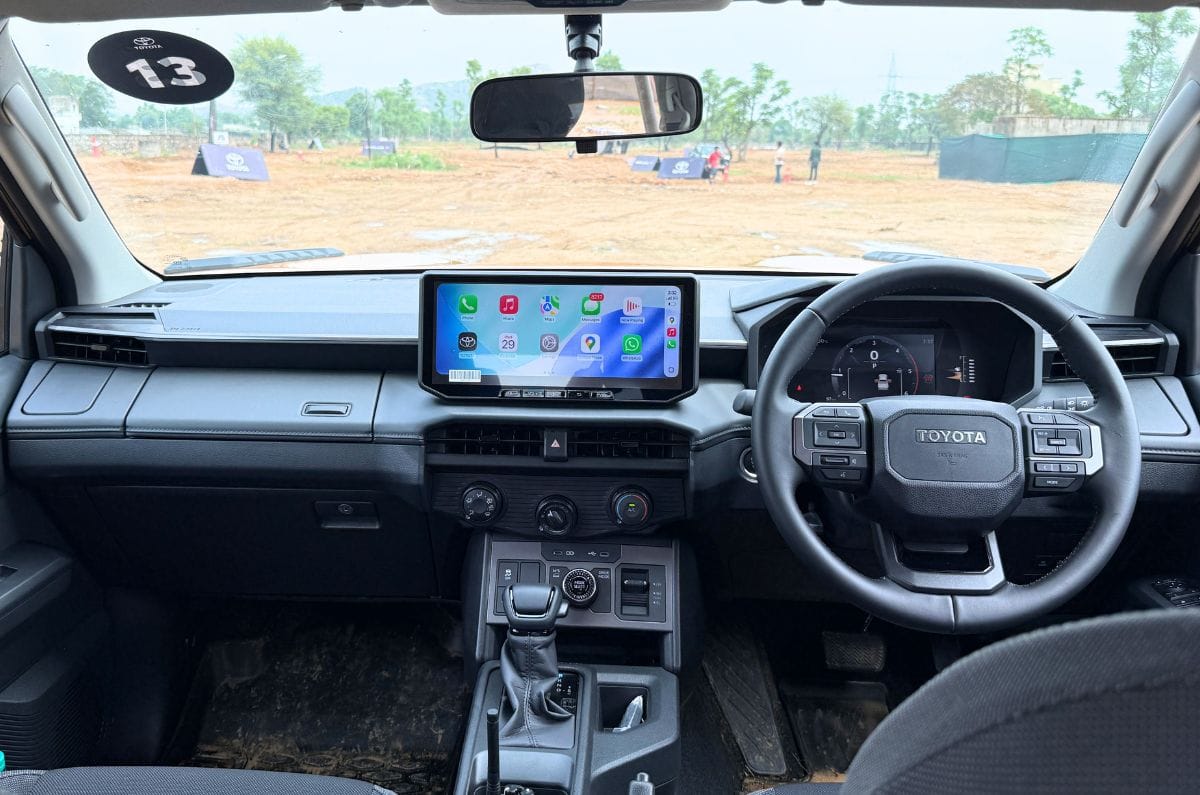
Toyota has launched the ninth-generation Hilux in India with prices ranging between Rs 31.99 lakh to Rs 36.69 lakh (ex-showroom). The new-gen model brings a completely new interior that looks more modern and contemporary, but on the equipment front, it’s under specced for its money. The cabin is finished in an all-black theme and it does exude a sense of ruggedness with hard wearing materials all around. There’s also some use of soft-touch materials on the dashboard and door pads that bring a much-needed premium feel. Toyota has also generously used physical controls for all key functions, which definitely aids usability; the buttons and dials also operate with nice tactility. Like all Toyotas, the cabin feels built to last and is quite practical with lots of storage places built in.  

2026 Toyota Hilux exterior image gallery

2026 Toyota Hilux

The ninth-generation Toyota Hilux has been launched in India, priced between Rs 31.99 lakh and 36.69 lakh, ex-showroom. Compared to the outgoing generation of the pickup truck, the new model gets updated front and rear profiles. In fact, it’s design looks inspired of the Toyota’s Tacoma pickup truck sold in international markets.

Under the hood, however, the new Hilux carries over the tried-and-tested 2.8-litre turbo-diesel mill, producing 204hp and 500Nm. Transmission duties are handled by a 6-speed torque-converter automatic unit, which is now standard across the range; a manual gearbox is no longer an option. Also, both two-wheel-drive and four-wheel-drive configurations are on offer. 

Commonwealth Games 2026 के शॉट पुट में यह दो एथलीट पहुंचे फाइनल में

Tajinderpal Singh

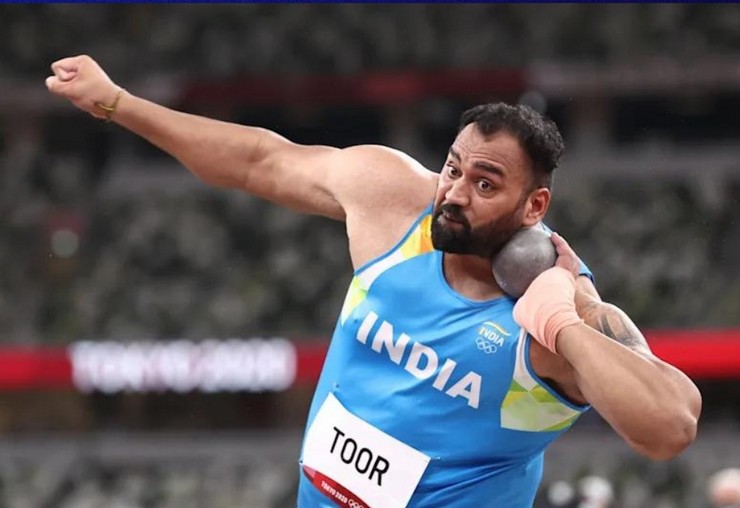
CommonWealth Games 2026 के शॉट पुट में भारत के टॉप्स के दो एथलीट तजिंदर पाल सिंह तूर और समरदीप सिंह गिल शॉट पुट स्पर्धा के फाइनल में पहुंच चुके हैं। तजिंदर पाल सिंह ने क्वालिफाइंग राउंड में 20.14 मीटर दूर शॉट पुट फेंका और उनका यह थ्रो दूसरा सर्वश्रेष्ठ थ्रो रहा। भारत चाहेगा कि फाइनल में भी वह दूसरे स्थान पर रहकर कम से कम सिल्वर मेडल ले पाएं।

समरदीप सिंह गिल शॉट पुट स्पर्धा में तजिंदर पाल सिंह तूर से ज्यादा दूर नहीं थे। उन्होंने 19.95 मीटर दूर शॉट पुट फेंका लेकिन सिर्फ .20 मीटर के अंतर में ही वह पांचवे स्थान पर रहे। इससे अंदाजा लगाया जा सकता है कि प्रतियोगिता किस स्तर की है।

राष्ट्रीय रिकॉर्डधारी तूर ने दो प्रयासों में ही ग्रुप ए से 20 मीटर का स्वत: क्वालीफिकेशन मार्क हासिल कर लिया। उनका पहला प्रयास 19 . 93 मीटर और दूसरा 20.14 मीटर था।उन्होंने तीसरा प्रयास नहीं किया।ग्रुप बी से गिल का सर्वश्रेष्ठ प्रयास पहला ही था जिसमें उन्होंने 19 . 95 मीटर का थ्रो फेंका । दूसरा थ्रो 19 . 75 मीटर और तीसरा फाउल रहा।

वह 15 खिलाड़ियों में कुल पांचवें स्थान पर रहे। ग्रुप ए में सात और बी में आठ प्रतियोगी थे। 20 मीटर का आंकड़ा पार करने वाले या सर्वश्रेष्ठ 12 को बृहस्पतिवार को होने वाले फाइनल में जगह मिली।

न्यूजीलैंड के टॉम वाल्श ने 21.03 का थ्रो लगाकर पहला स्थान हासिल किया।तूर का सत्र का सर्वश्रेष्ठ प्रदर्शन 21.03 मीटर है जबकि उनका राष्ट्रीय रिकॉर्ड 21.77 मीटर का है जो उन्होंने 2023 में बनाया था।पिछले दो एशियाई खेलों के स्वर्ण पदक विजेता तूर दूसरी बार राष्ट्रमंडल खेलों में भाग ले रहे हैं। वह 2018 में गोल्ड कोस्ट में आठवें स्थान पर रहे थे जबकि पिछली बार चोट के कारण भाग नहीं लिया था।

Mini previews rugged Countryman derivative ahead of October debut

Countryman

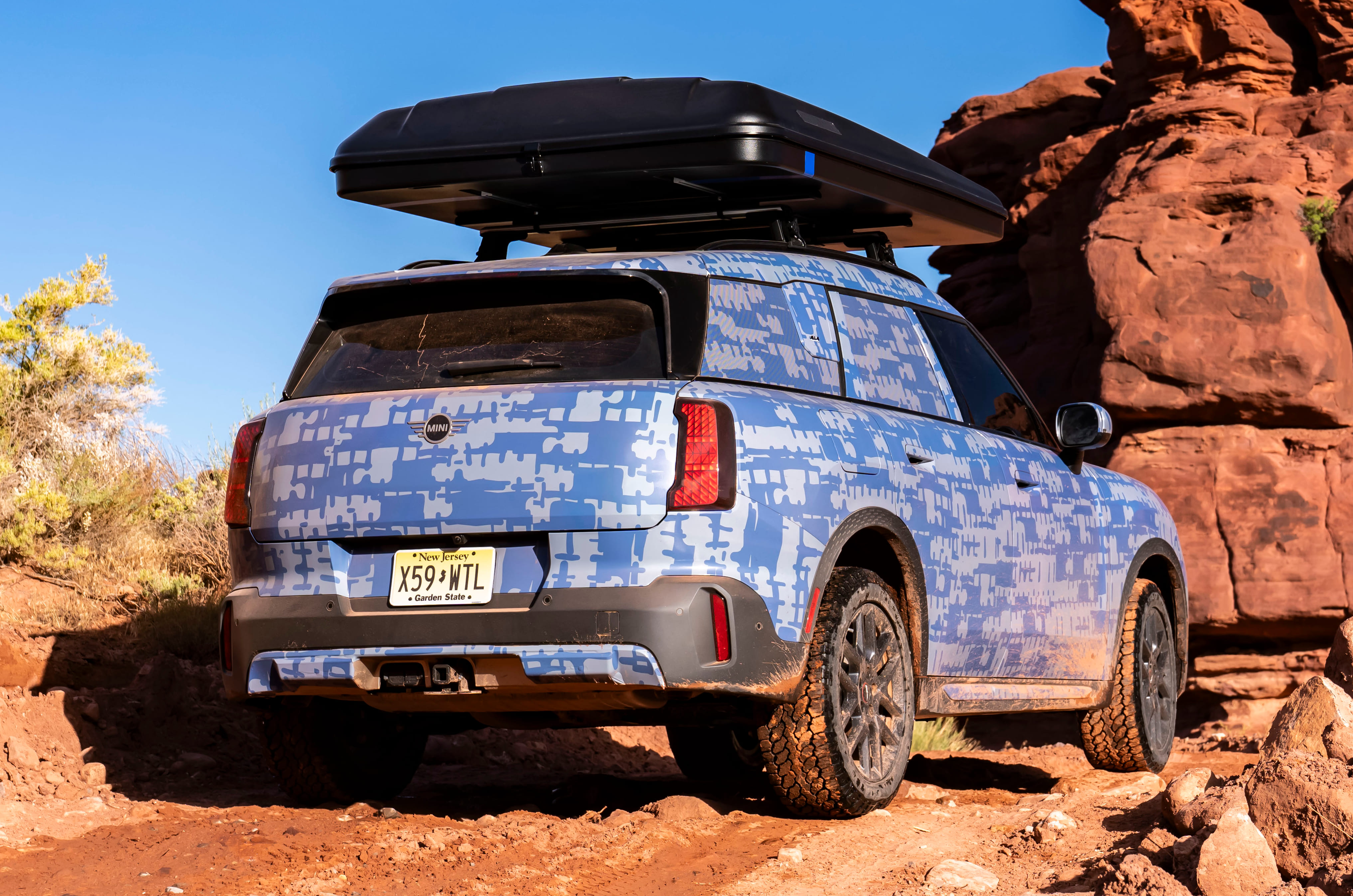
Mini has previewed a new off-road-inspired version of the Countryman, which is set to make its full debut in October. Revealed as a prototype, the new derivative gets suspension and styling changes aimed at improving its ability away from paved roads, and forms part of the brand’s strategy to broaden its range with more lifestyle-focused special editions.

  1. Production version to be unveiled in October
  2. Part of Mini’s strategy to expand its range of special editions

Prototype hints at off-road-focused updates

The prototype features a raised suspension, chunky off-road tyres and a roof-mounted tent, underlining its outdoor-focused positioning. Mini has released images of the vehicle testing in Colorado’s Rocky Mountain National Park, where rugged versions of family SUVs have become increasingly popular.

Mini boss Jean-Philippe Parain said the company is “just one step away” from unveiling the production version, which is scheduled to debut in October.

Inspired by outdoor lifestyle trend

According to Mini design chief Holger Hampf, the new Countryman derivative reflects growing demand for vehicles suited to outdoor activities and weekend adventures. He also indicated that the production model will draw inspiration from the Vagabund concepts revealed earlier this year, which reimagined the Countryman with an off-road theme.

The new derivative is also part of Mini’s broader plan to introduce more special editions and offer greater scope for customisation through collaborations and lifestyle-focused variants.

The current Mini Countryman is offered with two petrol engine options in India. The Countryman C is powered by a 1.5-litre, three-cylinder turbo-petrol engine producing 156hp and 240Nm, paired with a 7-speed dual-clutch automatic gearbox driving the front wheels. Above it sits the Countryman JCW All4, which gets a 2.0-litre, four-cylinder turbo-petrol engine developing 300hp and 400Nm, mated to a 7-speed dual-clutch automatic transmission and an all-wheel-drive system. The JCW is capable of sprinting from 0-100kph in a claimed 5.4 seconds.

अभिषेक शर्मा होंगे ड्रॉप, संजू सैमसन को मिलेगा T20I टीम में मौका

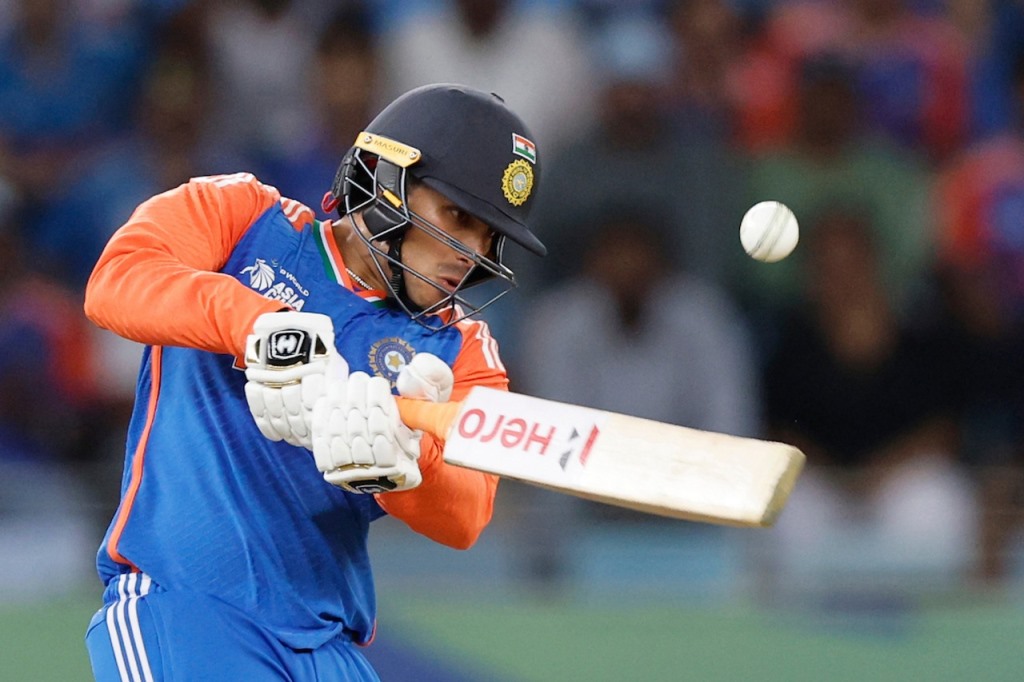
संजू सैमसन के बाद अब अभिषेक शर्मा के ड्रॉप होने की बारी आ गई है। क्रिकेट पंडितों की मानें तो अगली टी-20 सीरीज जो वेस्टइंडीज के खिलाफ होनी है उसमें अभिषेक शर्मा को ड्रॉप करके संजू सैमसन को शामिल किया जाए क्योंकि वैभव सूर्यवंशी बेहतरीन फॉर्म में है।

जिम्बाब्वे दौरे पर वैभव सूर्यवंशी अपने पसंदीदा मैदान हरारे स्पोर्ट्स क्लब में विस्फोटक पारियां खेलकर मैन ऑफ द सीरीज बन गए। लेकिन उनके साथी अभिषेक शर्मा संघर्ष करते हुए नजर आए और तीनों मैचों में ब्लेसिंग मुजरबानी के खिलाफ सस्ते में आउट हो गए।

इससे पहले इंग्लैंड के खिलाफ पहले 2 मैचों में अभिषेक ने जरूर 50 रन बनाए लेकिन अंतिम 3 मैचों में वह फिर सस्ते में आउट हो गए। इस कारण अभिषेक की 6 असफल पारियों के कारण उनको अब वेस्टइंडीज के खिलाफ होने वाली टी-20 सीरीज से आराम दिया जाएगा और संजू सैमसन जिन्हें जिम्बाब्वे दौरे पर आराम दिया गया था उन्हें टीम में लाया जाएगा।

वैभव सूर्यवंशी इतने बेहतरीन फॉर्म में है कि उनके कारण टी-20 विश्वकप की सलामी जोड़ने को तोड़ना पड़ा, वह भी दो बार। जिम्बाब्वे दौरे पर उनके साथी अभिषेक शर्मा थे और संभवत वेस्टइंडीज के खिलाफ सीरीज में उनके साथी अभिषेक शर्मा रहेंगे।

अभिेषेक शर्मा ने इंग्लैंड के खिलाफ तीसरे टी-20 में 7 गेंदों में 10 रन बनाए। चौथे टी-20 में 14 गेंदों में 16 रन बनाए। पांचवे टी-20 मैच में उन्होंने 5 गेंदों में सिर्फ 3 रन बनाए। उनका खराब फॉर्म जिम्बाब्वे में भी जारी रहा। पहले टी-20 में वह 8 गेंद खेलकर 1 रन बना पाए। वहीं दूसरे टी-20 में 8 गेंदों में 8 रन बना पाए। तीसरे टी-20 में भी वह 4 गेंद खेलकर सिर्फ 2 रन ही बना पाए। इस हिसाब से वह 6 टी-20 पारियों में सिर्फ 40 रन बना पाए हैं।

Mini Cooper Convertible Stardust Edition launched at Rs 62.90 lakh

Mini Cooper Convertible Stardust Edition

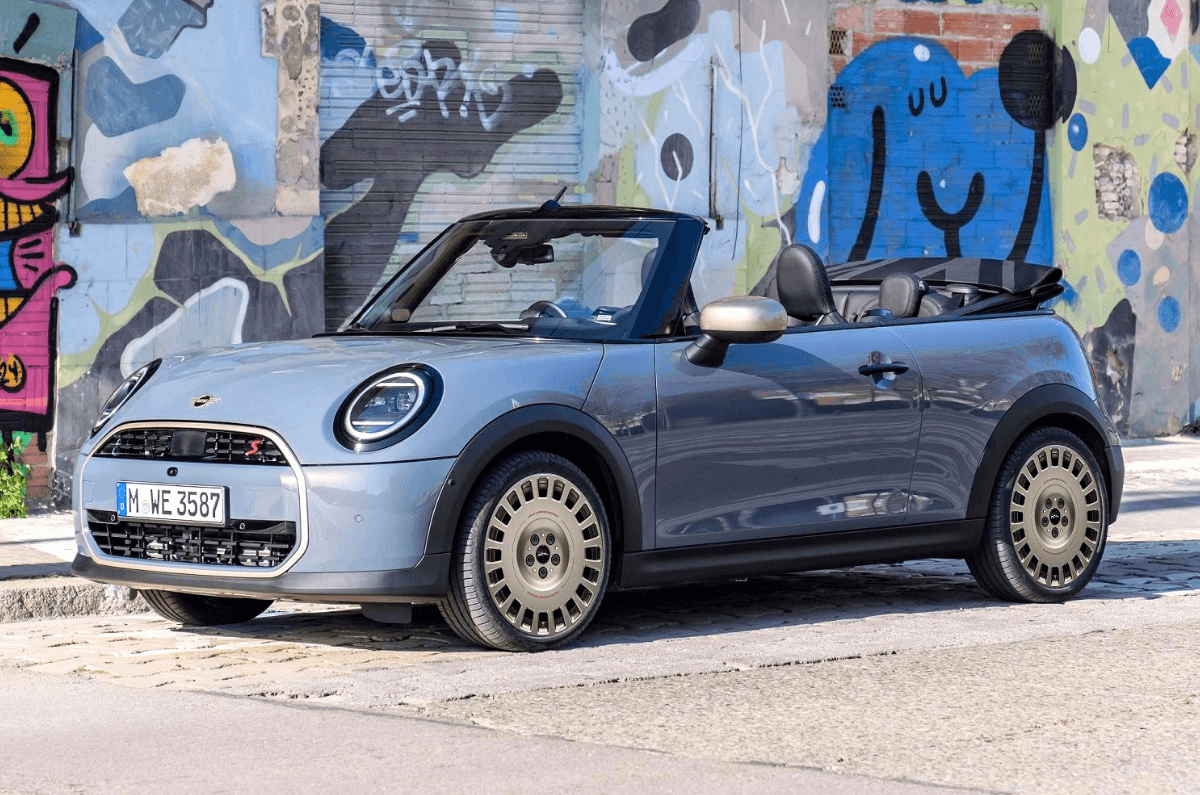
Mini has launched the Cooper Convertible Stardust Edition at Rs 62.90 lakh, ex-showroom, in India. This new edition of the convertible hatchback comes here as a completely built-up unit (CBU) and it can be booked exclusively via the Mini India website. Deliveries of the Mini Cooper Convertible Stardust Edition have commenced from today.

Commonwealth Games में भारतीय जिमानेस्टिक्स का निराशा भरा सफर हुआ समाप्त

commonwealth games

Commonwealth Games 2026 से भारत का आठ सदस्यीय कलात्मक जिम्नास्टिक दल खाली हाथ लौटा, जिसमें प्रोतिष्ठा सामंता सातवें स्थान पर रहीं।महिलाओं के वॉल्ट फाइनल में देश का सर्वश्रेष्ठ परिणाम दर्ज किया गया। अपने पहले राष्ट्रमंडल खेलों में प्रतिस्पर्धा कर रही सामंता ने 13.025 के स्कोर के साथ महिला वॉल्ट फाइनल के लिए सातवें स्थान पर क्वालीफाई किया और फाइनल में 12.883 के साथ सातवें स्थान पर रहीं। 22 वर्षीय भारतीय जिमनास्ट का प्रदर्शन ग्लासगो 2026 में खेल में भारत का एकमात्र शीर्ष आठ में स्थान था।

भारत की सबसे बड़ी पदक उम्मीद प्रणति नायक 12.575 के स्कोर के साथ महिला वॉल्ट फाइनल में चूक गईं।एक ओलंपियन, प्रणति नायक अपने चौथे राष्ट्रमंडल खेलों में भाग ले रही थी और वॉल्ट में तीन बार की एशियाई चैंपियनशिप की कांस्य पदक विजेता के रूप में ग्लासगो इंटरनेशनल एरेना में पहुंची।

महिलाओं की ऑल-अराउंड क्वालिफिकेशन में, सामंता ने कुल 42.250 अंक हासिल किए और 27वें स्थान पर रहीं, इशिता रेवाले 41.700 अंकों के साथ 28वें स्थान पर रहीं और निश्का अग्रवाल 38.550 अंकों के साथ 34वें स्थान पर रहीं। महिला टीम स्पर्धा में भारत 123.000 अंक अर्जित कर नौवें स्थान पर रहा। भारतीय पुरुष टीम भी टीम प्रतियोगिता में 208.550 अंकों के साथ सातवें स्थान पर रही।

व्यक्तिगत रूप से, तपन मोहंती 71.700 अंकों के साथ क्वालीफिकेशन में 17वें स्थान पर रहने के बाद पुरुषों के ऑल-अराउंड फ़ाइनल में आगे बढ़े। उन्होंने फाइनल में 70.100 का स्कोर किया और 15वें स्थान पर रहे।

योगेश्वर सिंह ने भी 18वें में 71.400 के साथ फाइनल के लिए क्वालीफाई किया, लेकिन रिजर्व के रूप में और उन्होंने मंगलवार को इवेंट शुरू नहीं किया, जबकि तपेश्वरनाथ दास 61.000 के साथ क्वालिफिकेशन में 27वें स्थान पर रहे।

कलात्मक जिम्नास्टिक 1990 से सभी राष्ट्रमंडल खेलों के संस्करणों का हिस्सा रहा है। भारत ने सीडब्ल्यूजी में खेल के इतिहास में तीन पदक जीते हैं, जिसमें आशीष कुमार ने नई दिल्ली 2010 में पुरुषों की वॉल्ट में रजत और फ्लोर एक्सरसाइज में कांस्य पदक जीता था, इसके बाद दीपा करमाकर ने ग्लासगो 2014 में महिलाओं की वॉल्ट में कांस्य पदक जीता था।