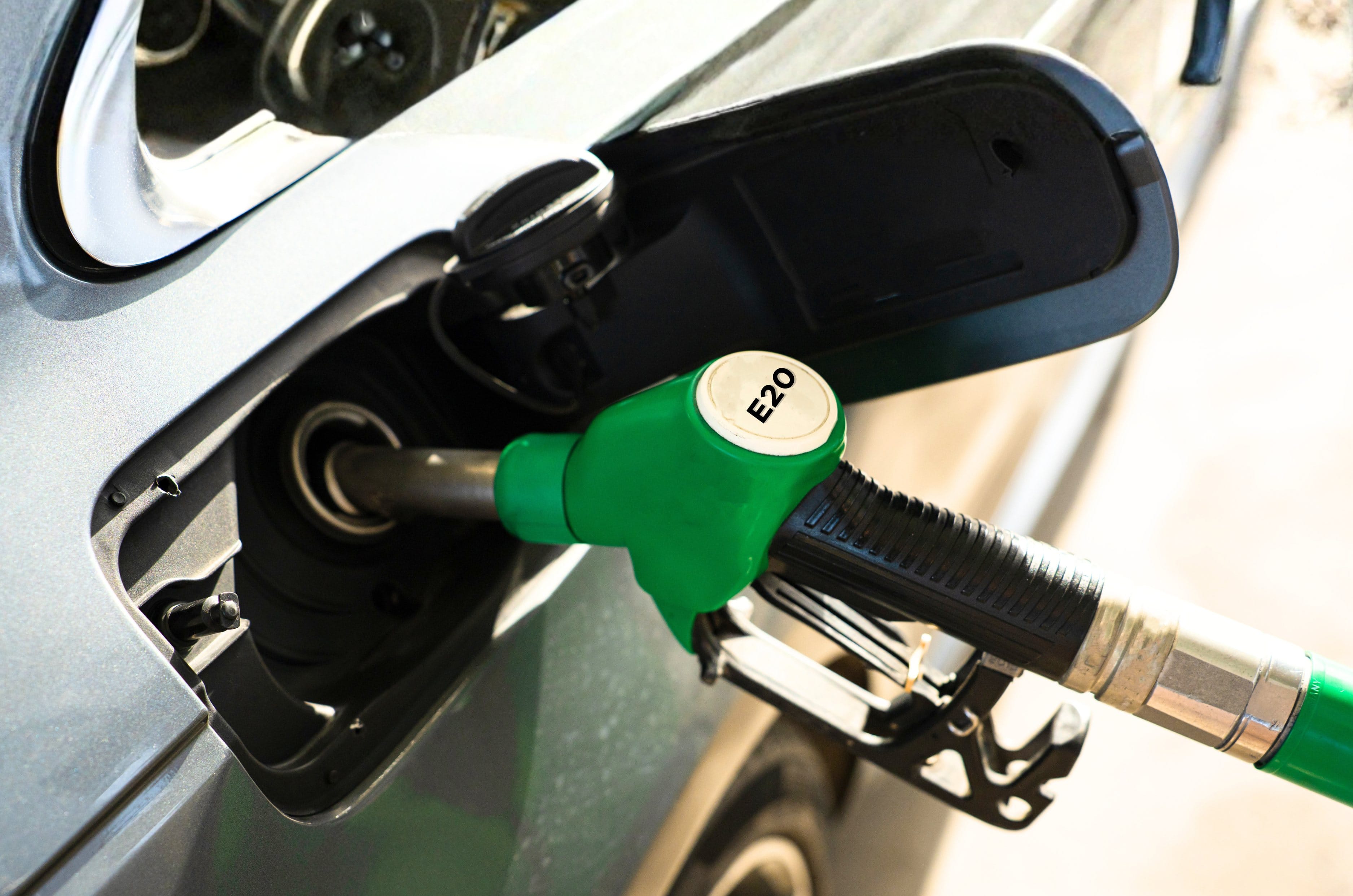
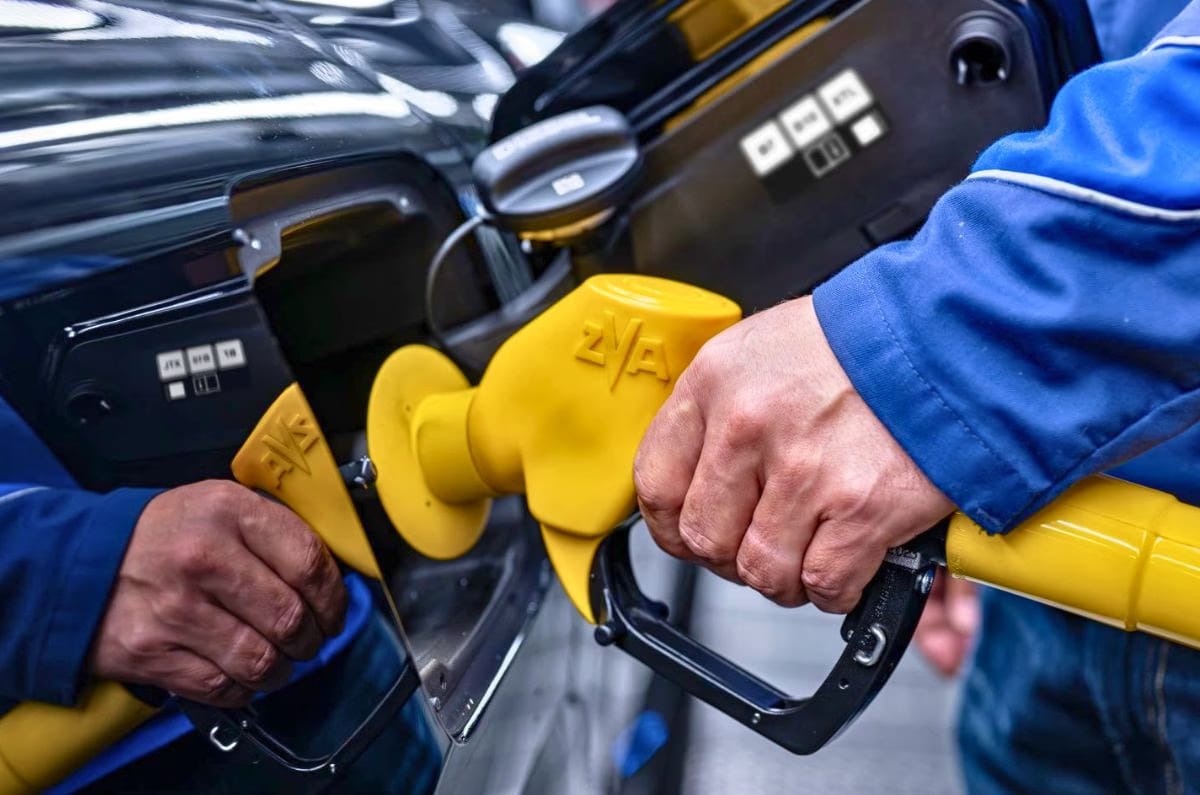
Amidst ongoing backlash and discontent surrounding E20 fuel, a resurfaced 2021 study conducted by ARAI highlights the impact of E20 on metals and non-metals used in fuel-system components. The study noted that while metals and metal coatings had no issue with E20, some plastic and rubber components did experience some deterioration over a prolonged period of time.
Citing the research study, a NITI Aayog report published in June 2026 stated, “Material compatibility tests revealed that the metals and metal coatings had no issue with E20. Elastomers (NBR/PVC blend and Epichlorohydrin) had inferior performance with E20 compared to neat gasoline. Plastic PA66 had a drop in tensile strength after use with E20. In the vehicle level studies, fuel economy decreased up to 6 percent (depending on the vehicle type) on an average basis.”
For the uninitiated, materials such as NBR/PVC blend, Epichlorohydrin and PA66 are used in fuel-system components such as gaskets, seals, O-rings, pipes and hoses.
The NITI Aayog report also noted, “The test vehicles passed startability and drivability tests at hot and cold conditions with E0 and E20 test fuels. In all the cases, there was no severe malfunction or stall observed at any stage of vehicle operation. No abnormal wear of engine components or deposits or deterioration of engine oils were observed after the on-road mileage accumulation trials.”
Earlier this year, Renault revived the Duster to mark its re-entry into the mid-size SUV space. Powering the SUV is a pair of turbo-petrol engines of either 1.0-litre or 1.3-litre in capacity. We’ve extensively tested and compared the real-world mileage figures of both turbo-petrol engines in manual transmission guise to determine how much of a gap there is in their efficiency.
Renault Duster 1.0 vs 1.3 MT: Specifications
Renault Duster 1.0 vs 1.3 MT: Specifications
Duster 1.0
Duster 1.3
Engine
3 cyls, turbo-petrol
4 cyls, turbo-petrol
Displacement (cc)
999
1333
Power (hp)
100
163
Torque (Nm)
166
280
Gearbox
6MT
6MT
Kerb weight (kg)
1316
1372
Fuel tank (litres)
50
50
The Duster’s 1.0-litre turbo-petrol engine is essentially the same unit that’s utilised in the Kiger. It develops an identical 100hp, but torque is slightly bumped to 166Nm (from 160Nm). This engine is the least powerful turbo-petrol unit in the segment. In contrast, the 163hp, 280Nm 1.3-litre turbo-petrol engine is the most powerful in the segment. A 6-speed manual gearbox is standard on both engines, while a 6-speed DCT is offered on the 1.3-litre mill as well. The smaller 1.0-litre engine translates into a 56kg lighter kerb weight. Both versions get an identical 50-litre fuel tank.
Renault Duster 1.0 vs 1.3 MT: Real-world fuel efficiency
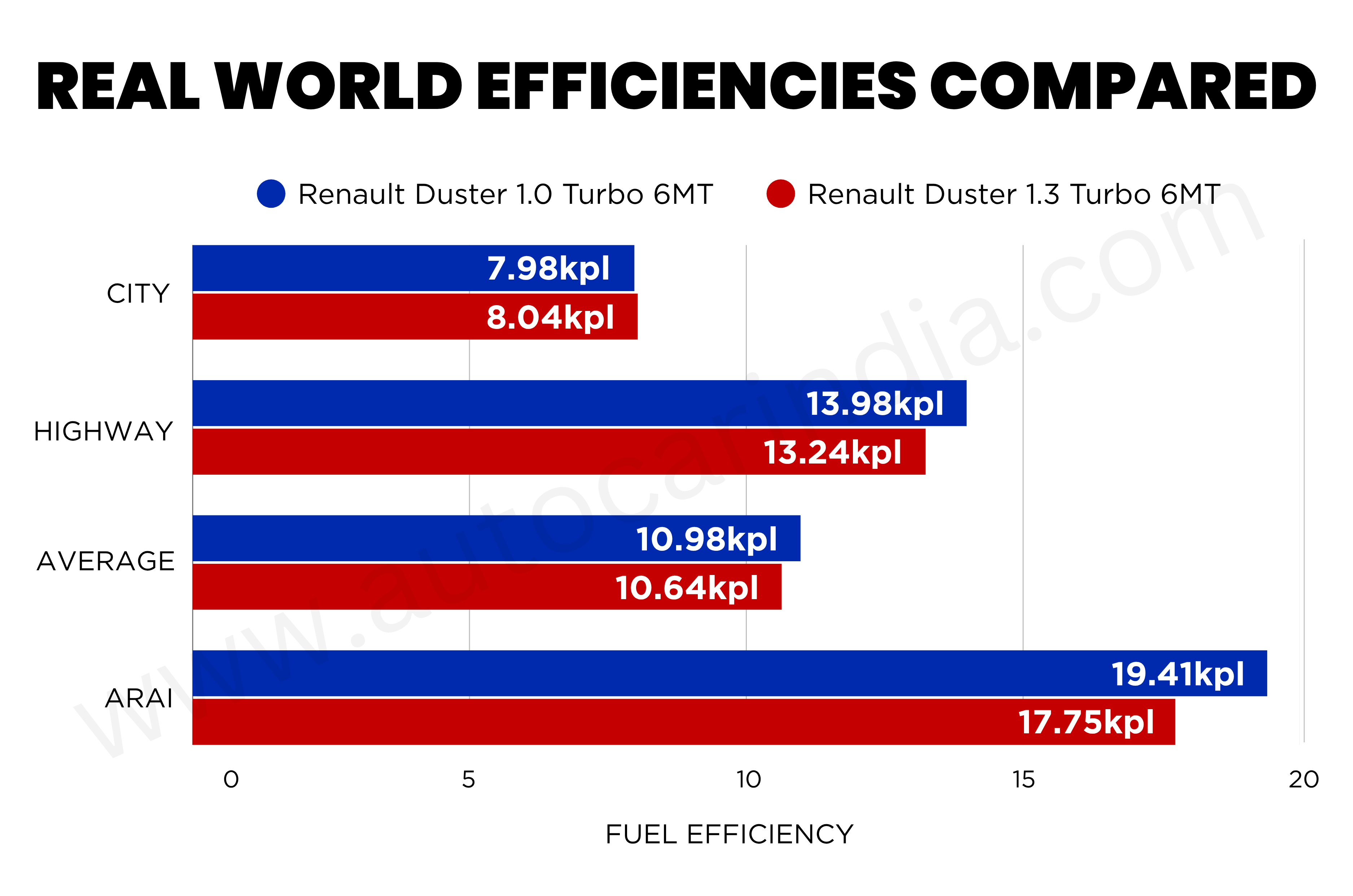
In the city, it was the 1.3-litre mill that was more frugal by a mere 0.48kpl. This is because of its ability to shift less frequently, due to its taller gearing. Both engines come with an Eco driving mode along with an auto start/stop function. But during the 1.0-litre units testing, high temperatures forced the AC to work harder, and auto start/stop only worked briefly, affecting city fuel efficiency. On the highway, however, the 1.0-litre unit was more efficient by 0.74kpl. Overall, the Duster 1.0’s average fuel efficiency was slightly higher at 10.98kpl in comparison to the 1.3’s 10.64kpl. The 0.34kpl gap in real-world average figures is much less in contrast to the 1.66kpl difference considering their respective ARAI-claimed figures
Renault Duster 1.0 vs 1.3 MT: Price
Renault Duster 1.0 vs 1.3 MT: Prices
Duster 1.0
Duster 1,3
Price (Rs lakh)
10.49 – 13.49
12.99 – 16.99
The Duster with the 1.0-litre engine has a more affordable price range as it’s offered from the base to the mid-level trims. Meanwhile, the 1.3-litre’s availability from the one above the base trim and exclusively on the top-end trim makes it comparatively pricier. Going for the 1.3 over the 1.0 within the same trim will set you back by up to Rs 1.3 lakh.
Autocar India’s fuel-efficiency testing
Before our real-world fuel-efficiency tests, we fill our test cars’ tanks to the brim and maintain tyre pressures based on the manufacturer’s recommendations. These cars are driven in fixed city and highway loops in and around Navi Mumbai, and we maintain certain average speeds. Throughout the tests, there is only one person in each car, operating the air conditioner and other electricals, such as the audio system, indicators and wipers, when required, just like a regular user would. Periodic driver swaps further neutralise variations in driver patterns. At the end of each cycle, we calculate efficiency by filling the tanks to full again.
India’s mandatory rollout of E20 petrol has come under renewed scrutiny after a series of public complaints, political criticism and viral social media posts incited fresh debate over the ethanol blending programme. Meanwhile, manufacturers such as Toyota, Maruti Suzuki and Hero Motocorp have publicly defended the E20 policy.
The controversy heightened early last week after reports emerged of Attorney General for India, R Venkataramani, describing the country’s ethanol blending programme as an “experiment” during a court hearing, saying its results would only be known next year. Though the government later denied that the remark referred to the E20 policy and Venkataramani clarified that he was speaking about ethanol supply volumes rather than the fuel itself, the comments have intensified an already growing backlash.
Auto manufacturers express support for India’s ethanol blending programme
No E20-related issues recorded in non-compliant vehicles so far, claim manufacturers
At a government briefing held on July 4, several automotive manufacturers and industry representatives mounted a coordinated defence of the ethanol blending programme. Maruti Suzuki’s Senior Executive Officer for Corporate Affairs, Rahul Bharti, acknowledged the key concern of E20’s impact on E10-compliant and older vehicles.
“India mandated E20 from 2023 for material compliance, and before that it was E10. Obviously, after 2023 both the cars and the fuel are mandated for E20,” he said. For perspective, E20 compliance was mandated as part of Bharat Stage 6 Phase 2 regulations, which went into effect from April 2023 onwards.
However, Bharti claimed that Maruti Suzuki had tested older E10-compatible vehicles on E20 and found no significant concerns related to wear, corrosion, or component durability. “As a manufacturer we have tested E10 cars, which were prevalent before 2023, on E20 fuel for all parameters, and we have not found anything of concern,” stated Bharti.
Hero MotoCorp Chief Business Officer Ashutosh Verma concurred with Bharti’s statement, confirming that analysis of crores of service records had not found a higher incidence of vehicle damage in vehicles running on E20 compared with earlier fuel blends. Vikram Gulati, Country Head and Executive Vice President of Toyota Kirloskar Motor, added that the auto industry features highly stringent regulations, and that vehicles and fuels are put through extensive testing, certification, and homologation before reaching customers.
Gulati also said that ethanol is a cleaner, high-performance fuel that helps cut vehicle emissions and reduces India’s dependence on crude oil imports. Former Engineers India chairman and managing director Vartika Shukla echoed Gulati, stating that the transition to E20 was carried out via a phased, scientifically driven process involving auto manufacturers and testing agencies. She noted that ethanol blending had increased from around 1.5 percent in 2013-14 to 20 percent by December 2025, achieving the government’s target five years ahead of schedule.
Petroleum minister Hardeep Singh Puri remarked at a separate briefing on July 2: “They use it [ethanol] in racing cars also, the acceleration increases. Mileage, yes, it may drop a little.” Puri’s comments are not germane to public concerns at all, as race cars use ethanol solely for performance, and the mileage drop is the central pain point for the overwhelming majority of vehicle owners. Race car engines are also designed to take full advantage of ethanol and are frequently rebuilt, with the latter residing completely outside the realm of reason for the average motorist.
Toyota attributes Innova Hycross issue to fuel contamination
The Hycross in question belonged to Manoj Kashyap, a Bihar-based content creator
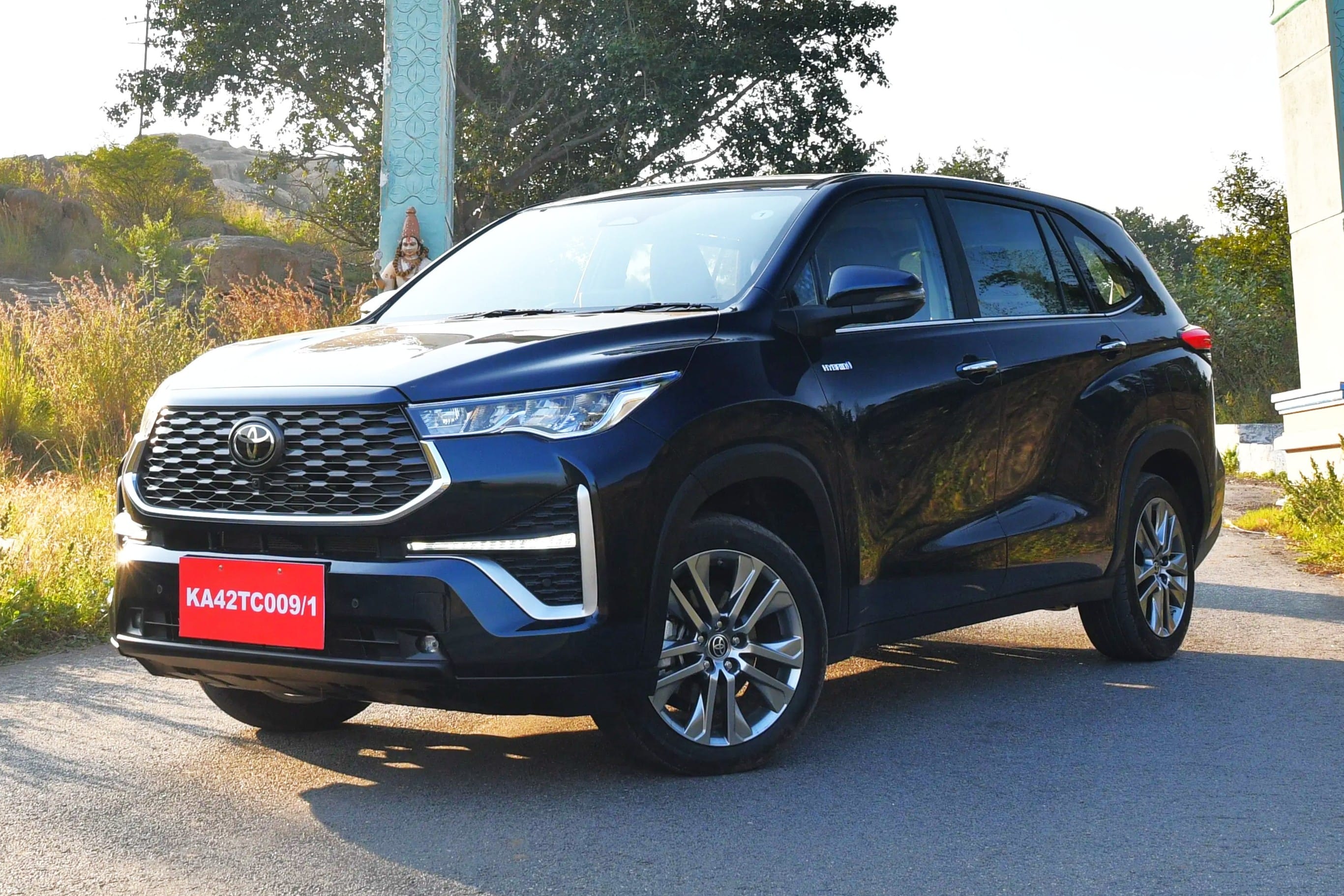
Motorists across India have emerged in droves online to voice concerns over reduced fuel efficiency, vehicle performance, and the long-term complications of using E20 petrol. A recent video posted by Bihar-based content creator Manish Kashyap gained immense traction on social media, showing his Toyota Innova Hycross hybrid at a service centre after it reportedly developed engine vibration and knocking issues at around 12,000km.
Kashyap blamed the issue on E20 petrol, criticised Union Road Transport Minister Nitin Gadkari (a major proponent of the ethanol-blending programme), and argued that consumers should have the option of purchasing unblended petrol. Responding to Kashyap’s viral claims, Toyota said it conducted an investigation on the damaged Innova Hycross and found no link between the car’s fault and E20 petrol, and that the culprit was actually contaminated fuel.
Toyota Innova Hycross hybrid. Image used for representation only.
“Based on our detailed technical assessment of the vehicle, the issue was due to fuel contamination,” Toyota noted in its statement. The Japanese carmaker said its technicians drained and cleaned the fuel tank and lines before refilling the vehicle with standard E20 petrol. Following the procedure, the Innova Hycross was found to be operating normally and was returned to Kashyap.
“The incident is not related to E20 fuel usage and was solely caused by non-standard and contaminated fuel,” Toyota added, advising customers to refuel only at authorised and reputed fuel stations. Contaminated fuel is a legitimate issue across the country and is compounded further by the introduction of E20, as fuel-related damage in vehicles becomes more difficult to pin down – ethanol is hygroscopic in nature, which means it can draw moisture from air and rot plastic and rubber components in the fuel system, especially in non-compliant vehicles.
Opposition voices disapproval of E20 policy implementation
Hundreds showed up to an anti-E20 protest in Delhi
Despite the industry’s defence, criticism surrounding the ethanol blending policy continues to grow in the political arena. Opposition leader Priyank Kharge argued that the rollout lacked adequate consultation and that the government could not dismiss consumer concerns while its own assessment remained pending. Political analyst Tehseen Poonawalla staged a protest against the mandatory E20 rollout at Jantar Mantar in New Delhi on July 5, which was attended by hundreds of aggrieved motorists.
The government, meanwhile, has continued to back E20, saying the fuel reduces carbon emissions, cuts crude oil imports, saves foreign exchange and supports farmers by increasing demand for ethanol feedstocks. In fact, the government has signaled an impending increase in baseline ethanol blending beyond E20, with standards notified for E22, E25, E27, and E30. ARAI has also been tasked with carrying out a study on the impact of E25 on existing E20- and E10-compliant vehicles.
Isobutanol-diesel blending under serious consideration
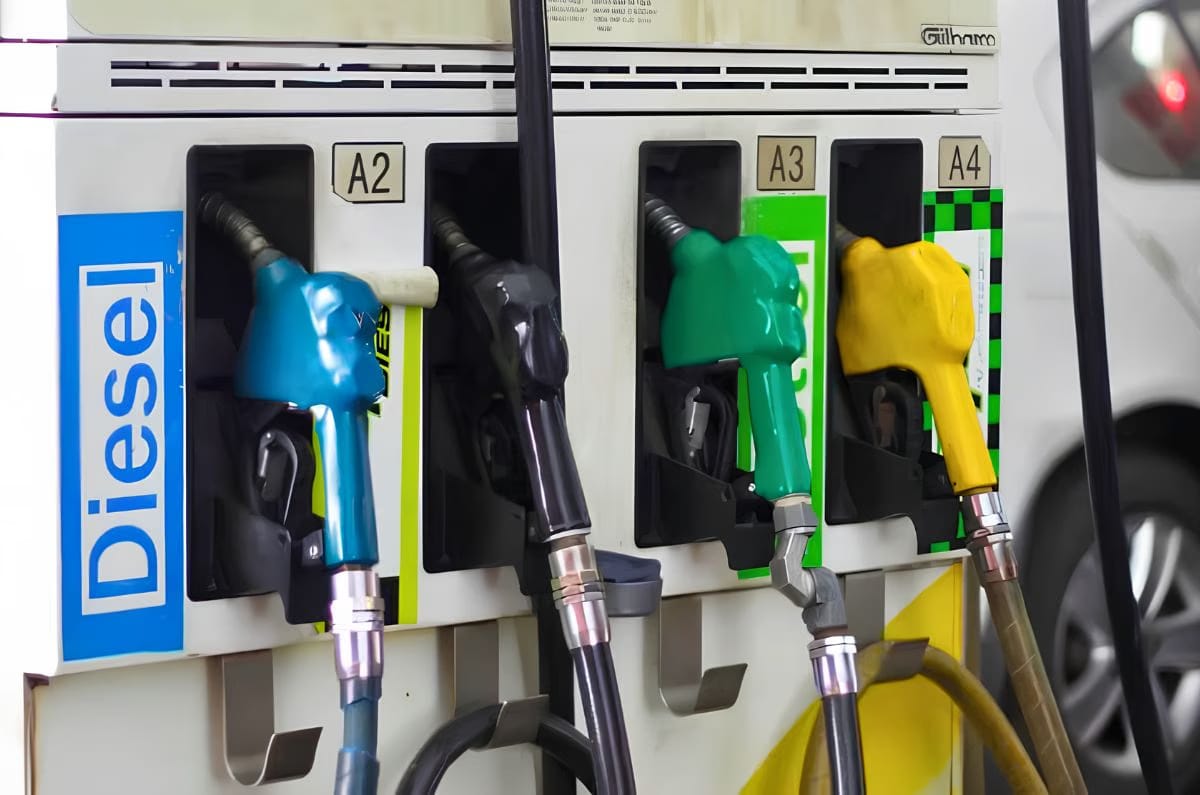
Diesel isn’t safe either, as plans to move forward with isobutanol blending in diesel this year are under consideration – isobutanol is an ethanol-derived compound, but is more energy-dense, less corrosive, and has a lower tendency to absorb water (hygroscopicity). This is despite the fact that none of the diesel cars currently sold in India are compliant with isobutanol-blended fuel.
E20 Petrol : पेट्रोलियम और प्राकृतिक गैस मंत्रालय (MoPNG) ने उन खबरों को पूरी तरह गलत बताया है, जिनमें दावा किया गया था कि भूटान ने भारत से E20 पेट्रोल खरीदने से इनकार कर दिया है। मंत्रालय ने साफ किया कि भारत की तेल मार्केटिंग कंपनियों (OMCs) ने भूटान को E20 पेट्रोल निर्यात करने का कोई प्रस्ताव दिया ही नहीं था। समाचार एजेंसी ANI के अनुसार, मंत्रालय ने कहा कि फिलहाल भूटान को E20 पेट्रोल भेजने की कोई योजना भी नहीं है। मंत्रालय ने सोशल मीडिया पर जारी बयान में लोगों से अपील की कि इस तरह की अफवाहों पर भरोसा न करें और केवल पेट्रोलियम मंत्रालय तथा तेल विपणन कंपनियों की आधिकारिक जानकारी पर ही विश्वास करें।
कांग्रेस ने लगाया था ये आरोप
यह सफाई ऐसे समय में आई है, जब एक दिन पहले कांग्रेस ने आरोप लगाया था कि भूटान, नेपाल, बांग्लादेश और श्रीलंका ने भारत का E20 ईंधन लेने से इनकार कर दिया है। वहीं, सूचना और प्रसारण मंत्रालय (MIB) ने भी E20 ईंधन को लेकर उठ रहे सवालों का जवाब दिया। मंत्रालय ने कहा कि E20 पेट्रोल को बाजार में लाने से पहले देश के प्रमुख तकनीकी संस्थानों में इसकी प्रयोगशाला, वाहनों और वास्तविक परिस्थितियों में व्यापक जांच की गई थी। इन सभी परीक्षणों में यह ईंधन भरोसेमंद और बेहतर प्रदर्शन करने वाला पाया गया।
इंजन और वारंटी को लेकर भी आया ये जवाब
सरकार ने साफ किया है कि वाहन बनाने वाली कंपनियां अपने मॉडल तय एथेनॉल मिश्रण मानकों के अनुसार तैयार कर रही हैं। सूचना और प्रसारण मंत्रालय (MIB) के मुताबिक, अगर वाहन में स्वीकृत E20 पेट्रोल का इस्तेमाल किया जाता है, तो सिर्फ इसी वजह से गाड़ी की कंपनी की वारंटी खत्म नहीं होती। मंत्रालय ने यह भी कहा कि इथेनॉल मिश्रित ईंधन वैज्ञानिक आधार पर तैयार किया गया है और दुनिया के कई देशों में इसका सफलतापूर्वक इस्तेमाल हो रहा है। भारत भी अपने इथेनॉल मिश्रित पेट्रोल कार्यक्रम के तहत इसी मानक को अपना रहा है। मंत्रालय ने जोर देकर कहा कि E20 एक तय क्वालिटी वाला मानक ईंधन है, इसे पेट्रोल में मिलावट नहीं माना जा सकता।
सूचना और प्रसारण मंत्रालय (MIB) ने बताया कि ARAI, इंडियन ऑयल रिसर्च एंड डेवलपमेंट (R&D) और इंडियन इंस्टीट्यूट ऑफ पेट्रोलियम (IIP) द्वारा किए गए विस्तृत परीक्षणों में पुराने वाहनों पर E20 पेट्रोल के इस्तेमाल से इंजन की मजबूती या प्रदर्शन पर कोई बड़ी समस्या सामने नहीं आई। मंत्रालय ने यह भी कहा कि 1 अप्रैल 2025 से पूरे देश में E20 पेट्रोल लागू होने के बाद से लाखों वाहन इस ईंधन पर चल रहे हैं। अब तक ऐसा कोई प्रमाण नहीं मिला है कि E20 पेट्रोल की वजह से किसी वाहन का इंजन खराब हुआ हो।