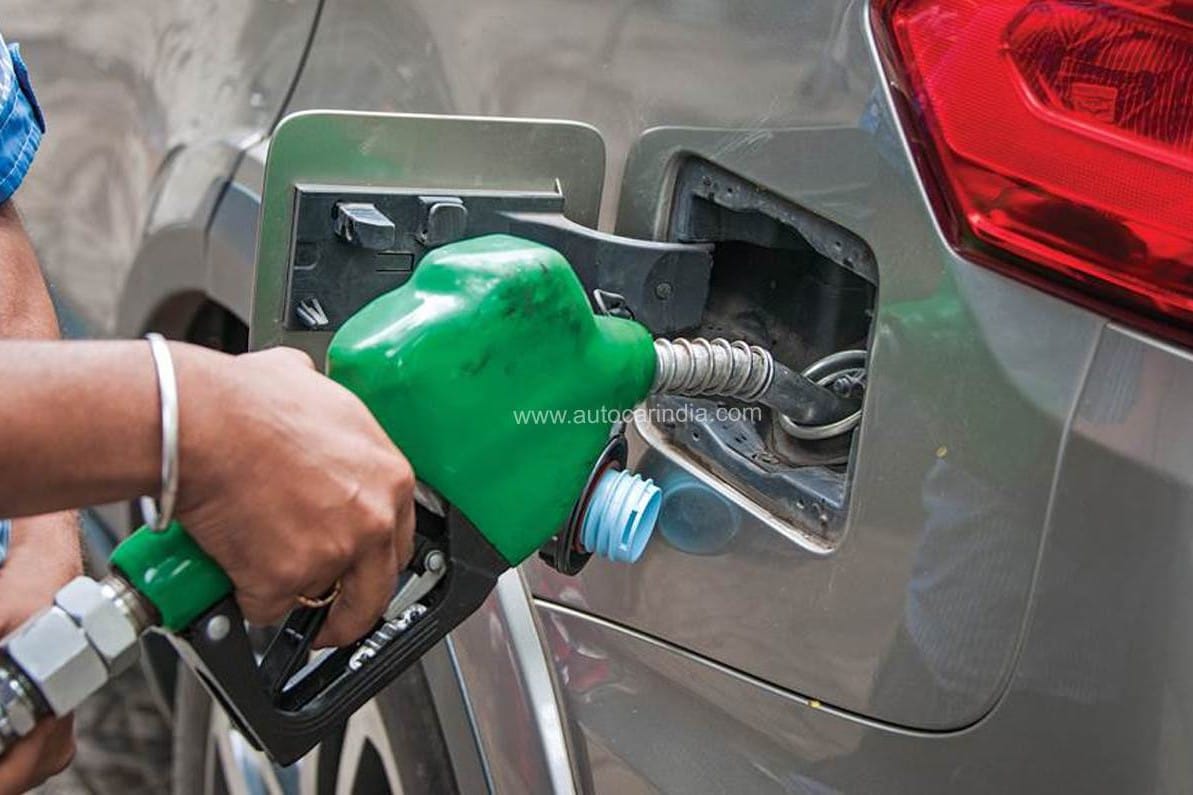
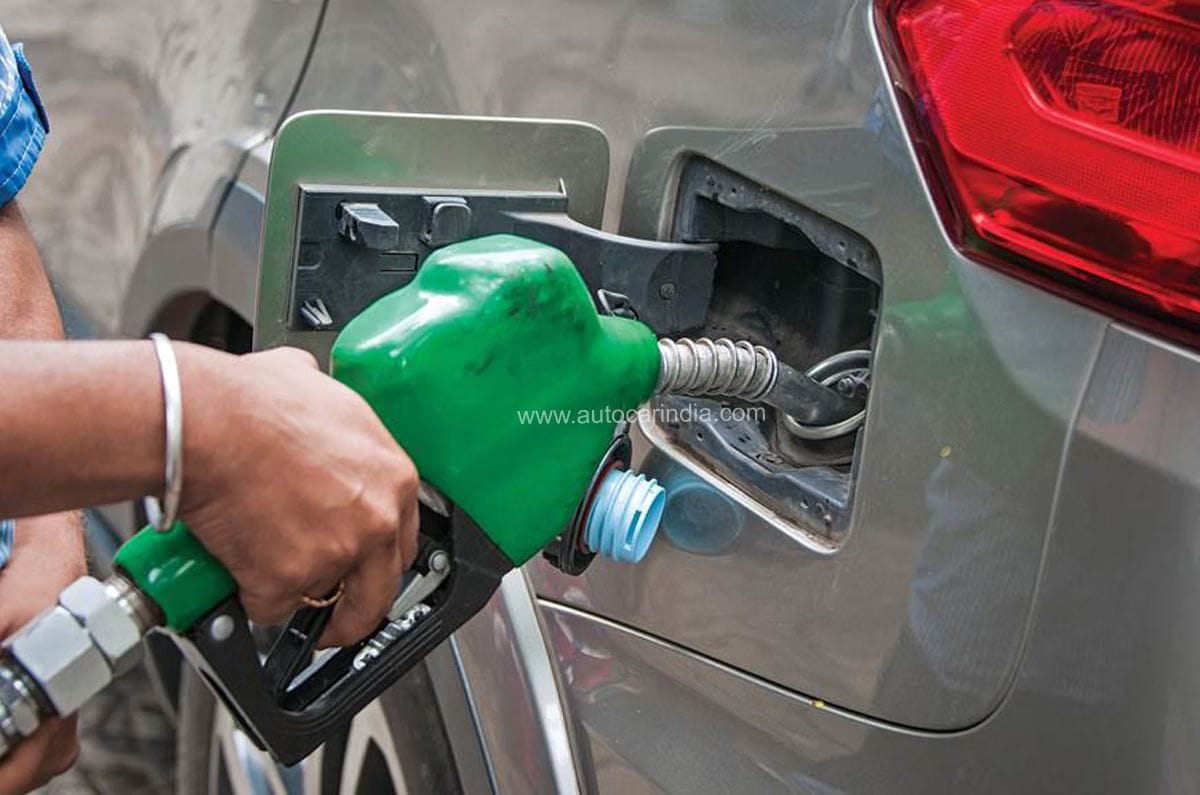
The central government has asked state chief secretaries to ensure strict action against fuel adulteration and any lapses in the ethanol-blended petrol supply chain. This directive comes as concerns surrounding the quality and compatibility of E20 petrol recently flared up among swathes of motorists.
Centre calls for ‘iron hand’ consequences against fuel adulteration
In a recently-issued Q&A note addressing concerns about the use of E20, the Ministry of Petroleum and Natural Gas said that any procedural lapse in the handling of fuel must be dealt with firmly. It called for “an iron hand against any instance of adulteration” and said there should be zero tolerance for practices that compromise fuel quality.
However, the ministry did not mention whether adulteration had been detected across the E20 supply chain. The release also did not provide details of specific cases, inspections, or penalties imposed by states.
The primary reason behind the crackdown is to distinguish between concerns related to the approved E20 specification, and problems that could arise from adulteration or failures in handling and quality-control procedures. According to the ministry, a lapse at any stage of the supply chain should not be treated as evidence that the prescribed E20 fuel standard is unsafe.
Many motorists have raised concerns about E20, particularly pertaining to mileage drops, reduced performance, and possible damage to fuel system components. Some online reports even linked vehicle breakdowns to E20, when in reality, the culprit was found to be adulterated fuel.
The Central government has ruled out offering pure petrol, E10 and E20 simultaneously across India, saying maintaining multiple petrol grades would increase costs and create significant logistical challenges. In a question-and-answer note issued on July 10, the Ministry of Petroleum and Natural Gas reiterated that E20 will continue as the country’s standard petrol blend.
Government cites investments made in ethanol production infrastructure
Separate fuel grades would require parallel storage and distribution
E20 to remain the standard petrol blend across India
Government cites distribution challenges
The ministry said India’s fuel distribution network comprises more than one lakh retail outlets, supported by refineries, terminals, depots, pipelines and storage facilities. Maintaining three different petrol grades across this network would require separate storage, inventory management and distribution infrastructure, increasing handling costs and reducing operational efficiency.
The government also rejected comparisons with premium petrol, saying it is a niche product sold in relatively small volumes and does not require a separate nationwide fuel supply chain.
Investments in ethanol infrastructure
The ministry said substantial investments have been made in ethanol production, including distilleries, storage facilities and logistics infrastructure, to support India’s ethanol blending programme. It added that reverting to E10 as the standard petrol blend could leave ethanol production capacity underutilized and affect investments made by farmers, cooperatives, companies and financial institutions.
According to the ministry, India achieved an average 20 percent ethanol blending between November 2025 and June 2026, compared with 19.2 percent during the previous ethanol supply year.
What it means for older vehicles
The question of offering multiple petrol grades has been raised by owners of older vehicles originally certified to run on E10 petrol. The ministry said vehicle manufacturers, component suppliers, testing agencies and research institutions were consulted before the introduction of E20, covering areas such as material compatibility, engine calibration, fuel systems, durability, emissions and fuel economy.
To support its position, the ministry cited field data from Maruti Suzuki and Hero MotoCorp. It said Maruti Suzuki serviced 2.84 crore vehicles during FY2025-26, including 1.5 crore older vehicles that were not originally certified for E20, and reported no E20-related corrosion, abnormal wear or component-life damage. Hero MotoCorp also reported similar field experience.
The ministry acknowledged that some vehicles may record a 3-5 percent reduction in fuel economy when running on E20. However, it said this should be weighed against the fuel’s higher octane rating, as well as the benefits of lower crude oil imports and reduced emissions.
These are claims made by the Petroleum Ministry in support of the E20 programme. The release does not provide an independent comparison of the additional cost of maintaining multiple fuel grades against the benefit of allowing consumers to select fuel based on their vehicle’s original certification.
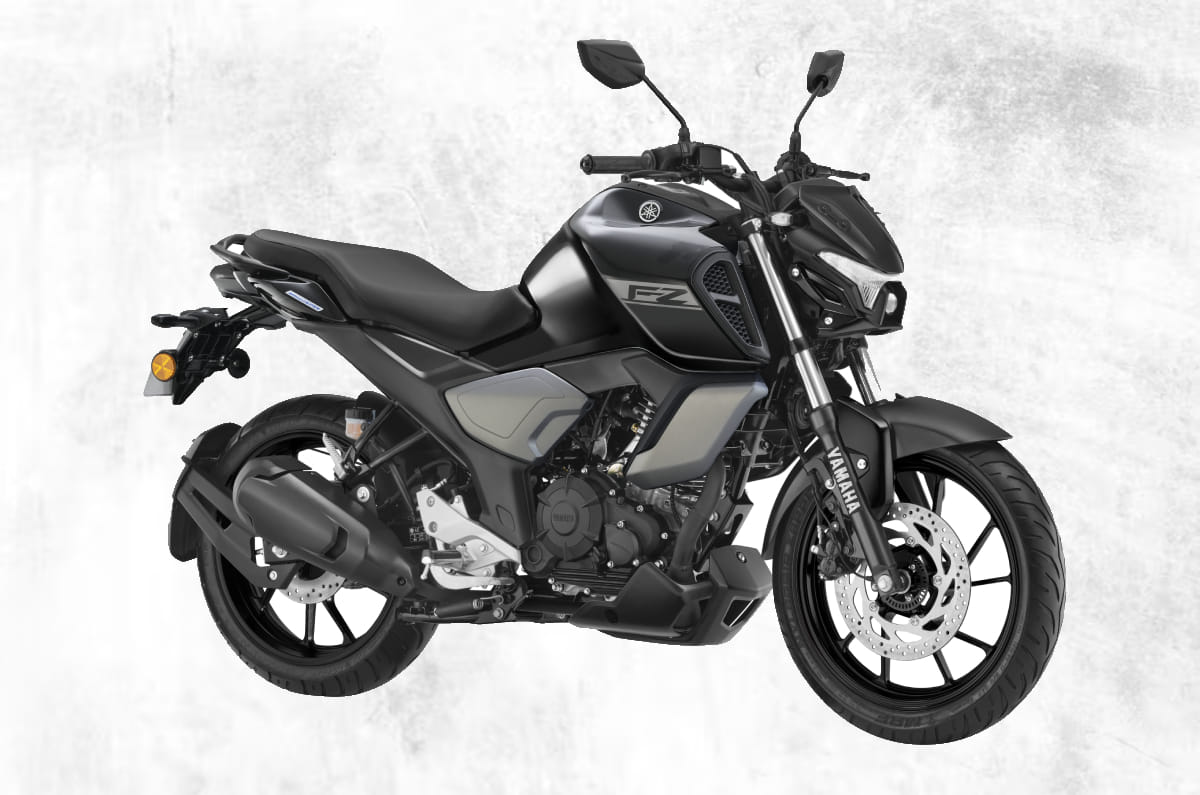
Yamaha has launched the FZ Blue Flex– a flex-fuel-compatible version of the FZ that can run on ethanol blends ranging from E20 to E85. The launch makes Yamaha the latest manufacturer to enter the flex-fuel space, following Suzuki with the Gixxer SF 250 FFV and Hero with the Splendor and HF Deluxe.
First Yamaha model to be offered in a flex-fuel variant
Uses the same engine as the rest of the FZ range, but with lower peak output figures
Available through Yamaha Blue Square dealerships
Yamaha FZ Blue Flex details
Peak output drops compared to the standard FZ; ground clearance is also lower
The FZ Blue Flex is powered by the same 149cc air-cooled, fuel-injected single-cylinder engine that underpins the rest of the FZ range, but with modifications that allow it to run on higher ethanol blends. Peak output is rated at 11.7hp at 7,250rpm and 12.8Nm at 6,000rpm– a drop of 0.7hp and 0.5Nm compared to the standard FZ. This is a common trade-off with flex-fuel engines due to ethanol’s lower energy density.
The FZ has never been the most powerful motorcycle in the 150cc segment, and the Blue Flex’s lower output brings it close to the performance levels of some premium sporty 125cc commuters.
The FZ Blue Flex shares its LED headlamp with the FZ Rave launched late last year, along with the same fuel tank, faux air vents and single-piece seat. The 5-speed gearbox, telescopic front fork, rear monoshock and single-channel ABS have also been carried over. One notable change, however, is the reduced ground clearance, which drops to 135mm from the 165mm offered by the other FZ variants. Kerb weight stands at 139kg, making it 3kg heavier than the FZ Rave.
The FZ Blue Flex is available in a single Metallic Black colour option and will initially be sold through Yamaha’s Blue Square premium dealerships in Delhi, Uttar Pradesh, Maharashtra, Karnataka, Telangana and Tamil Nadu. Priced at Rs 1.24 lakh (ex-showroom), it sits roughly in the middle of the nine-model FZ lineup.
We recently conducted a comprehensive real-world mileage comparison between E85 and E20 using the Suzuki Gixxer SF 250 FFV. If you’re curious about what switching to flex fuel means for fuel efficiency and running costs, it’s well worth a read.
India’s Union Minister for Petroleum and Natural Gas, Hardeep Singh Puri, during a recent media interaction, said that a public rollout of E25 petrol is still some time away. The minister stated that E25 (25 percent ethanol blended petrol) is still undergoing tests at the moment and “any suggestions that we are bringing E25 now is misrepresentation.”
Government on E25 and other ethanol blends
Speaking about E25 petrol, Puri said that the fuel is not ready for the market yet as Centre is still “conducting tests, which will take time.” The Union Minister went on to say that any progress on the matter will be based on the results from these tests, which will be followed by an evaluation phase. Once that is done, “we will then talk to the stakeholders and automobile manufacturers,” said Puri. However, the minister did not specify any timeline for this process.
Puri also spoke about the recently introduced E85 petrol. The minister stated that it will take a bit of time for E85 to be made publically available in more parts of the country, as new petrol pumps will have to be commissioned first. Touching upon the ongoing discussions surrounding E20 petrol, Puri said, “There is no controversy. There are 20 crore two-wheelers and 20 lakh four-wheelers on the road that are using E20. There are the automobile manufacturers and vehicle service centres, all have said that there are no difficulties.”
Mercedes-Benz India says suspected fuel adulteration is adding to customer concerns around E20 petrol, with some fuel quality issues being mistaken for problems caused by ethanol blending. The luxury carmaker said it has seen a rise in customer queries around E20 fuel. “We’ve seen a lot of anxiety, with a lot of customers asking us and our dealerships,” Mercedes-Benz India managing director and CEO Santosh Iyer said.
Mercedes-Benz says customer queries around E20 fuel have increased
Dealer network equipped with FAQs to address customer concerns
Latest S-Class hybrid already compatible with E25 fuel
Mercedes-Benz clarifies concerns around E20 fuel
Speaking during the company’s half-yearly sales call, Iyer said the company has equipped its dealer network with FAQs to help address customer concerns around E20 fuel.
He added that Mercedes-Benz’s latest models are already compatible with higher ethanol blends and said the company is not concerned about E20 compliance. “We were one of the first to get materially compliant E20 cars, as well as emission-compliant E20 cars. The new S-Class hybrid is already an E25-compliant car,” he said.
Mercedes urges stricter checks on fuel quality
Iyer said some cases of poor-quality fuel are being mistaken for issues related to E20 petrol, making it difficult to distinguish fuel adulteration from genuine ethanol-related concerns. “We have seen increased fuel adulteration happening under the garb of E20, which is also causing concern because we have some customers who may not have filled the right quality of fuel, and then explaining it to them may be challenging,” he said.
He said stronger enforcement at fuel stations would help distinguish genuine fuel-quality issues from concerns related to E20, reducing confusion among customers. “So this is something for the enforcement agencies and regulators to check because under this E20, even we can see a bit of proliferation of fuel adulteration, which is causing anxiety and concern among customers,” he said.
E25 Petrol: E25 पेट्रोल यानी 75% पेट्रोल और 25% एथेनॉल के मिश्रण को लागू करने की दिशा में सरकार धीरे-धीरे आगे बढ़ रही है। हालांकि, अंतिम फैसला लेने से पहले सरकार ऑटो कंपनियों, ऑयल कंपनियों और दूसरे संबंधित पक्षों से सलाह ले रही है। सूत्रों के मुताबिक, सरकार जल्दबाजी में कोई फैसला नहीं लेना चाहती।
पहले E20 का असर समझना चाहती है सरकार
सरकार फिलहाल यह जांच रही है कि E20 पेट्रोल का गाड़ियों के इंजन, दूसरे पुर्जों और माइलेज पर क्या असर पड़ा है। इन सभी पहलुओं की समीक्षा के बाद ही E25 को मंजूरी देने पर फैसला लिया जाएगा।
एक सरकारी अधिकारी ने कहा कि सरकार इस दिशा में ‘सोच-समझकर’ आगे बढ़ना चाहती है। इंडस्ट्री से भी इसी तरह की राय मिली है।
ऑयल कंपनियां तैयार, मंजूरी का इंतजार
सरकारी ऑयल रिफाइनिंग कंपनियां E25 पेट्रोल की सप्लाई के लिए जरूरी इंफ्रास्ट्रक्चर तैयार कर चुकी हैं। अब उन्हें सिर्फ सरकार की मंजूरी का इंतजार है।
एक सरकारी रिफाइनरी के अधिकारी ने बताया कि मंजूरी मिलते ही E25 की सप्लाई शुरू की जा सकती है। हालांकि, सरकार की अनुमति के बिना इसे बाजार में नहीं उतारा जाएगा।
E20 का लक्ष्य समय से पहले पूरा
भारत ने एथेनॉल ब्लेंडेड पेट्रोल (EBP) प्रोग्राम के तहत पूरे देश में E20 पेट्रोल उपलब्ध कराने का लक्ष्य तय समय से 5 साल पहले हासिल कर लिया है। पहले यह लक्ष्य 2030 तक पूरा होना था।
सरकार ने पहले ही शुरू कर दी तैयारी
सरकार ने E20 से आगे बढ़ने की तैयारी भी शुरू कर दी है। मई में E22, E25, E27 और E30 पेट्रोल के लिए नए भारतीय मानक (Indian Standards) जारी किए गए थे।
इसके बाद जून में सरकार ने इन नए एथेनॉल ब्लेंडेड फ्यूल्स पर केंद्रीय उत्पाद शुल्क (Excise Duty) में छूट भी दे दी। माना जा रहा है कि ये कदम भविष्य में E25 लागू करने की तैयारी का हिस्सा हैं। हालांकि, सरकार ने अभी तक E25 की लॉन्चिंग की कोई तारीख घोषित नहीं की है।
E20 को लेकर क्यों उठे सवाल?
हाल के दिनों में E20 पेट्रोल को लेकर बहस तेज हुई है। पिछले हफ्ते एक अदालत की सुनवाई के दौरान अटॉर्नी जनरल आर. वेंकटरमणी ने कथित तौर पर E20 को ‘एक्सपेरिमेंट’ बताया था। उनका कहना था कि इसका पूरा असर अगले एक साल में साफ हो पाएगा।
वहीं, केंद्रीय पेट्रोलियम एवं प्राकृतिक गैस मंत्री हरदीप सिंह पुरी ने E20 को लेकर फैल रही अफवाहों को खारिज किया। उन्होंने कहा कि E20 से इंजन खराब होने या कीड़े लगने जैसी बातें वैज्ञानिक तथ्यों पर आधारित नहीं हैं। लोगों को अफवाहों के बजाय वैज्ञानिक प्रमाणों पर भरोसा करना चाहिए।
E25 के लिए गाड़ियों में बदलाव पड़ सकता है
इंडस्ट्री के जानकारों का कहना है कि E25 जैसे ज्यादा एथेनॉल वाले ईंधन के लिए ऑटो कंपनियों को इंजन की ट्यूनिंग, फ्यूल सिस्टम और दूसरे पुर्जों में बदलाव करने पड़ सकते हैं।
Grain Ethanol Manufacturers Association के अध्यक्ष सीके जैन के मुताबिक, E20 पेट्रोल से आमतौर पर 3% से 7% तक माइलेज कम हो सकता है। हालांकि, आधुनिक इंजन बेहतर दहन तकनीक और इंजन मैनेजमेंट सिस्टम की मदद से इस असर को काफी हद तक कम कर देते हैं।
उन्होंने कहा कि एथेनॉल का ऑक्टेन नंबर ज्यादा होता है। इससे ईंधन बेहतर तरीके से जलता है। कार्बन मोनोऑक्साइड और कुछ अन्य प्रदूषक गैसों का उत्सर्जन भी कम होता है।
India’s mandatory rollout of E20 petrol has come under renewed scrutiny after a series of public complaints, political criticism and viral social media posts incited fresh debate over the ethanol blending programme. Meanwhile, manufacturers such as Toyota, Maruti Suzuki and Hero Motocorp have publicly defended the E20 policy.
The controversy heightened early last week after reports emerged of Attorney General for India, R Venkataramani, describing the country’s ethanol blending programme as an “experiment” during a court hearing, saying its results would only be known next year. Though the government later denied that the remark referred to the E20 policy and Venkataramani clarified that he was speaking about ethanol supply volumes rather than the fuel itself, the comments have intensified an already growing backlash.
Auto manufacturers express support for India’s ethanol blending programme
No E20-related issues recorded in non-compliant vehicles so far, claim manufacturers
At a government briefing held on July 4, several automotive manufacturers and industry representatives mounted a coordinated defence of the ethanol blending programme. Maruti Suzuki’s Senior Executive Officer for Corporate Affairs, Rahul Bharti, acknowledged the key concern of E20’s impact on E10-compliant and older vehicles.
“India mandated E20 from 2023 for material compliance, and before that it was E10. Obviously, after 2023 both the cars and the fuel are mandated for E20,” he said. For perspective, E20 compliance was mandated as part of Bharat Stage 6 Phase 2 regulations, which went into effect from April 2023 onwards.
However, Bharti claimed that Maruti Suzuki had tested older E10-compatible vehicles on E20 and found no significant concerns related to wear, corrosion, or component durability. “As a manufacturer we have tested E10 cars, which were prevalent before 2023, on E20 fuel for all parameters, and we have not found anything of concern,” stated Bharti.
Hero MotoCorp Chief Business Officer Ashutosh Verma concurred with Bharti’s statement, confirming that analysis of crores of service records had not found a higher incidence of vehicle damage in vehicles running on E20 compared with earlier fuel blends. Vikram Gulati, Country Head and Executive Vice President of Toyota Kirloskar Motor, added that the auto industry features highly stringent regulations, and that vehicles and fuels are put through extensive testing, certification, and homologation before reaching customers.
Gulati also said that ethanol is a cleaner, high-performance fuel that helps cut vehicle emissions and reduces India’s dependence on crude oil imports. Former Engineers India chairman and managing director Vartika Shukla echoed Gulati, stating that the transition to E20 was carried out via a phased, scientifically driven process involving auto manufacturers and testing agencies. She noted that ethanol blending had increased from around 1.5 percent in 2013-14 to 20 percent by December 2025, achieving the government’s target five years ahead of schedule.
Petroleum minister Hardeep Singh Puri remarked at a separate briefing on July 2: “They use it [ethanol] in racing cars also, the acceleration increases. Mileage, yes, it may drop a little.” Puri’s comments are not germane to public concerns at all, as race cars use ethanol solely for performance, and the mileage drop is the central pain point for the overwhelming majority of vehicle owners. Race car engines are also designed to take full advantage of ethanol and are frequently rebuilt, with the latter residing completely outside the realm of reason for the average motorist.
Toyota attributes Innova Hycross issue to fuel contamination
The Hycross in question belonged to Manoj Kashyap, a Bihar-based content creator
Motorists across India have emerged in droves online to voice concerns over reduced fuel efficiency, vehicle performance, and the long-term complications of using E20 petrol. A recent video posted by Bihar-based content creator Manish Kashyap gained immense traction on social media, showing his Toyota Innova Hycross hybrid at a service centre after it reportedly developed engine vibration and knocking issues at around 12,000km.
Kashyap blamed the issue on E20 petrol, criticised Union Road Transport Minister Nitin Gadkari (a major proponent of the ethanol-blending programme), and argued that consumers should have the option of purchasing unblended petrol. Responding to Kashyap’s viral claims, Toyota said it conducted an investigation on the damaged Innova Hycross and found no link between the car’s fault and E20 petrol, and that the culprit was actually contaminated fuel.
Toyota Innova Hycross hybrid. Image used for representation only.
“Based on our detailed technical assessment of the vehicle, the issue was due to fuel contamination,” Toyota noted in its statement. The Japanese carmaker said its technicians drained and cleaned the fuel tank and lines before refilling the vehicle with standard E20 petrol. Following the procedure, the Innova Hycross was found to be operating normally and was returned to Kashyap.
“The incident is not related to E20 fuel usage and was solely caused by non-standard and contaminated fuel,” Toyota added, advising customers to refuel only at authorised and reputed fuel stations. Contaminated fuel is a legitimate issue across the country and is compounded further by the introduction of E20, as fuel-related damage in vehicles becomes more difficult to pin down – ethanol is hygroscopic in nature, which means it can draw moisture from air and rot plastic and rubber components in the fuel system, especially in non-compliant vehicles.
Opposition voices disapproval of E20 policy implementation
Hundreds showed up to an anti-E20 protest in Delhi
Despite the industry’s defence, criticism surrounding the ethanol blending policy continues to grow in the political arena. Opposition leader Priyank Kharge argued that the rollout lacked adequate consultation and that the government could not dismiss consumer concerns while its own assessment remained pending. Political analyst Tehseen Poonawalla staged a protest against the mandatory E20 rollout at Jantar Mantar in New Delhi on July 5, which was attended by hundreds of aggrieved motorists.
The government, meanwhile, has continued to back E20, saying the fuel reduces carbon emissions, cuts crude oil imports, saves foreign exchange and supports farmers by increasing demand for ethanol feedstocks. In fact, the government has signaled an impending increase in baseline ethanol blending beyond E20, with standards notified for E22, E25, E27, and E30. ARAI has also been tasked with carrying out a study on the impact of E25 on existing E20- and E10-compliant vehicles.
Isobutanol-diesel blending under serious consideration
Diesel isn’t safe either, as plans to move forward with isobutanol blending in diesel this year are under consideration – isobutanol is an ethanol-derived compound, but is more energy-dense, less corrosive, and has a lower tendency to absorb water (hygroscopicity). This is despite the fact that none of the diesel cars currently sold in India are compliant with isobutanol-blended fuel.
भारत में E20 (20 फीसदी एथेनॉल मिश्रण वाले) पेट्रोल का दायरा तेजी से बढ़ रहा है। इसके साथ ही आम जनता के बीच गाड़ी के माइलेज में गिरावट और इंजन को संभावित नुकसान पहुंचने की बहस भी तेज हो गई है। उपभोक्ताओं की इसी चिंता और भ्रम को दूर करने के लिए ऑयल और एनर्जी इंडस्ट्री के दो दिग्गज एक्सपर्ट्स शनिवार को सामने आए और उन्होंने इस ईंधन से जुड़े तमाम मिथकों की सच्चाई उजागर की। मुंबई में आयोजित एक हाई-लेवल मीडिया ब्रीफिंग के दौरान समाचार एजेंसी ANI से बात करते हुए बीपीसीएल (BPCL) के रिटायर्ड डायरेक्टर (रिफाइनरीज) आर रामचंद्रन और आईजीएल (IGL) के रिटायर्ड चेयरमैन व बीपीसीएल के डायरेक्टर राज कुमार दुबे ने लैब के पुख्ता डेटा के आधार पर सड़क के व्यक्तिगत अनुभवों से पैदा हुए भ्रम को दूर किया और E20 को भविष्य का ईंधन बताया।
क्या E20 पेट्रोल से सच में 10% घट जाती है माइलेज?
वाहन चालकों की ओर से अक्सर यह शिकायत आती है कि एथेनॉल ब्लेंडेड पेट्रोल के इस्तेमाल से गाड़ी की माइलेज में 10 फीसदी तक की गिरावट आ रही है। इस पर बात करते हुए आर रामचंद्रन ने साफ किया कि व्यापक इंस्टीट्यूशनल टेस्टिंग से पता चलता है कि माइलेज पर इसका सिर्फ मामूली असर पड़ता है। रामचंद्रन ने समझाया कि कुछ इससे अलग मामले भी हो सकते हैं, जिन्हें अलग तरीके से ठीक किया जा सकता है। उन्होंने इशारा किया कि वाहनों का पुराना होना, सामान्य टूट-फूट या अग्रेसिवी सिटी ड्राइविंग जैसी स्थिति भी कम माइलेज के पीछे की असल वजह हो सकती है।
#WATCH | Mumbai, Maharashtra: On ethanol-blended fuel, Director (Refineries) (Retd.), BPCL, R Ramachandran says, “We had this consultation with our automobile friends. They had explained to us extensive studies carried out across the diving cycle with various vehicles by… pic.twitter.com/engsvzxnDu
इस मुद्दे पर राज कुमार दुबे ने एक बेहद दिलचस्प बात जोड़ी। उन्होंने कहा कि वाहन चालक पिछले एक साल से भी ज्यादा समय से बिना जाने ही E20 जैसा ब्लेंडेड ईंधन खरीद रहे हैं। दुबे ने कहा कि अचानक अगर आप यह सवाल उठाते हैं कि माइलेज नाटकीय रूप से कम हो रहा है तो इन बातों का कोई तार्किक आधार नहीं है। उन्होंने उपभोक्ताओं से अपील की कि वे किसी व्यक्तिगत राय के बजाय टेस्टिंग एजेंसियों के दावों पर भरोसा करें।
क्या 2023 से पहले की गाड़ियों के इंजन हो जाएंगे खराब?
साल 2023 से पहले बनी देश की लाखों पुरानी गाड़ियों में सीधे तौर पर E20 ईंधन के इस्तेमाल की फैक्ट्री कंप्लायंस नहीं है। ऐसे में मैकेनिकल नुकसान के डर पर एक्सपर्ट्स ने स्थिति स्पष्ट की। राज कुमार दुबे ने बताया कि एक्सेलरेटेड टेस्टिंग से यह सामने आया है कि पुराने इंजनों के लिए दीर्घकालिक तौर पर सिर्फ मामूली बदलावों की ही जरूरत होगी। दुबे ने कहा कि बहुत पुराने वाहनों में रबर के पार्ट्स पर कुछ असर पड़ सकता है। सामान्य तौर पर मान लीजिए कि आप 10 साल में रबर पार्ट्स बदलना चाहते हैं तो इस ईंधन के साथ आपको रबर पार्ट्स को शायद आठ साल में बदलने पर विचार करना होगा। उन्होंने आगे कहा कि इतने बड़े राष्ट्रीय अभियान के लिए यह बहुत ही छोटी कीमत है।
इसके साथ ही आर रामचंद्रन ने बीमा से जुड़ी उन अफवाहों को भी खारिज कर दिया जिनमें दावा किया जा रहा था कि ऐसी गाड़ियों का इंश्योरेंस अमान्य हो जाएगा। उन्होंने स्पष्ट किया कि स्पष्ट अधिसूचनाएं इसकी पुष्टि करती हैं कि इंश्योरेंस पॉलिसियां पूरी तरह से वैध रहती हैं।
पर्यावरण को नुकसान और पानी की बर्बादी का सच
कुछ रिपोर्टों में यह दावा किया गया था कि एक लीटर एथेनॉल ईंधन के उत्पादन में 10000 लीटर तक पानी बर्बाद हो जाता है। इन पर्यावरण संबंधी चिंताओं को दोनों दिग्गजों ने सिरे से खारिज कर दिया। रामचंद्रन ने कहा कि कृषि उत्पादन में होने वाली पानी की खपत का बोझ एथेनॉल पर नहीं डाला जाना चाहिए। उन्होंने इस बात पर विशेष जोर दिया कि अधिकांश नए जमाने की डिस्टिलरीज 100% वाटर रीसाइक्लिंग और जीरो-इफ्लुएंट डिस्चार्ज के सिद्धांत पर काम कर रही हैं।
देश को मिल रहा है भारी आर्थिक फायदा
एक्सपर्ट्स ने बताया कि इस नीति से देश को बहुत बड़ा व्यापक आर्थिक लाभ मिल रहा है। सरकार को इससे 1.8 लाख करोड़ रुपये से 1,9 लाख करोड़ रुपये तक की विदेशी मुद्रा की बचत होने की उम्मीद है। राज कुमार दुबे ने ध्यान दिलाया कि यह नीति अंतरराष्ट्रीय बाजार में कच्चे तेल की उतार-चढ़ाव भरी कीमतों के खिलाफ एक सुरक्षा कवच का काम करती है। उन्होंने दलील देते हुए कहा कि अगर E20 पेट्रोल अस्तित्व में न होता और इस 20 प्रतिशत अतिरिक्त हिस्से को भी हमें विदेशों से आयात करना पड़ता तो इस देश में पेट्रोल की कीमत क्या होती? आज पेट्रोल के दाम 5 से 7 रुपये प्रति लीटर और ज्यादा बढ़ गए होते। उन्होंने ये भी कहा कि देश की पूंजी को घरेलू अर्थव्यवस्था के भीतर बनाए रखने से सीधा फायदा हमारे स्थानीय गन्ना किसानों को मिल रहा है और वे समृद्ध हो रहे हैं।
E20 Petrol: सोशल मीडिया पर इथेनॉल-मिश्रित पेट्रोल की व्यापक आलोचना के बीच, केंद्रीय पेट्रोलियम और प्राकृतिक गैस मंत्री हरदीप सिंह पुरी ने मिश्रित ईंधन के इस्तेमाल को लेकर जताई जा रही चिंताओं पर बात की। दिल्ली में एक प्रेस कॉन्फ्रेंस में बोलते हुए, मंत्री ने बायोफ्यूल की अधिक मात्रा में ब्लेंडिंग को बढ़ावा देने के सरकार के कदम का बचाव किया। इसके अलावा, उन्होंने मध्य पूर्व संकट के कारण ईंधन की कीमतों में हुई बढ़ोतरी पर भी बात की।
Seen some wild claims about #E20 petrol on your feed lately? @PetroleumMin has a clear message: Don’t fall for the ragebait.
Fuel-grade ethanol used for petrol blending is produced through fermentation and distillation processes that eliminate residual sugars from the final… pic.twitter.com/iuCOEoS1IM
इथेनॉल-ब्लेंडेड पेट्रोल के इस्तेमाल से माइलेज कम होने के बारे में बात करते हुए, केंद्रीय मंत्री ने कहा कि गाड़ी मालिकों को माइलेज में थोड़ी कमी दिख सकती है। साथ ही, उन्होंने यह भी बताया कि इथेनॉल-ब्लेंडेड पेट्रोल से गाड़ी की रफ्तार पकड़ने की क्षमता (एक्सेलरेशन) भी बेहतर होती है और बेहतर परफॉर्मेंस के लिए रेसिंग कारों में भी इसका इस्तेमाल किया जा रहा है।
मंत्री ने कहा, कुछ लोग दावा कर रहे हैं कि E20 पेट्रोल से माइलेज कम हो जाएगा। लेकिन यह पहले से साबित है कि एथेनॉल का इस्तेमाल रेसिंग कारों में भी किया जाता है। इससे गाड़ी की एक्सीलरेशन (तेजी पकड़ने की क्षमता) बेहतर होती है और “नॉकिंग” भी कम होती है। हालांकि, उन्होंने माना कि माइलेज में थोड़ी कमी आ सकती है, लेकिन यह बहुत मामूली होती है और कई कारणों पर निर्भर करती है।
इंश्योरेंस क्लेम
E20 पेट्रोल के इस्तेमाल की वजह से इंश्योरेंस क्लेम रिजेक्ट होने की अफवाहों पर बात करते हुए, केंद्रीय मंत्री ने फिर कहा कि इंश्योरेंस कंपनियों ने पहले ही ऐसी बातों को खारिज कर दिया है। मंत्री ने अपने बयान में कहा, “कोई कहता है, ‘अब आपका इंश्योरेंस इसे कवर नहीं करेगा’। इंश्योरेंस कंपनियों ने पहले ही साफ़ कर दिया है कि ऐसी कोई समस्या नहीं है।”
ज्यादा इथेनॉल-ब्लेंड वाले ईंधन
केंद्रीय मंत्री हरदीप सिंह पुरी ने यह भी कहा, “इलेक्ट्रिक वाहनों और बायोफ्यूल-ब्लेंडेड वाहनों के लिए गुंजाइश है, और अभी हम इथेनॉल ब्लेंडिंग के मामले में 20% के स्तर पर हैं। अगर हम 20% से 25% की ओर बढ़ते हैं, तो ऐसा सभी जरूरी टेस्ट पूरे होने के बाद ही होगा। उन्होंने कहा, हाइब्रिड वाहनों और CNG वाहनों के लिए भी काफी गुंजाइश है।”
बता दें कि सरकार ने पहले 22%, 25%, 27% और 30% इथेनॉल-ब्लेंडेड पेट्रोल के लिए BIS स्टैंडर्ड्स की घोषणा की थी और साथ ही इन ईंधनों पर एक्साइज ड्यूटी में छूट भी दी थी। हालांकि, बाद में पुरी के मंत्रालय ने साफ किया कि ये कदम पूरी तरह से रेगुलेटरी थे और इनका मतलब यह नहीं था कि ज्यादा इथेनॉल-ब्लेंडेड ईंधन तुरंत लॉन्च किए जा रहे हैं।
The Office of the Attorney General for India has issued a clarification stating that media reports published on June 30 claiming the Government described the 20% Ethanol Blended Petrol (E20) programme as an “experiment” before the Supreme Court are incorrect.
It was previously reported that while hearing Bharat Petroleum Corporation Limited (BPCL)’s appeal against a Karnataka High Court Order, the Attorney General told the court that the E20 programme was, quote unquote, an “experiment” and that its impact would be “clear by next year”. The Karnataka High Court’s order mandates that government-owned oil companies must honour their contractual agreements to purchase specific volumes of ethanol from a dedicated factory, preventing them from unfairly reducing orders. The Supreme Court, however, has put a hold on the order as oil companies argued that it could affect the nationwide E20 rollout policy proposed by the Central government.
This comes at a time when the rollout of E20 has caused a lot of stir, especially among owners of older vehicles who have been experiencing drops in fuel efficiency. Moreover, it has been a year since the nationwide rollout of E20 blended petrol was implemented.
What did the clarification mention?
According to the statement, reports suggesting that the Attorney General told the Court the E20 programme was “still an ongoing experiment” or that “the impact of the policy would become clearer by next year” are “completely false” and do not reflect the submissions made on behalf of the Union of India. The Attorney General’s Office emphasised that “at no stage was any submission made that the Government’s Ethanol Blended Petrol (EBP) Programme or the E20 blending programme is an ‘experiment’.”
The Attorney General’s Office said that during the hearing, the submissions before the Supreme Court were confined to the litigation surrounding ethanol allocation to Dedicated Ethanol Plants. It informed the Court that similar writ petitions involving identical issues are pending before different High Courts and that Transfer Petitions are being filed to bring the matters before the Supreme Court for a common adjudication.
According to the clarification, the purpose of the proposed transfer is to avoid parallel proceedings and the possibility of conflicting judicial decisions, while enabling an expeditious resolution of the litigation so that ethanol supplies to Oil Marketing Companies for maintaining 20% ethanol blending with petrol under the national Ethanol Blended Petrol Programme are not affected.
The statement further said that, after considering these submissions, the Supreme Court held that the proposed Transfer Petitions should be filed and that status quo should continue with respect to ethanol allocation for the current Ethanol Supply Year 2025-26, insofar as the present matter is concerned.