McLaren unveils limited-run 788HS supercar

Mclaren 788HS

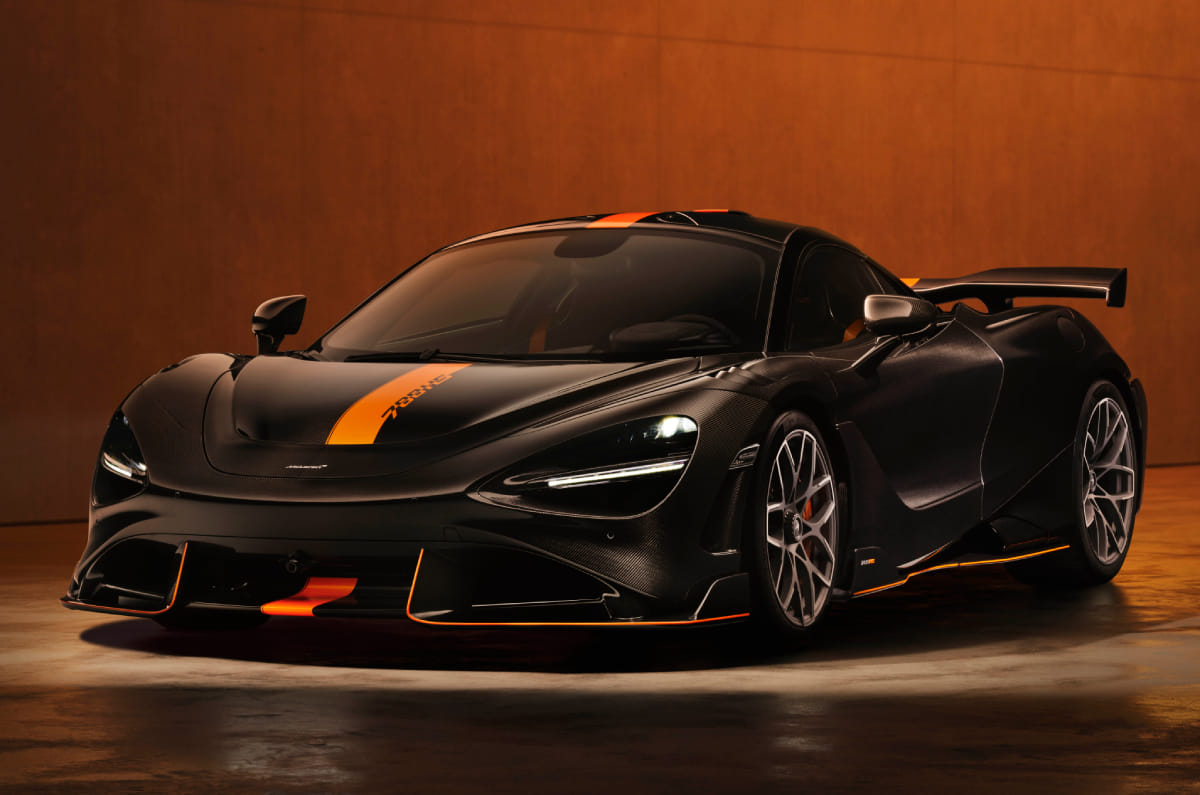
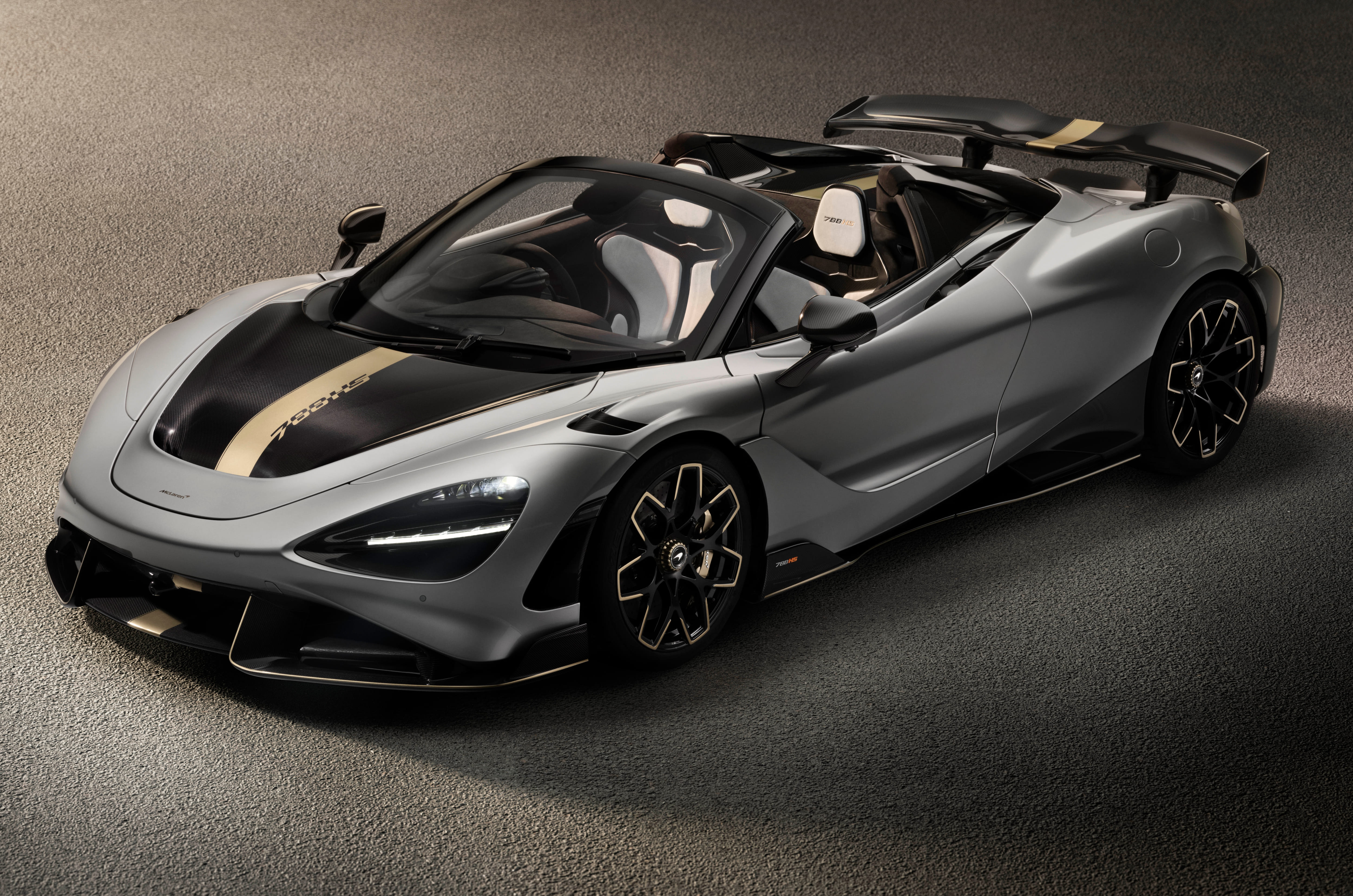
McLaren has unveiled the new 788HS, marking the final evolution of the supercar line that began with the 720S and later expanded to include the 765LT and 750S. Limited to 200 examples, the new model builds on the 750S with a more powerful V8 engine, revised aerodynamics, chassis upgrades and bespoke styling. It is only the third McLaren to wear the ‘HS’ (High Sport) badge, following the MP4-12C HS and MSO HS. 

  1. Only 200 units will be built, split equally between coupe and Spider
  2. 788hp twin-turbo V8 develops 38hp more than the 750S
  3. Generates 10 percent more downforce than the McLaren 765LT

McLaren 788HS exterior
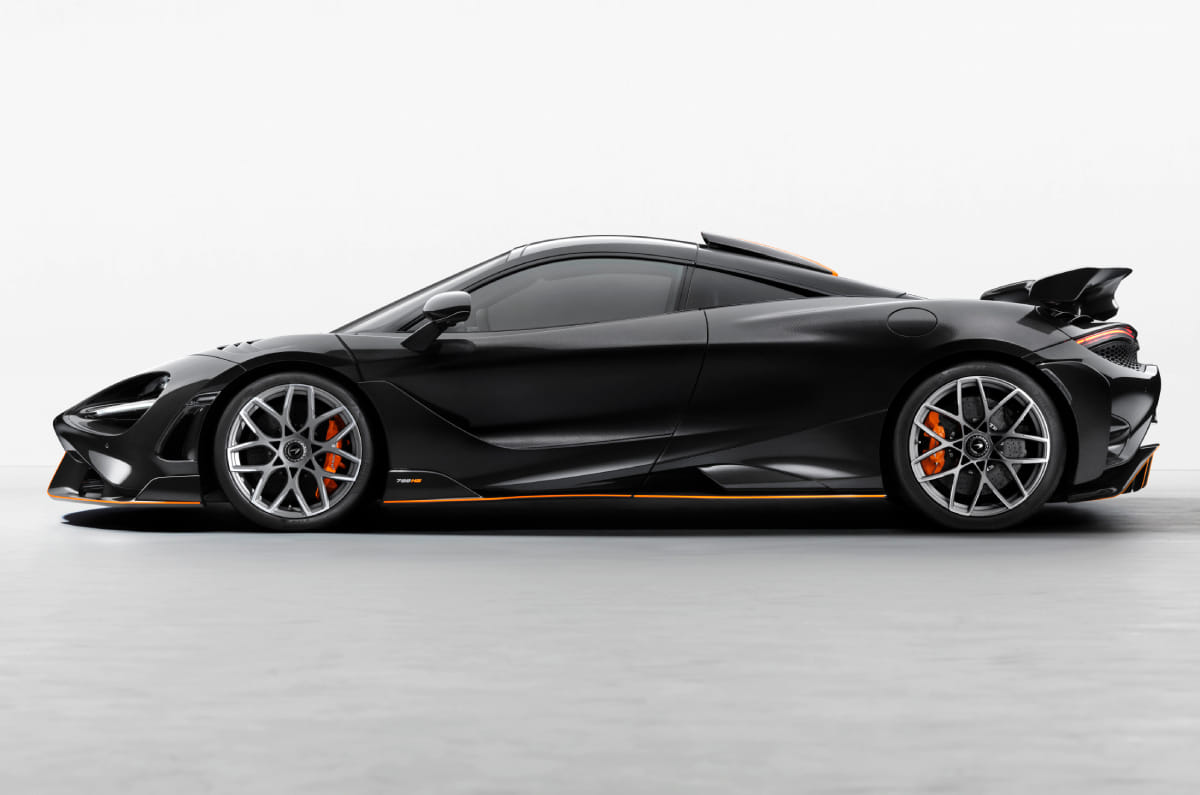
The 788HS receives a redesigned aerodynamic package featuring a new carbon-fibre multi-piece front splitter, bonnet with an integrated S-Duct, larger air intakes, a raised active rear spoiler and a chunky rear diffuser said to take inspiration from Formula 1 – which alone brings a 10% improvement in downforce over the 765LT. 
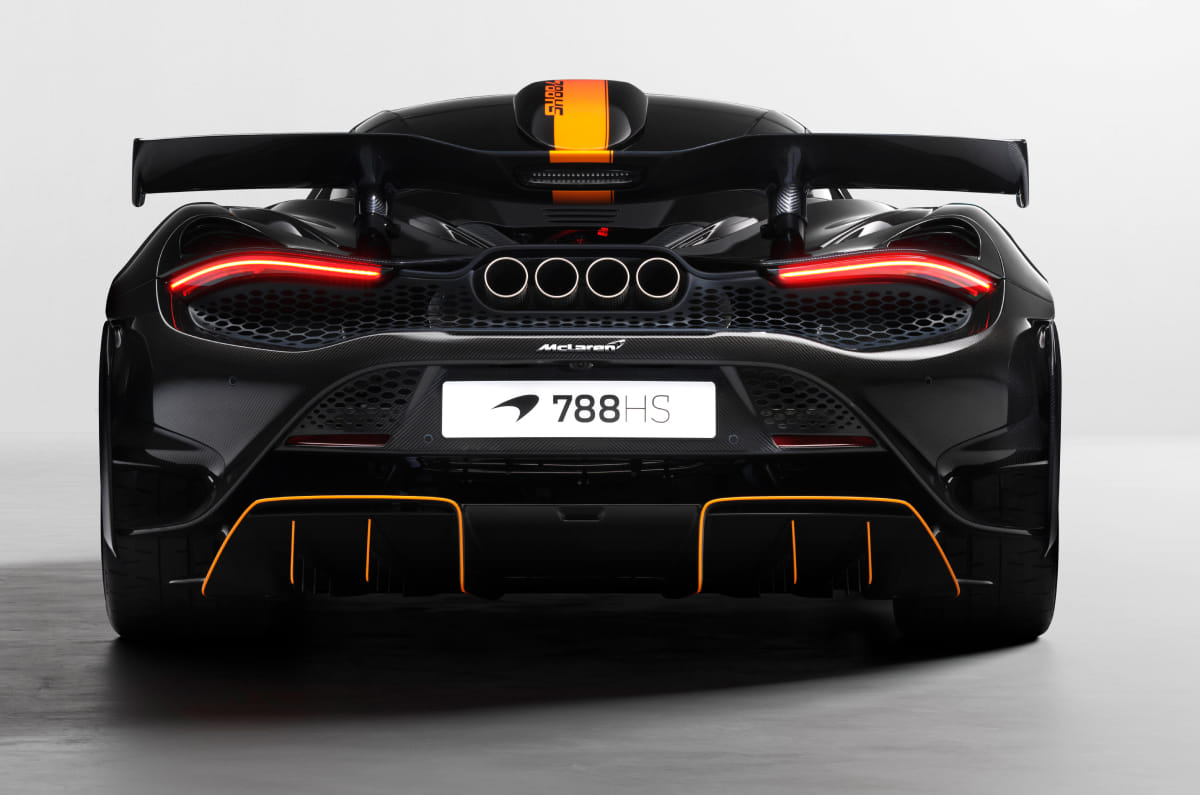
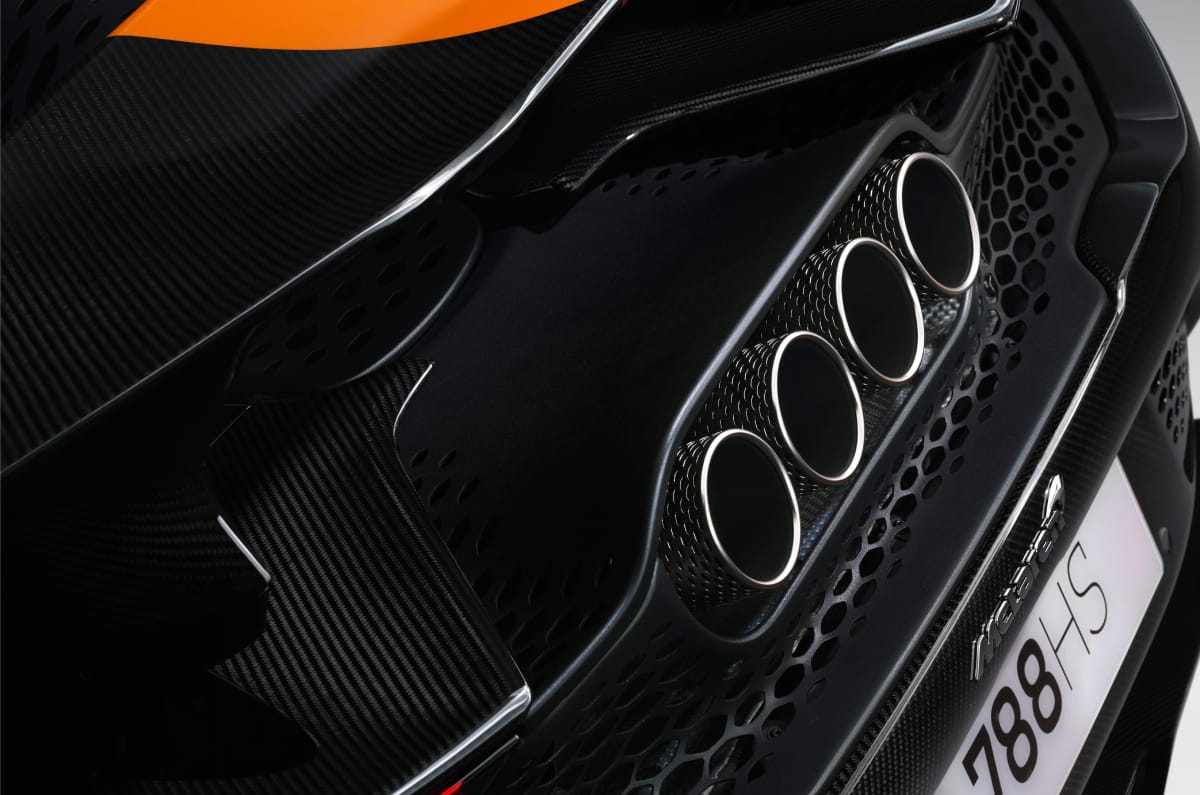
The coupe also gets a roof scoop finished in gloss black, while buyers can opt for a full exposed carbon-fibre body in either gloss or satin finish. Other exterior changes include a louvred under-wing panel to improve airflow, new forged alloy wheels and a quad-exit titanium exhaust.

McLaren 788HS interior
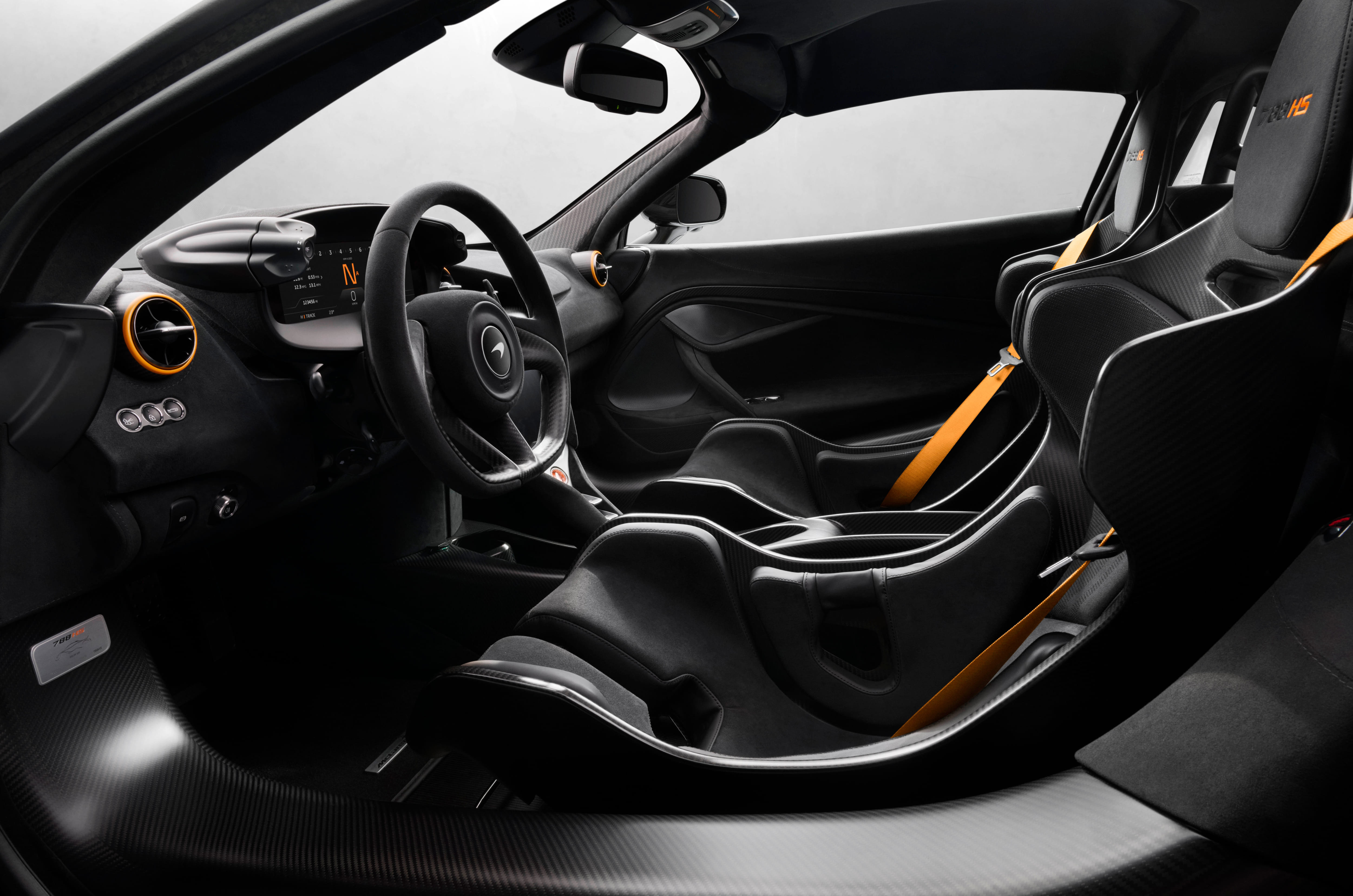
The cabin retains the driver-focused layout of the 750S but adds several model-specific details. It features a lightweight carbon-fibre centre console, unique HS badging, a dedicated plaque and bespoke upholstery with a new perforation pattern.

Other features include McLaren’s digital instrument display mounted on the steering column, steering wheel-mounted powertrain and handling mode controls, McLaren Infotainment System II and the McLaren Control Launcher, which allows drivers to store preferred vehicle settings.

McLaren 788HS powertrain and performance 
Powering the 788HS is McLaren’s 4.0-litre twin-turbocharged V8 petrol engine, producing 788hp and 800Nm. The engine revs to 8,500rpm and is paired with revised engine mounts, forged pistons, twin-scroll turbochargers and twin fuel pumps. McLaren claims a 0-100kph time of 2.8 seconds, 0-200kph time of 7.0 seconds and a top speed of 330kph.

The car has a dry weight of 1,265kg, giving it a claimed 623hp-per-tonne power-to-weight ratio, the highest achieved by any model in the 720S, 765LT and 750S series. 
The suspension set-up has also been modified, resulting in the 788HS sitting 5mm lower compared to the 750S. Braking is handled by carbon-ceramic discs derived from the McLaren Senna, paired with six-piston forged aluminium front calipers. The new forged centre-lock wheels are a first for this supercar series.

Stock Split: 5 साल में 1200% रिटर्न, अब 5 छोटे टुकड़ों में टूटेगा शेयर; 20 जुलाई है रिकॉर्ड डेट

सिंप्लेक्स कास्टिंग्स का स्टॉक, स्प्लिट होने वाला है। इसके तहत 10 रुपये फेस वैल्यू वाला एक शेयर, 2 रुपये फेस वैल्यू वाले 5 शेयरों में टूट जाएगा। इस कॉरपोरेट एक्शन की घोषणा मई महीने में की गई थी और रिकॉर्ड डेट 20 जुलाई है। इस तारीख से एक दिन पहले मार्केट क्लोजिंग तक जिन लोगों के नाम शेयरों के लाभार्थी मालिकों के तौर पर रजिस्टर ऑफ मेंबर्स ऑफ द कंपनी या डिपॉजिटरीज के रिकॉर्ड्स में दर्ज होंगे, उनके शेयर स्प्लिट हो जांएगे।

कंपनी की वेबसाइट के मुताबिक, इसकी शुरुआत 1970 में हुई थी। कंपनी के 800 से ज्यादा कर्मचारी हैं। सिंप्लेक्स कास्टिंग्स लिमिटेड कास्टिंग और इंजीनियरिंग सेक्टर की एक प्रमुख भारतीय कंपनी है। इसकी वैश्विक स्तर पर भी अच्छी-खासी मौजूदगी है। यह इंजीनियरिंग जरूरतों के लिए एक ही जगह पर सभी समाधान उपलब्ध कराती है, जैसे कि कास्टिंग, फोर्जिंग, फैब्रिकेशन, मशीनिंग, असेंबली और इक्विपमेंट बनाना। सिंप्लेक्स कास्टिंग्स का शेयर 9 जुलाई को बीएसई पर 518.75 रुपये पर बंद हुआ। कंपनी का मार्केट कैप 425 करोड़ रुपये से ज्यादा है।

Simplex Castings का शेयर 2 साल में लगभग 150 प्रतिशत मजबूत

शेयर की कीमत एक साल में 33 प्रतिशत और 2 साल में 146 प्रतिशत उछली है। 3 साल में यह 980 प्रतिशत और 5 साल में लगभग 1200 प्रतिशत की तेजी देख चुका है। कंपनी में मार्च 2026 के आखिर तक प्रमोटर्स के पास 50.39 प्रतिशत हिस्सेदारी थी। शेयर का 52 सप्ताह का एडजस्टेड हाई 623.50 रुपये और एडजस्टेड लो 356.60 रुपये है।

कंपनी की वित्तीय सेहत

जनवरी-मार्च 2026 तिमाही में Simplex Castings का स्टैंडअलोन बेसिस पर रेवेन्यू 54.76 करोड़ रुपये और शुद्ध मुनाफा 6.18 करोड़ रुपये रहा। पूरे वित्त वर्ष 2026 के दौरान कंपनी का स्टैंडअलोन रेवेन्यू 202.90 करोड़ रुपये रहा। इस बीच शुद्ध मुनाफा 21.26 करोड़ रुपये दर्ज किया गया।

Vedanta Aluminium Metal में है बहुत जान, बुल केस में दिख सकता है 53% तक उछाल; मोतीलाल ओसवाल को उम्मीद

ये स्टॉक भी होने वाले हैं स्प्लिट

स्टेनलेस स्टील सेक्टर की कंपनी मंगलम वर्ल्डवाइड लिमिटेड और केमिकल सेक्टर की कंपनी इंडियन टोनर्स एंड डेवलपर्स का स्टॉक भी स्प्लिट होने जा रहा है। मंगलम वर्ल्डवाइड का 10 रुपये फेस वैल्यू वाला एक शेयर, 1 रुपये फेस वैल्यू वाले 10 शेयरों में टूट जाएगा। रिकॉर्ड डेट 10 जुलाई है। मंगलम वर्ल्डवाइड गुजरात की कंपनी है। इसके कामकाज में स्क्रैप को पिघलाने से लेकर सीमलेस पाइप और ट्यूब बनाने तक के काम शामिल हैं। कंपनी वित्त वर्ष 2025-26 के लिए 10 रुपये फेस वैल्यू वाले हर शेयर पर 30 पैसे प्रति शेयर का फाइनल डिविडेंड देने वाली है। रिकॉर्ड डेट 17 जुलाई है।

वहीं इंडियन टोनर्स एंड डेवलपर्स का 10 रुपये फेस वैल्यू वाला एक शेयर, 2 रुपये फेस वैल्यू वाले 5 शेयरों में टूट रहा है। रिकॉर्ड डेट 17 जुलाई है। कंपनी कम्पैटिबल कलर कॉपियर टोनर के मामले में भारत की सबसे बड़ी मैन्युफैक्चरर और एक्सपोर्टर होने का दावा करती है। इसने 1992 में मैन्युफैक्चरिंग शुरू की थी। प्रोडक्ट्स में लेजर टोनर, कलर टोनर, कॉपियर/डिजिटल टोनर, वाइड फॉर्मेट कॉपियर एंड प्रिंटर टोनर शामिल हैं।

Disclaimer: यहां मुहैया जानकारी सिर्फ सूचना के लिए दी जा रही है। यहां बताना जरूरी है कि मार्केट में निवेश बाजार जोखिमों के अधीन है। निवेशक के तौर पर पैसा लगाने से पहले हमेशा एक्सपर्ट से सलाह लें। मनीकंट्रोल की तरफ से किसी को भी पैसा लगाने की यहां कभी भी सलाह नहीं दी जाती है।

Yamaha Aerox-E vs TVS X: price and specification comparison

Aerox E vs TVS X

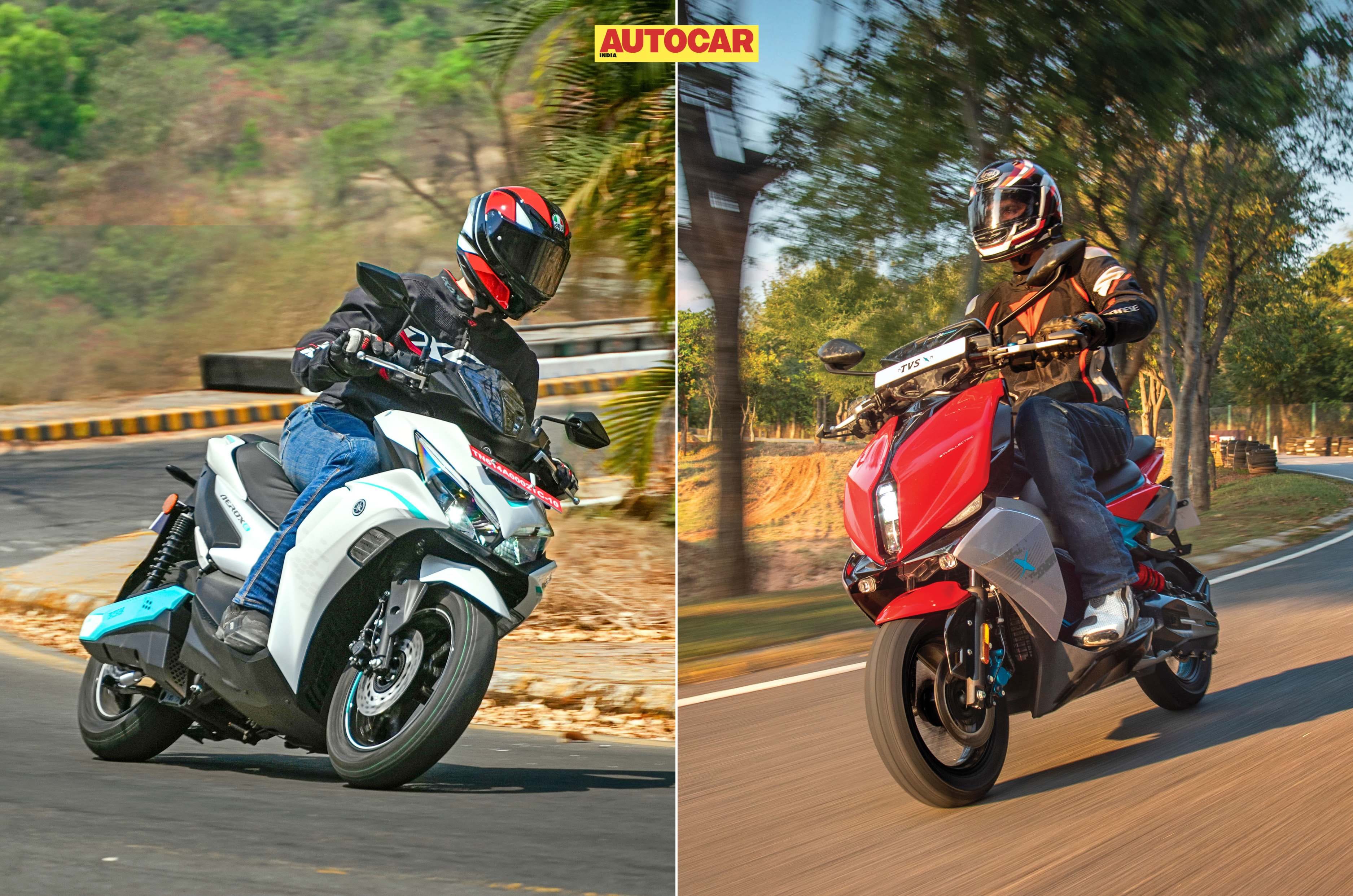
Last year, Yamaha announced that it would enter the Indian electric scooter market with two products – the River Indie-based EC-06 and the Aerox-E. The former was launched earlier this year, and the company has now revealed pricing for the electric Aerox at Rs 2.82 lakh. That makes it Yamaha’s most expensive offering in India and one of the costliest electric scooters on sale. At that price point, its only real rival is the TVS X, which has occupied a unique position at the top end of the Indian electric scooter market since its launch in 2023. Here’s how the two compare on paper.

Yamaha Aerox-E vs TVS X: Motor, battery and range

The TVS X offers better performance and range


Yamaha Aerox-E

TVS X

Peak motor output

9.4kW

11.7kW

Continuous motor output

NA

7kW

Peak torque

48Nm

40Nm

Battery capacity

2 x 1.5kWh (3kWh total)

4.4kWh

Charging time (0-100%)

6 hours 20 minutes


Claimed IDC range

117km

159km

Claimed top speed

95.5kph

110kph

The TVS X holds a clear advantage in outright performance and range. TVS claims a 0-40kph time of 2.5 seconds and a top speed of 110kph, both comfortably ahead of the Aerox-E. Its larger 4.4kWh battery also delivers a significantly higher claimed IDC range, although, as with all IDC figures, real-world range is likely to be lower.

The Aerox-E comes with dual removable battery setup comprising two 1.5kWh packs. That’s a meaningful practical advantage if you don’t have easy access to a charging point, as the batteries can be removed and charged separately using Yamaha’s optional charging dock (priced at Rs 18,000). That said, each battery weighs around 13kg, so removing them regularly may not be the most convenient solution.

Yamaha Aerox-E vs TVS X: Dimensions and underpinnings

The TVS X is lighter and runs on smaller 12-inch wheels


Yamaha Aerox-E

TVS X

Kerb weight

139kg

134kg

Suspension (F/R)

Telescopic fork / Twin shock absorbers

Telescopic fork / Monoshock

Brakes (F/R)

Disc / Disc

220mm disc / 195mm disc

Tyres (F/R)

110/80-14 / 140/70-14

100/80-12 / 110/80-12

Both scooters use a conventional telescopic fork up front, but they differ at the rear. The Aerox-E uses twin shock absorbers, while the TVS X gets a monoshock. Another notable difference is wheel size. The Aerox-E rides on larger 14-inch wheels, which should offer better stability, while the TVS X uses 12-inch wheels that are likely to feel a little more agile. It’s worth noting that TVS showcased a version of the X with 14-inch wheels at EICMA last year, although there’s been no update on whether or when that version will make it into production.

The TVS X is also 5kg lighter and is built around a sporty aluminium twin-spar frame, which means it doesn’t have a conventional flat floorboard.

Yamaha Aerox-E vs TVS X: Features

The TVS X has a clear edge in the features deparetmnt

The TVS X is the more comprehensively equipped scooter of the two. Its headline feature is a massive 10.25-inch TFT touchscreen with Bluetooth connectivity, Android Auto, navigation, music playback and smartphone integration. It also gets three riding modes – Xtealth, Xtride and Xonic – along with reverse assist, hill hold and TVS’ RAM air-cooling system for the motor. TVS has positioned the X as a flagship product, and its equipment list reflects that.

The Aerox-E isn’t quite as feature-rich. It upgrades from the petrol Aerox 155’s LCD console to a TFT display with smartphone connectivity, but the unit is relatively basic compared to the TVS. The Aerox-E offers three riding modes – Eco, Standard and Power – along with a dedicated Boost button that provides short bursts of additional performance.

Yamaha Aerox-E vs TVS X: Price

The TVS X undercuts the Aerox-E by Rs 16,000


TVS X

Yamaha Aerox-E

Price (ex-showroom, Bengaluru)

Rs 2.66 lakh

Rs 2.82 lakh

At Rs 2.66 lakh, the TVS X undercuts the Aerox-E by Rs 16,000. On paper, it’s clearly the stronger package, offering higher performance, a larger battery, longer claimed range and a considerably more comprehensive feature list.

Availability, however, remains limited for both scooters. The TVS X was initially launched only in Bengaluru, with the company indicating plans to expand to more cities, although there hasn’t been a meaningful update since. The Aerox-E will be available in Delhi, Bengaluru, Mumbai, Pune and Chennai, giving it slightly wider reach, but both remain niche offerings at the premium end of the electric scooter market.

ZXMoto 820RR-R and 820R revealed

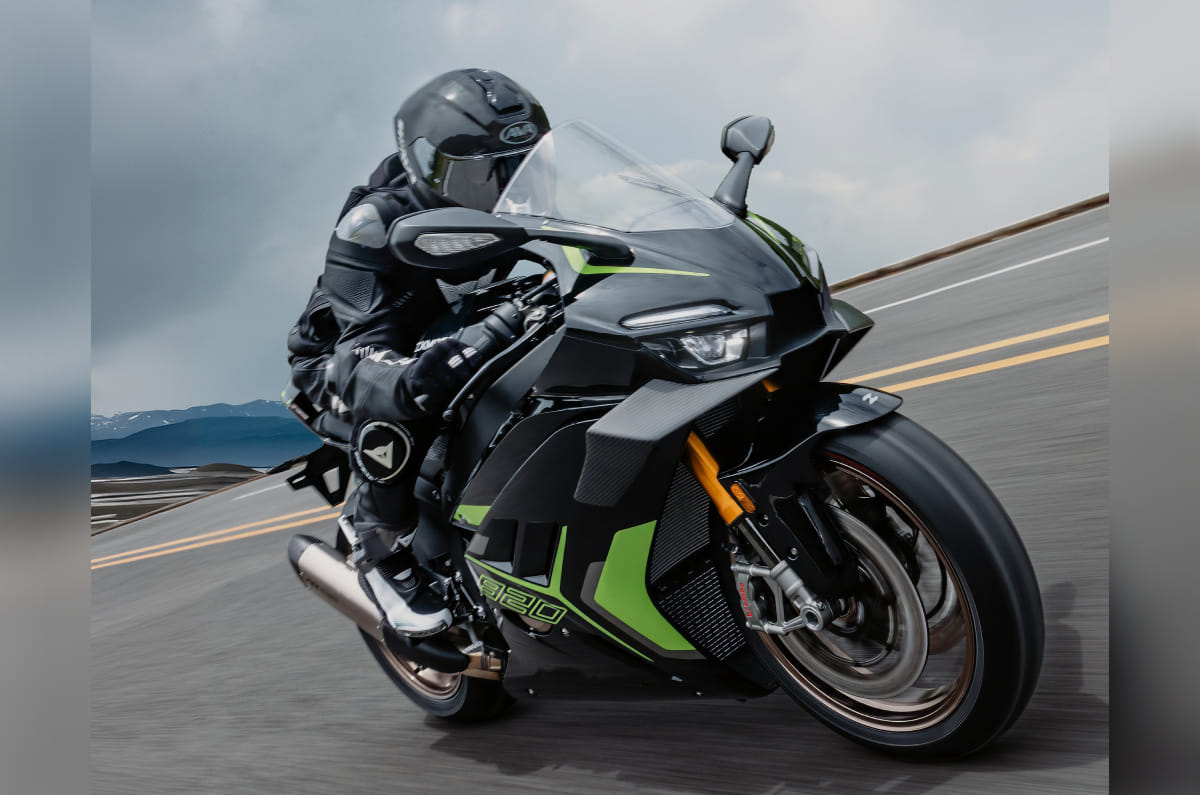
ZXMoto 820RR-R being ridden on a racetrack

Chinese motorcycle manufacturer ZXMoto has unveiled two new additions to its middleweight lineup – the 820RR-R sportbike and the 820R naked. The former is a higher-spec version of the existing 820RR that has enjoyed a remarkably successful debut campaign in the 2026 WorldSSP championship, while the latter is an all-new streetfighter built around the same 818.8cc inline-triple platform.

  1. 820RR-R gets KYB suspension, Brembo M50 calipers, forged wheels
  2. 818.8cc inline-triple makes 145hp on the 820RR-R 
  3. 820R is a street-naked variant that makes 135hp

ZXMoto 820RR-R and 820R details

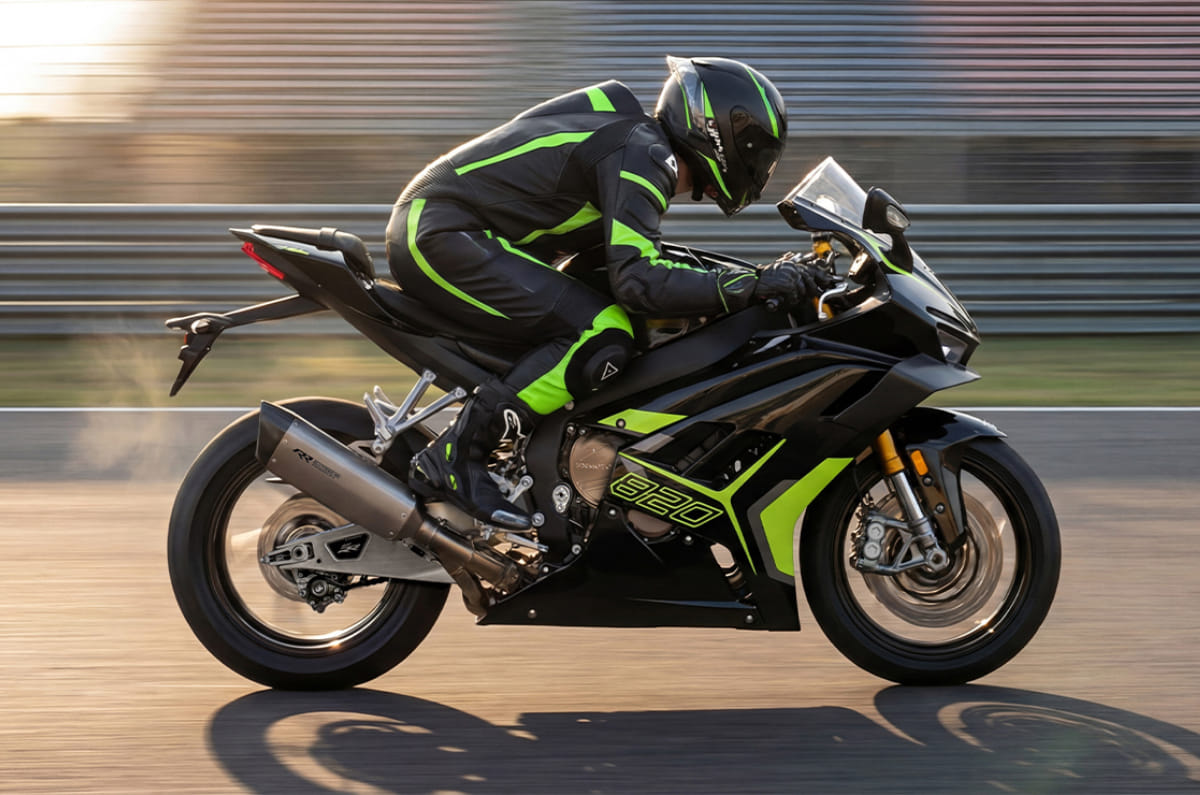
The 820RR-R gets a comprehensive hardware upgrade over the standard 820RR

For many enthusiasts, ZXMoto may still be an unfamiliar name, and that’s hardly surprising. The Chinese manufacturer was only established in 2024 by Zhang Xue, a former co-founder of Kove Moto, the brand best known internationally for its adventure motorcycles and Dakar Rally programme.

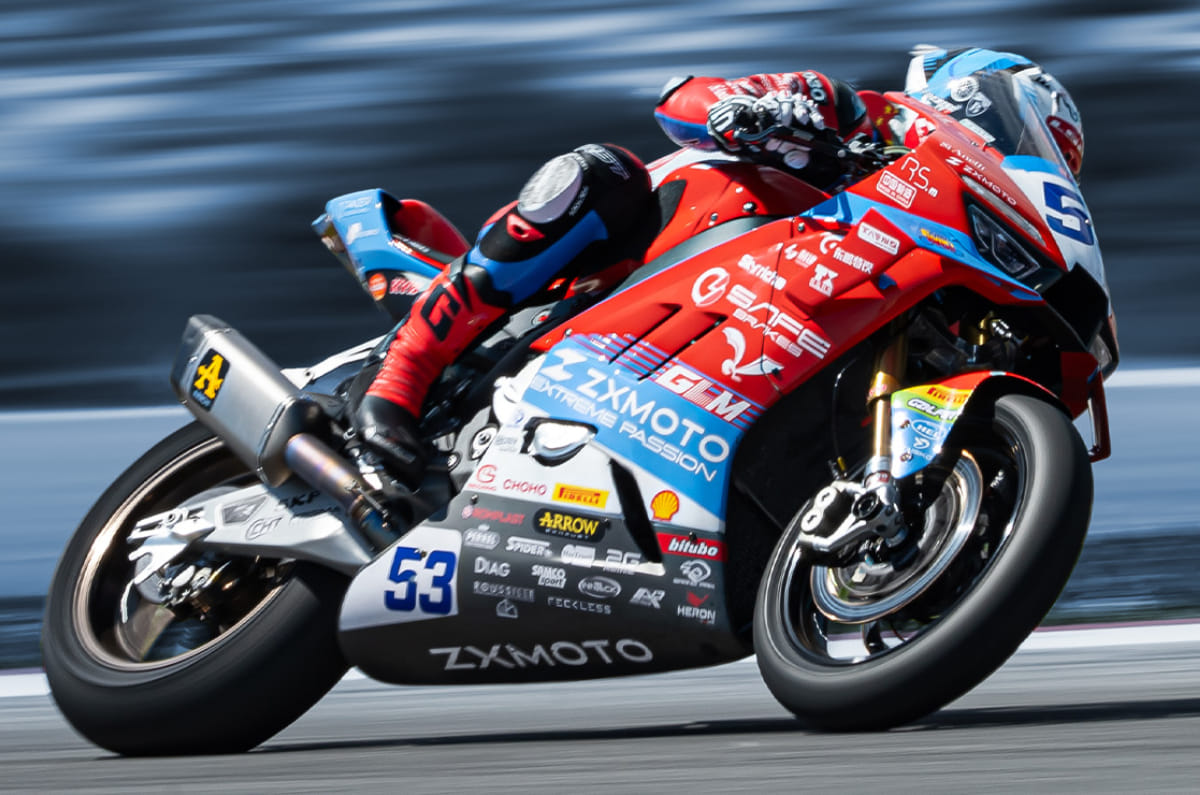
Despite its short existence, ZXMoto has quickly built credibility the old-fashioned way: by proving itself on the racetrack. The manufacturer entered the 2026 WorldSSP championship with the 820RR and made an immediate impact, becoming the first Chinese motorcycle manufacturer to win a WorldSSP race. It has since added further victories and, at the time of writing, sits third in the manufacturers’ standings behind only Yamaha and Ducati, ahead of established names including Triumph, Kawasaki, Honda and MV Agusta.

Building on that momentum, the company has now introduced the more focused 820RR-R. While the standard 820RR’s 818.8cc inline-triple produces 135hp at 12,000rpm and 80Nm at 9,500rpm, the RR-R raises output to 145hp at 13,500rpm and revs to 14,750rpm. The gains come courtesy of a higher compression ratio and titanium intake valves replacing the standard model’s steel units.

The chassis has also received a substantial upgrade. Suspension is now handled by a fully adjustable 43mm KYB USD fork and KYB monoshock, while braking duties are taken care of by Brembo M50 monobloc calipers and a Brembo master cylinder. Forged wheels replace the standard cast alloy units, contributing to a claimed 7kg weight saving that brings the wet weight down to 186kg. The RR-R also gains carbon-fibre winglets, a carbon-fibre exhaust tip and adjustable rearsets, and fuel tank capacity drops slightly from 18 litres to 16 litres.

The electronics package is equally comprehensive, featuring five riding modes, a six-axis IMU enabling cornering traction control and lean-sensitive ABS, a 6.2-inch Android-powered TFT display, TPMS, a bidirectional quickshifter, keyless ignition and a dual-chamber steering damper. Both the 820RR and 820RR-R continue to share the same cast aluminium frame, aluminium swingarm and adjustable rake and anti-squat geometry.

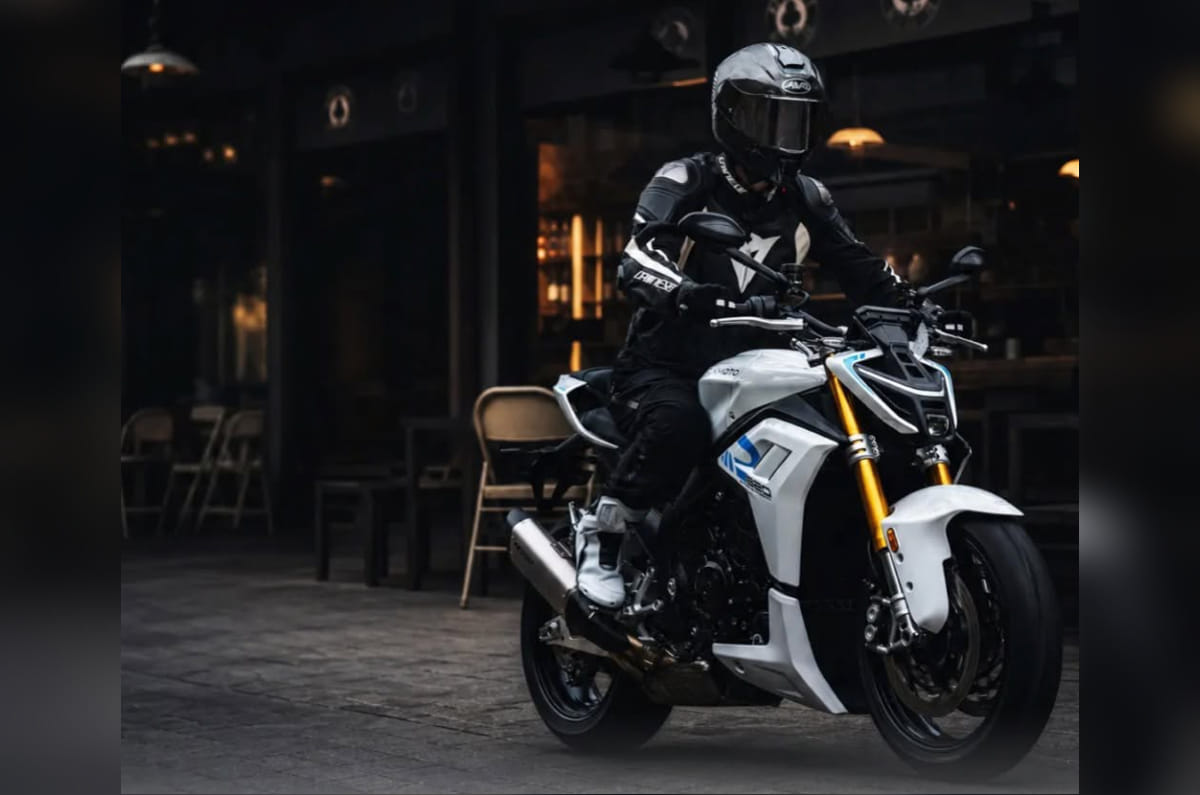
Alongside the RR-R, ZXMoto has also revealed the 820R naked. It uses the same 818.8cc inline-triple and aluminium chassis as the 820RR, producing 135hp at 12,000rpm. Unlike the RR-R, however, it uses suspension from Chinese manufacturer Yu’an and braking hardware from Taisko. It still gets a six-axis IMU, TPMS and keyless ignition as standard.

ZXMoto is actively working to expand beyond its home market of China, and its WorldSSP success is likely to help establish the brand internationally. The company has already confirmed its entry into the UK, where it will initially launch the 500RR sportbike, with the 820RR and 500F retro naked expected to follow in 2027. The United States is also among the brand’s target markets, and no plans for an India launch have been announced.

2,031hp Venom F5-M revealed as the world’s most powerful manual car

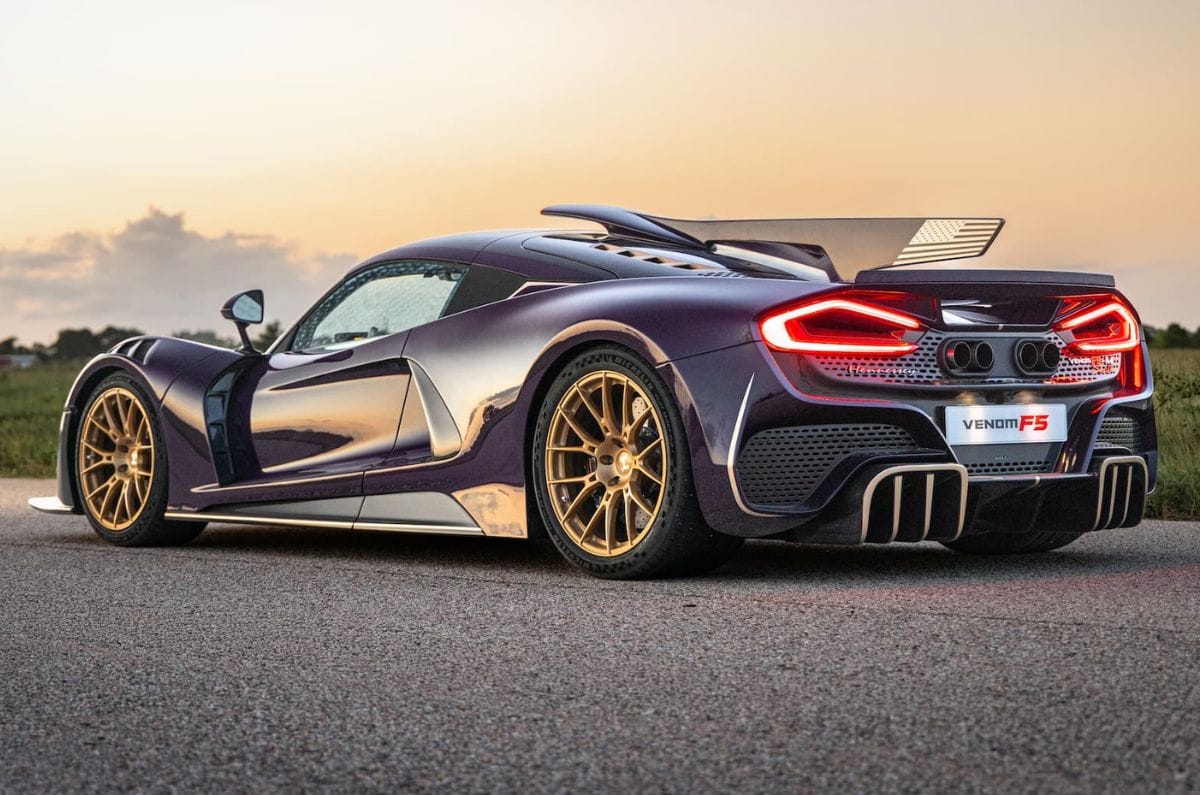
Hennessey Venom F5-M rear quarter

Hennessey will be debuting the Venom F5-M (manual) Roadster at the Goodwill Festival of Speed in the UK on July 9, 2026. During its four days at Goodwood, the Roadster will be driven by British Le Mans champion Alex Brundle. The open-top hypercar features a new 6-speed manual gearbox with a gated shifter, a new chassis, unique aerodynamics and a bespoke interior, according to the boutique Texas-based brand.

  • Bespoke bodywork sports a 55-inch dorsal fin and an integrated roof scoop
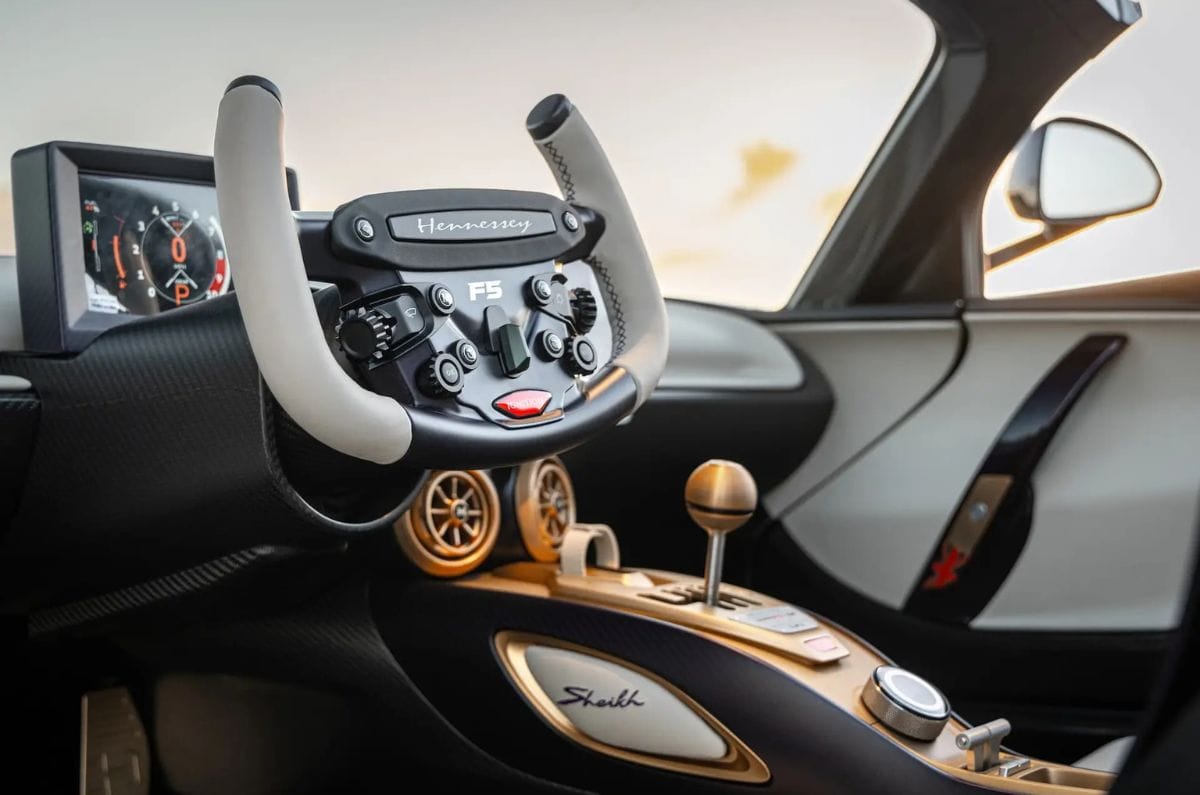
  • Uses an aluminum & carbon-fibre shifter, carbon bucket seats and a yoke-style steering
  • Power comes from a 6.6-litre twin-turbo V8

Hennessey Venom F5-M design and personalisation

The manual F5 features a couple of design features that are exclusive to it

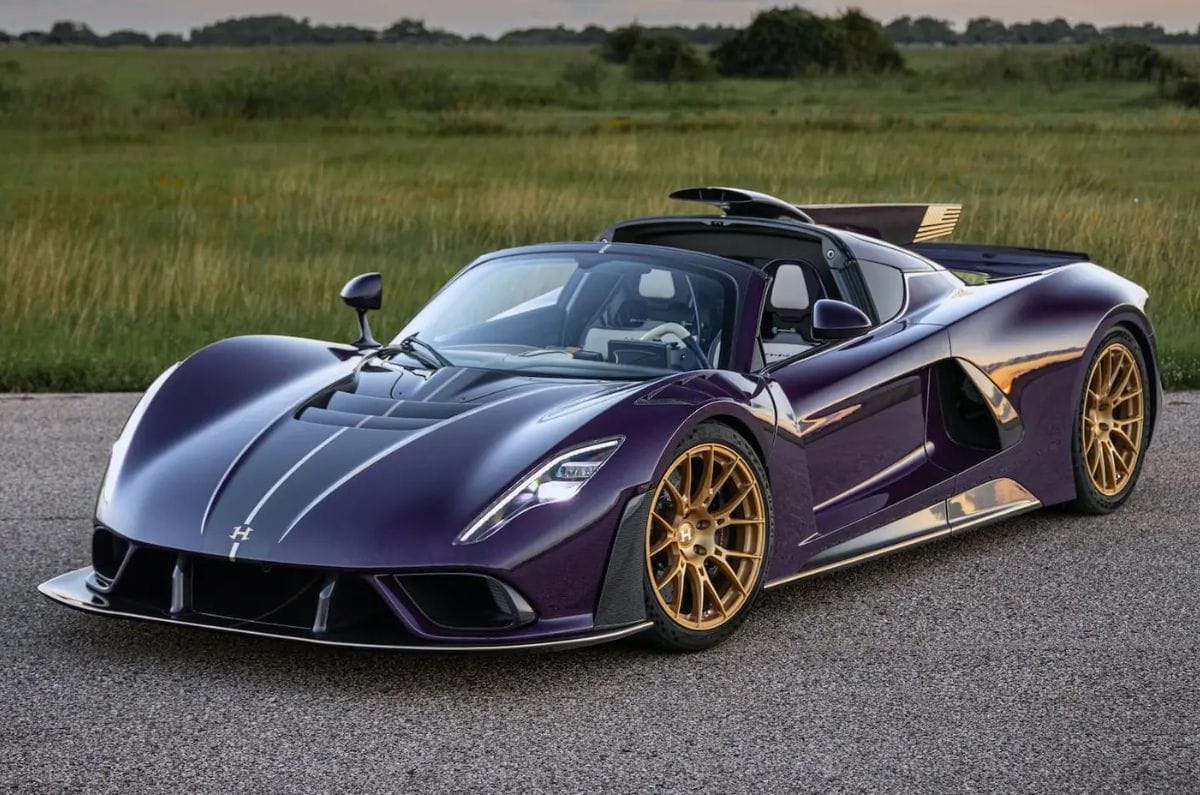
Hennessey Venom F5-M front quarter

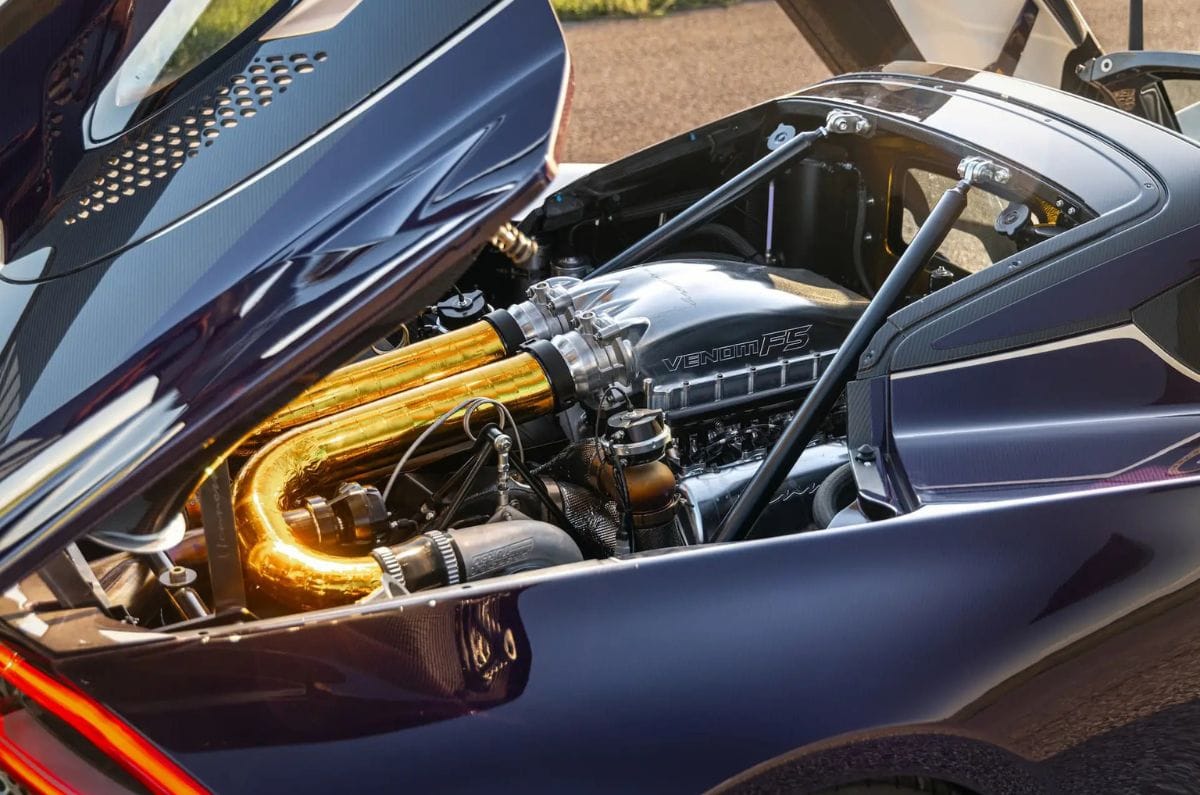
While maintaining some of the general design cues from the Evolution series, the new Venom F5-M gets a few unique traits of its own. One of the most notable exterior features is a roof-mounted air intake scoop that sits right behind the removable roof. Then there’s the 55-inch (or 1.4-metre) long dorsal fin, which stretches from behind the scoop all the way to the aft-end of the F5. While the scoop serves cool air directly to the engine bay, the fin enhances aerodynamics at speeds beyond 320kph, as per Hennessey.

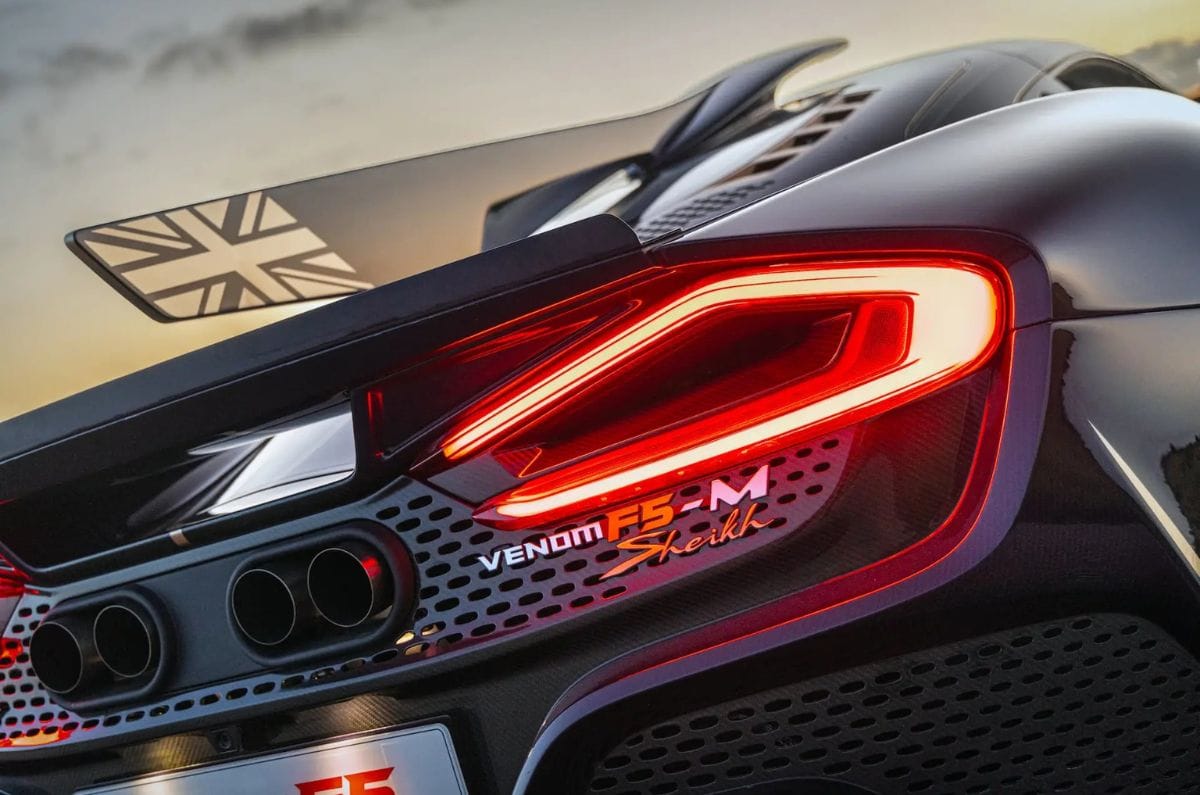
Hennessey Venom F5-M rear details

Customers of the manual Hennessey Venom F5 can provide inputs regarding personalisation options via the brand’s ‘Maverick’ division. The first customer commissioned their F5-M with hand-painted US and UK flags on either side of the fin finished in gold colour. The exterior of this UK car features exposed purple carbon fibre with anodised gold accents, a 24-karat gold ‘Hennessey’ badge on the nose, and ‘Sheikh’ lettering at the rear. This lettering is also found on the driver- and passenger-side knee pads. While the F5-M can be had with an aluminium & carbon-fibre shifter, this particular example has one made from billet aluminium.

Hennessey Venom F5-M interior

The interior also features a unique yoke-style steering with stitched leather and a whole set of physical buttons and dials. There’s exposed carbon fibre all across the Venon F5’M’s cabin, plus real metal and high-quality leather trim. The digital instrument panel is situated in the driver’s line of sight, while the short-throw gear lever offers a crisp and machined-metal clink, says Hennessey.

Hennessey Venom F5-M powertrain and chassis

The manual gearbox and updated chassis of the F5-M will make it to other F5 models

Powering the new Hennessey Venom F5-M is a 6.6-litre twin-turbocharged V8 that puts out 2,031hp. This so-called ‘Fury’ engine drives the rear wheels via a 6-speed manual transmission. While the American brand hasn’t disclosed the performance figures of the new Venom F5-M, it stated that the powertrain features a sophisticated traction control and engine management systems for precise and linear power delivery.

Hennessey Venom F5-M engine

Even though it didn’t specify a timeline, Hennessey claimed that this car’s updated chassis and manual gearbox will make it to other Coupe and Roadster variants of the Venom F5, too. The hypercar also comes with active suspension, which can alter damping based on the drive mode selected by the driver. Hennessey said that it will only produce 12 units of the new Venom F5-M Roadster for the whole planet, and prices start from USD 2.65 million (roughly Rs 25.24 crore).

Also read

Jaguar XJ220 supercar reimagined by Callum Designs

Upcoming Range Rover Velar replacement to get hybrid version

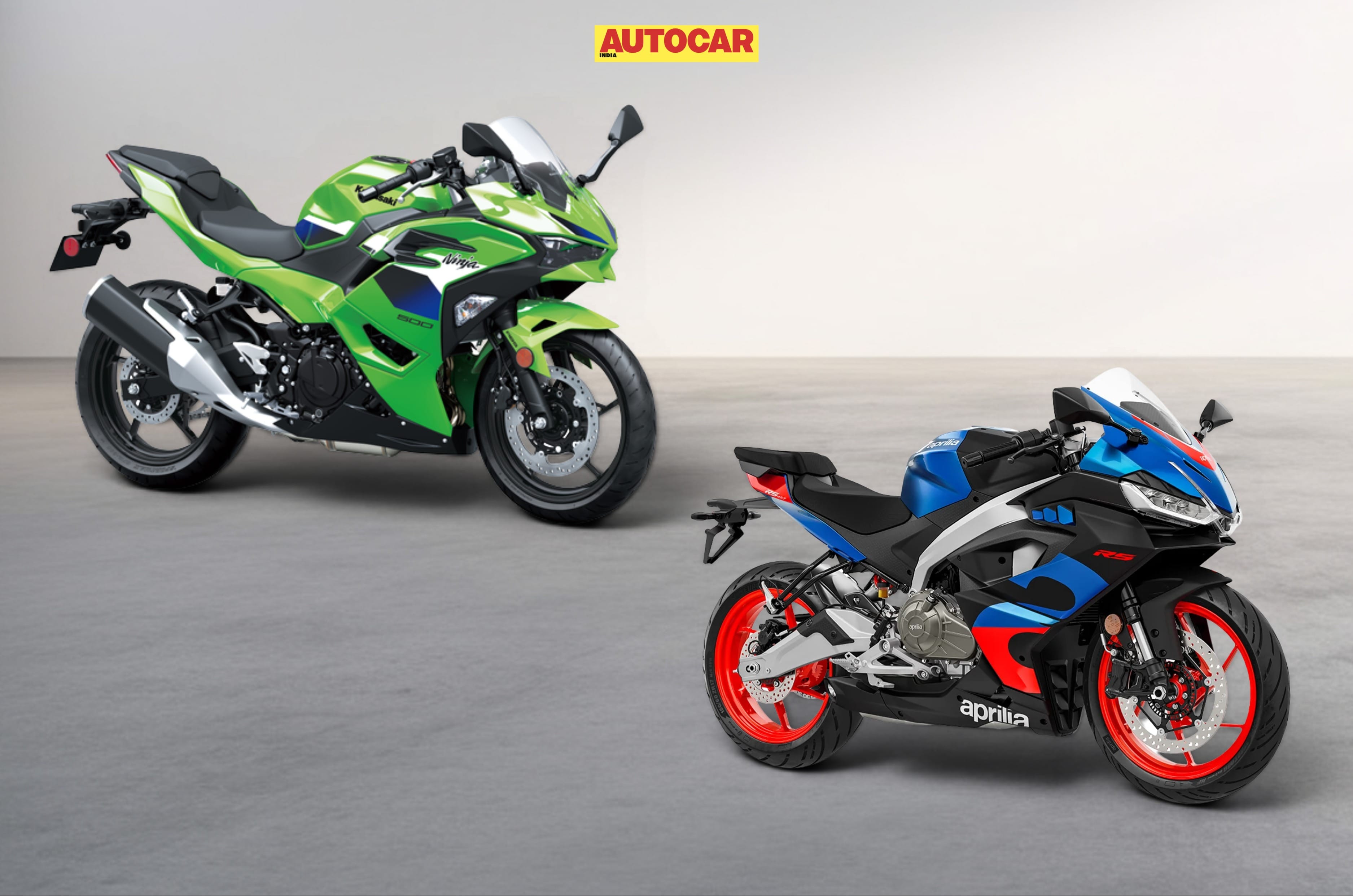
Kawasaki Ninja 500 vs Aprilia RS 457: Price and specification comparison

Kawasaki Ninja 500 vs Aprilia RS 457: Price and specification comparison

The Aprilia RS 457 and Kawasaki Ninja 500 are two of the few fully faired, twin-cylinder motorcycles in the sub-500cc segment, but they take distinctly different approaches. While the Aprilia prioritises outright performance and premium hardware, the Ninja 500 focuses on accessibility and mechanical simplicity. Here’s how the two compare on paper.

 Kawasaki Ninja 500 vs Aprilia RS 457: Engine and output


Kawasaki Ninja 500

Aprilia RS 457

Engine

451cc, parallel-twin, liquid-cooled

457cc, parallel-twin, liquid-cooled

Peak Output

45.4hp at 9,000rpm

47.6hp at 9,400rpm

Peak Torque

42.6Nm at 6,000rpm

43.5Nm at 6,700rpm

Gearbox

6-speed

6-speed

Power-to-weight ratio

265.5 hp/tonne

272hp/tonne

RS 457 produces more power and has a better power-to-weight ratio

Although both motorcycles use liquid-cooled parallel-twin engines, they have been engineered with different priorities. The RS 457 employs a 270-degree crankshaft, giving it an uneven firing order, while its ride-by-wire throttle allows Aprilia to equip it with rider aids such as traction control, riding modes and an optional bidirectional quickshifter. The Ninja 500, meanwhile, sticks to a cable-operated throttle and a more straightforward electronics package. On paper, the Aprilia also enjoys a slight edge in outright performance and power-to-weight ratio.

Kawasaki Ninja 500 vs Aprilia RS 457: Weight and dimension


Kawasaki Ninja 500

Aprilia RS 457

Kerb weight

171kg 

175kg

Wheelbase

1375mm 

NA

Ground clearance

145mm 

150mm

Seat height

785mm 

800mm

Fuel capacity

14 litres 

13 litres

RS 457 gets an aluminium twin-spar frame; Ninja 500 uses a steel trellis frame.

The biggest distinction between the two lies in their chassis construction. The RS 457 uses an aluminium twin-spar frame, while the Ninja 500 is built around Kawasaki’s high-tensile steel trellis frame. Despite the different approaches, the Aprilia is only 4kg heavier. Beyond that, the differences are relatively subtle, with the Ninja 500 offering a lower seat height and a larger fuel tank, while the RS 457 has a marginally longer wheelbase and slightly more ground clearance.

Kawasaki Ninja 500 vs Aprilia RS 457: Tyres, brakes and suspension


Kawasaki Ninja 500

Aprilia RS 457

Tyres

110/70-R17 / 

150/60-R17

110/70-R17 / 150/60-R 17

Suspension

Telescopic fork / monoshock

USD fork / monoshock

Brakes

310mm disc / 220mm disc

320mm disc / 220mm disc

The Ninja 500 comes with an axially mounted Nissin caliper

While both motorcycles ride on 17-inch alloy wheels wrapped in 110-section front and 150-section rear tyres, their suspension and braking hardware take different approaches. The RS 457 gets a 41mm preload-adjustable USD fork, whereas the Ninja 500 uses a 41mm telescopic fork. Both bikes feature a preload-adjustable monoshock.

The Aprilia also has the more sophisticated braking setup on paper. It uses a 320mm front disc paired with a radially mounted ByBre caliper, while the Ninja 500 gets a 310mm front disc with an axially mounted two-piston Nissin caliper. Both motorcycles come equipped with dual-channel ABS as standard.

Kawasaki Ninja 500 vs Aprilia RS 457: Features

The RS 457 enjoys a clear edge when it comes to electronics. Its ride-by-wire throttle unlocks a more comprehensive rider aid suite, comprising three riding modes, three-level traction control, and an optional bidirectional quickshifter. It also gets a 5-inch TFT display with Bluetooth connectivity and turn-by-turn navigation.

The Ninja 500, in contrast, takes a simpler approach. The India-spec motorcycle comes with an LCD instrument cluster, LED lighting, dual-channel ABS and an assist-and-slipper clutch as standard, but misses out on electronic rider aids such as traction control, riding modes and a quickshifter. The pared-back equipment list is in keeping with the Ninja 500’s focus on offering a straightforward, easy-to-live-with riding experience.

Kawasaki Ninja 500 vs Aprilia RS 457: Price


Kawasaki Ninja 500

Aprilia RS 457

Price

Rs 4.22 lakh (ex – showroom, Mumbai)

Rs 5.76 lakh (ex-showroom, India)

RS 457 offers a significantly lower entry price than the Ninja 500

The Aprilia RS 457 is priced at Rs 4.22 lakh, while the Kawasaki Ninja 500 costs Rs 5.76 lakh (both ex-showroom, India), a difference of Rs 1.54 lakh. While the specification sheet provides a useful point of comparison, the final decision will ultimately depend on whether buyers prioritise the Aprilia’s stronger value proposition or the Ninja 500’s broader ownership appeal.
 

3 reasons to buy the Flying Flea C6 and 2 reasons to skip it

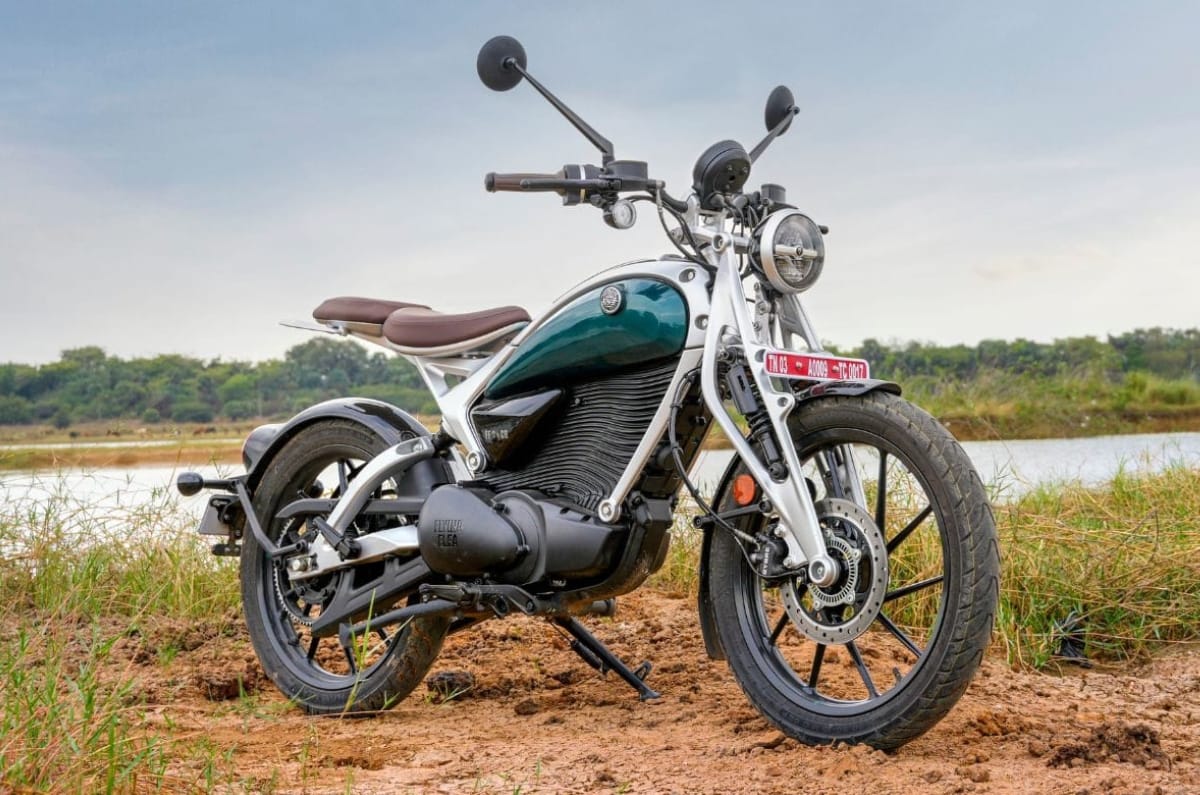
Flying Flea C6 static

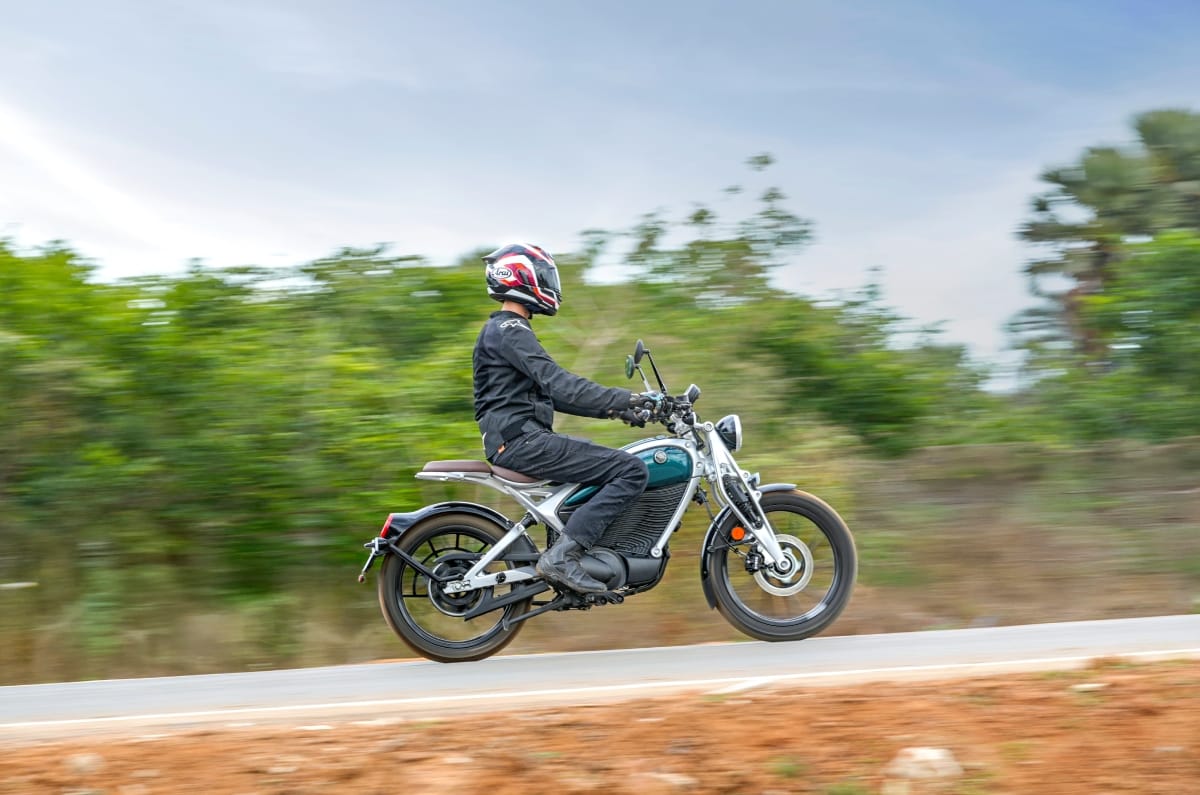
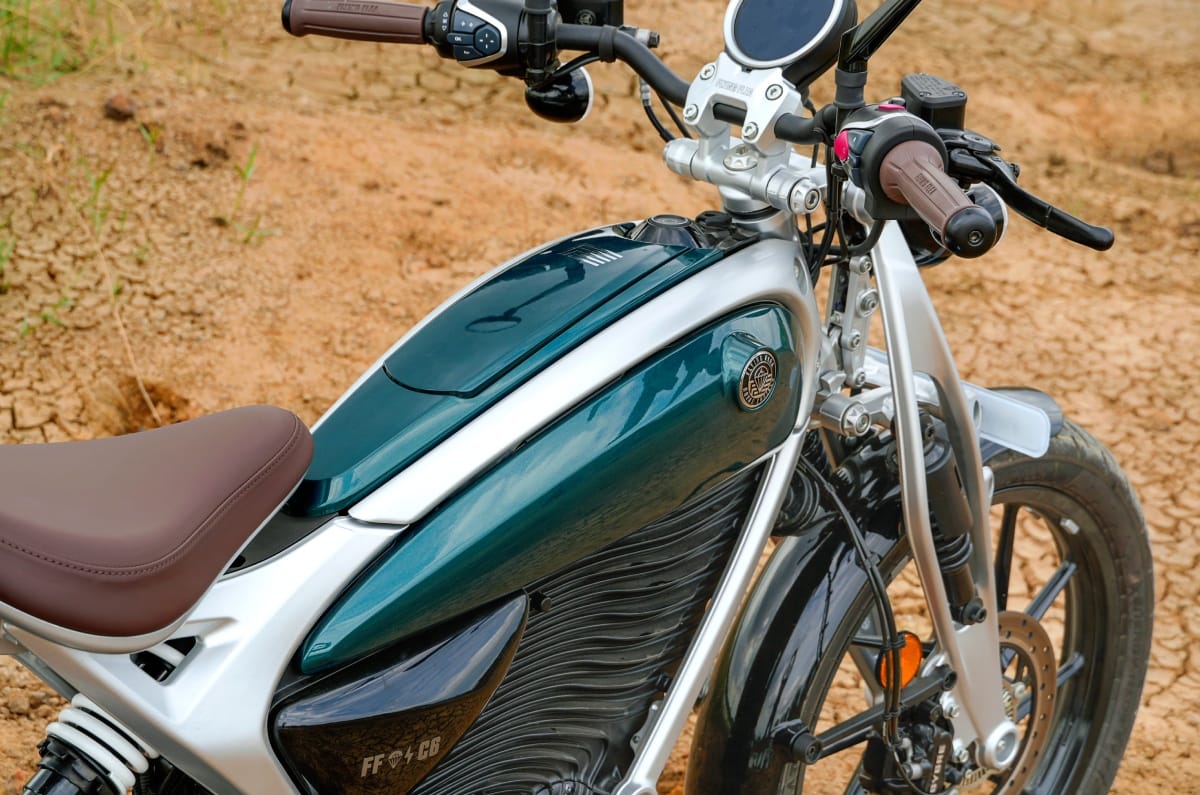
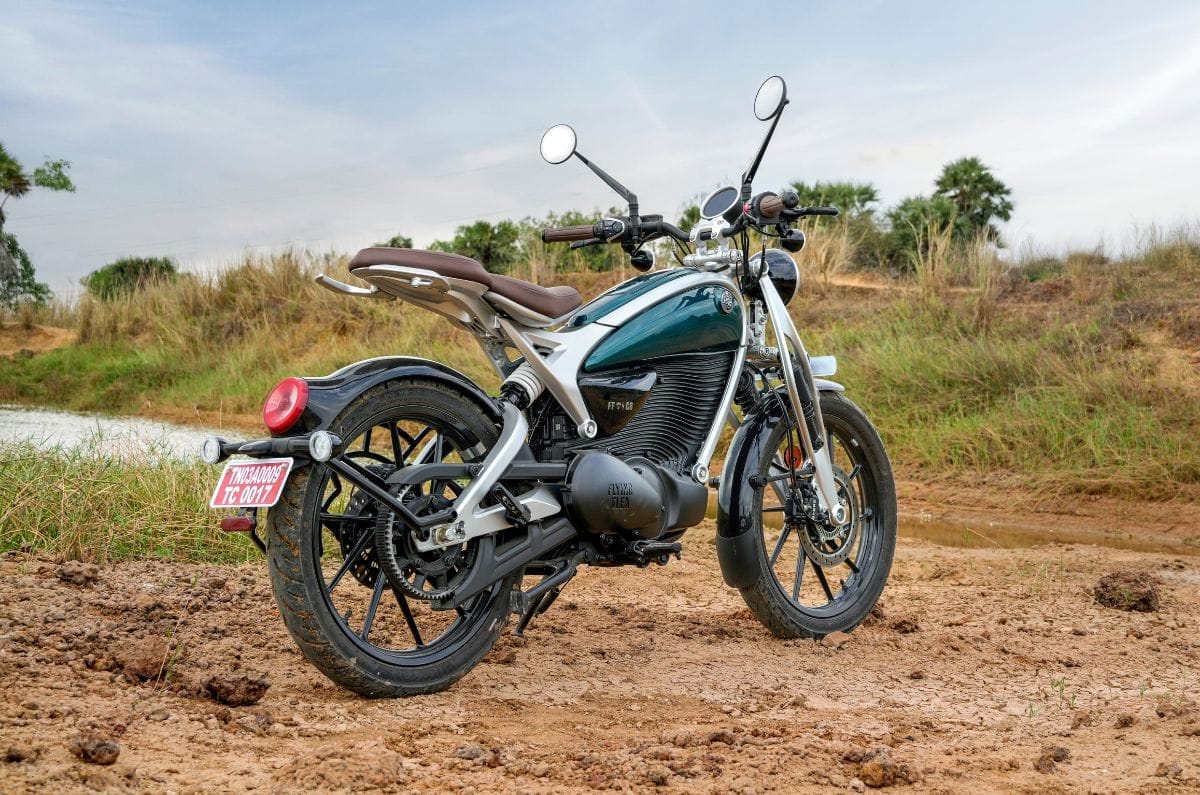
The Flying Flea C6 is Royal Enfield’s first electric motorcycle and, by any measure, one of the most unconventional two-wheelers to come out of an Indian manufacturer. The brand says it isn’t designed to be a high-volume product, but rather as a learning exercise and a statement of intent. During our brief stint with the bike, we found the C6 takes a genuinely different approach to electric mobility. Here’s what works in its favour and a couple of reasons it might not be for everyone.

Reasons to buy the Flying Flea C6

Exciting and engaging to ride

The C6’s performance is more impressive than its compact dimensions might suggest. The 15kW peak motor produces 60Nm and the bike can reach a top speed of around 115kph, which it achieves with ease. More significantly, during our time with the bike we found that this performance is consistently available even as the battery state of charge drops. The motor is capable of 8kW continuous output, which is among the highest of any Indian two-wheeler EV.

Four riding modes – Rain, City, Highway and Sport – are available, along with a custom mode that allows you to tweak throttle response, power level, traction control and regenerative braking independently. 

Beautifully engineered with impressive attention to detail

The C6 is a genuinely fascinating piece of engineering to spend time with. Virtually no steel is used in the structural components – the chassis is a forged aluminium exoskeleton, the swingarm is aluminium, and the battery casing is constructed from magnesium alloy, a material that is significantly lighter than aluminium and has never been used in an Indian two-wheeler before. The girder fork, in particular, is a mechanical highlight – it’s virtually extinct on modern motorcycles and is fascinating to observe both at a standstill and in motion. Royal Enfield has addressed magnesium’s combustibility risk by designing the chassis as a protective exoskeleton around the battery casing. 

High-end technology and thoughtful features

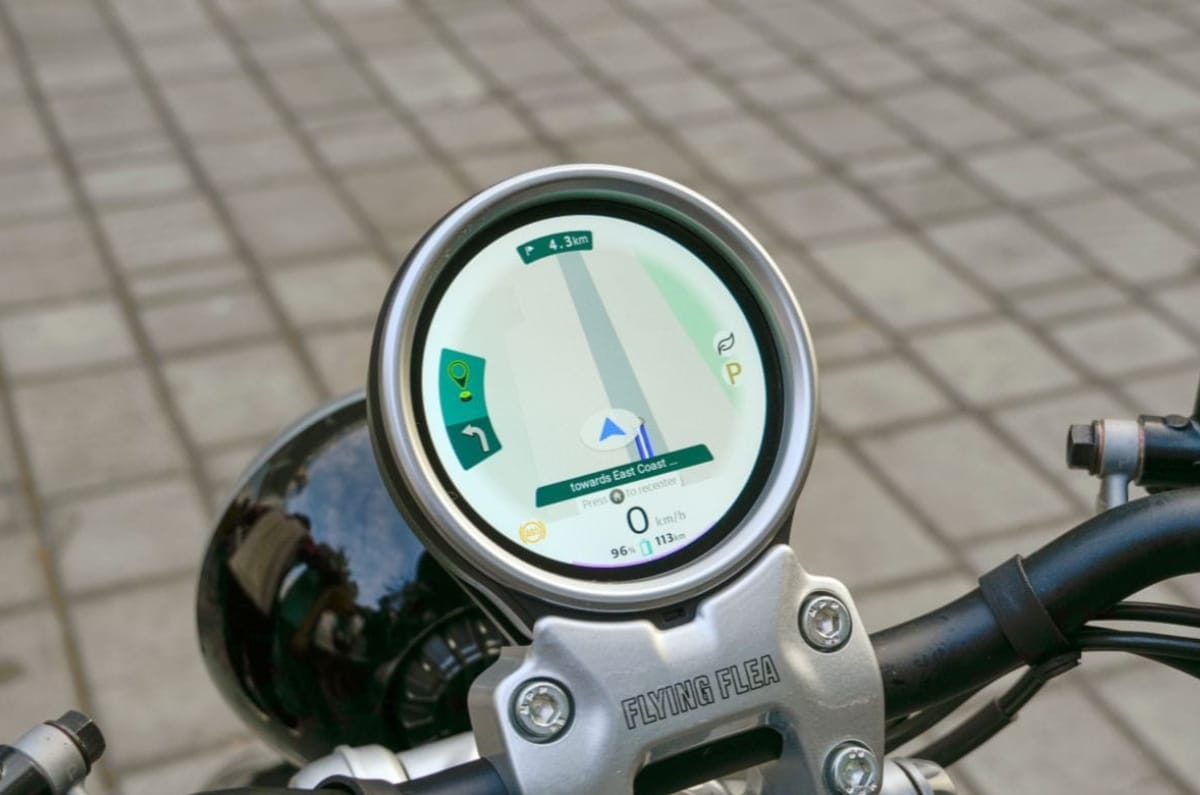
The C6 is the most technically advanced Royal Enfield ever built, by a considerable margin. It comes with cornering ABS, traction control, a 3.5-inch round touchscreen TFT display and keyless operation. A rotary dial on the left switchgear allows riding mode changes on the move and makes for a genuinely intuitive system. App connectivity is standard, and an integrated phone storage compartment with wireless charging allows you to cast Google Maps onto the TFT. An on-board 2kW charger means you only need to carry a cable, not a bulky external unit, and three charging modes let you choose between fast, normal and trickle charging speeds. A notable addition is an optional incognito mode that prevents the bike from relaying data back to the company – a rare and welcome privacy feature for a connected vehicle.

Reasons to skip the Flying Flea C6

Polarising size and limited real-world range

The C6 is a small, compact motorcycle. Deliberately so, given its inspiration from the original World War II-era Flying Flea that needed to be parachute-dropped onto battlefields. Not everyone will find the proportions appealing, and riders expecting a conventional Royal Enfield presence on the road will be surprised by just how compact it feels.

Next, the 3.91kWh battery’s 154km claimed IDC range is modest, and in real-world use the figure varies significantly depending on riding style – aggressive riding can bring it down to 60-70km, while steady riding at 60-70kph makes 100km achievable. The C6 is best suited to urban use; venturing much beyond city limits will require planning. The pillion experience is also compromised, with a small removable rear seat and footpegs mounted on the swingarm that move with the rear suspension.

Price and availability

At Rs 2.79 lakh (ex-showroom), the C6 is a significant ask for a compact, single-speed electric motorcycle with a modest range. That said, given the engineering decisions Royal Enfield has made, it is arguably as reasonable as it could be. More immediately limiting for potential buyers is availability as the C6 is currently only on sale in Bengaluru, with a gradual city-by-city rollout planned. Those outside Bengaluru will have to wait, and there’s no confirmed timeline for when the bike will reach their city.

Ducati Streetfighter V4 S 100 image gallery

Ducati Streetfighter V4 S 100 image gallery

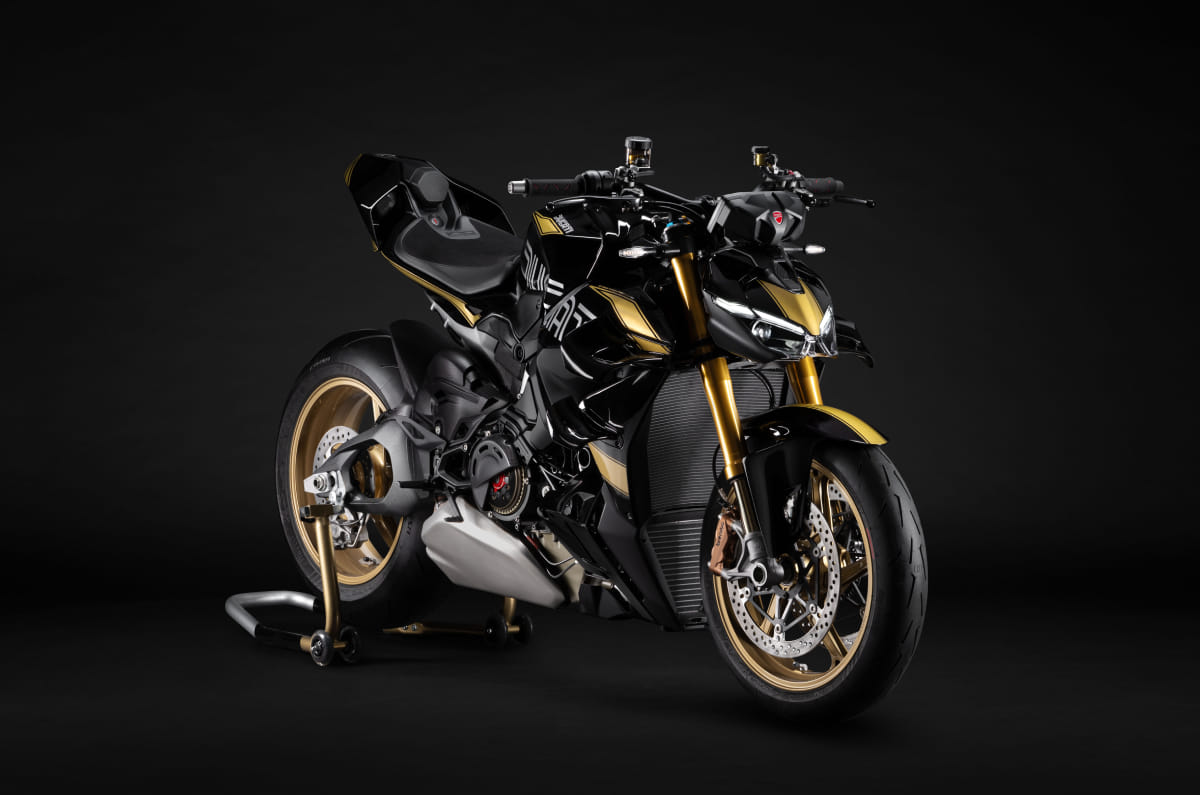
The Ducati Streetfighter V4 S 100 is one of ten motorcycles in the Collezione 100, Ducati’s limited-edition centenary collection, and is limited to just 100 individually numbered units worldwide. Its livery draws from the 1979 900 Sport Desmo Darmah – a motorcycle that was, in many ways, a Streetfighter before the concept existed. The Darmah’s black and gold colour scheme reflected the aesthetic fashions of 1970s and 1980s motorsport, while its name and the distinctive tiger head on its side panels spoke to Italy’s fascination with the exotic at the time. That tiger head reappears on the undertail of the Streetfighter V4 S 100.

Over the standard Streetfighter V4 S, the 100 edition adds an Alcantara seat with an embroidered Ducati 100 logo, carbon fibre rear mudguard, engine cover and exhaust, a dry clutch, and a Centenary Bronze numbered plate on the billet aluminium triple clamp. Standard equipment includes mirror and licence plate removal kits, an open clutch cover and a Centenary Bronze billet aluminium fuel cap crown.

Ferrari 12Cilindri Manuale revealed with simulated manual gearbox

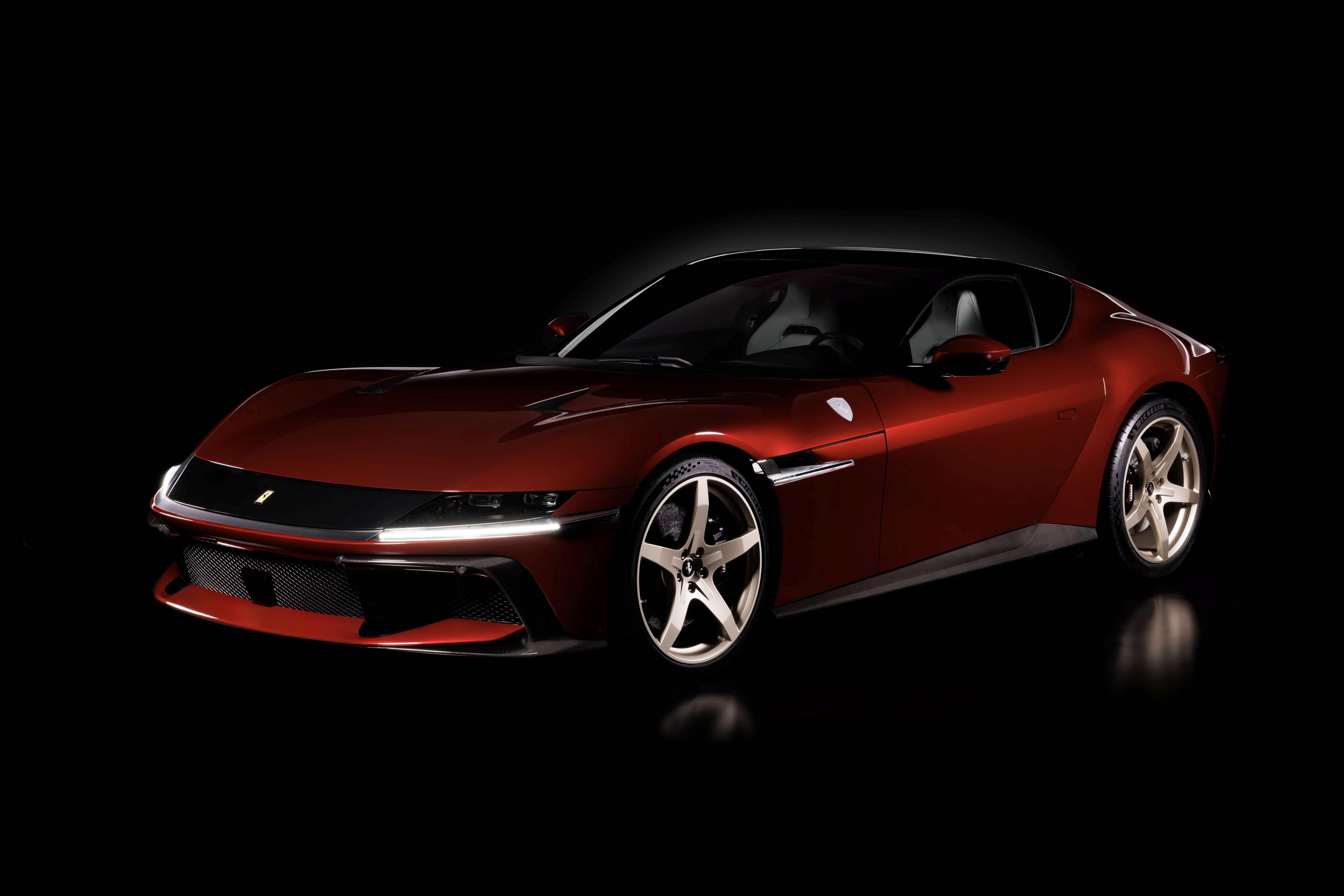
Ferrari 12Cilindri Manuale front quarter static

Ferrari has unveiled the 12Cilindri Manuale as the Italian marque’s first car with a manual gearbox in 14 years – the California roadster was the last one. Only 1,499 units of the 12Cilindri Manuale will be built, each retailing for €590,000 (Rs 6.42 crore).

  1. Retains standard models’ 830hp naturally aspirated V12 engine.
  2. Gets a manual gear lever and a three-pedal setup to simulate shifts.
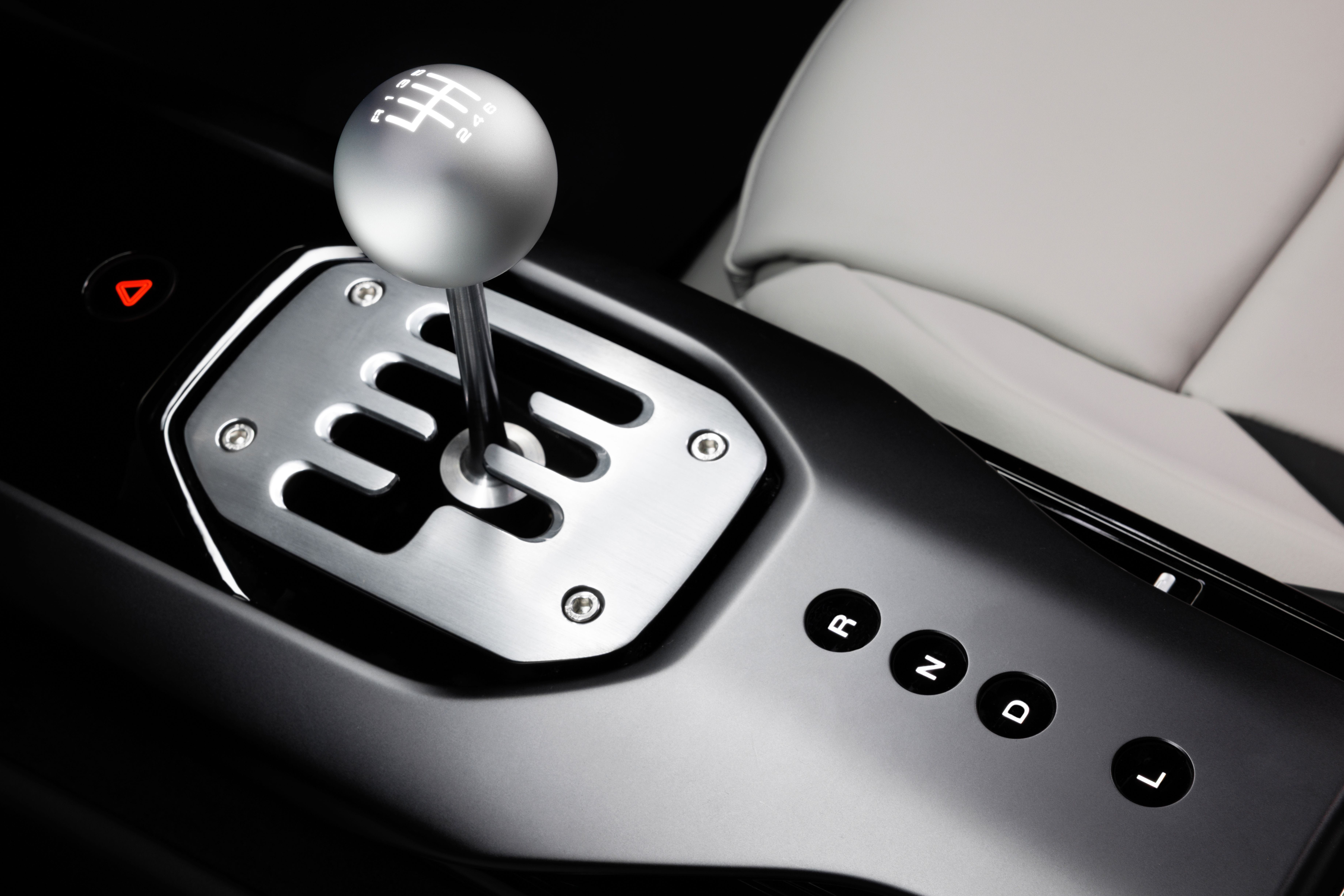
  3. Comes with a revised centre console to accommodate a gated manual gearbox setup.

Ferrari 12Cilindri Manuale engine and gearbox

Not a manual in the conventional sense

The 12Cilindri Manuale continues to be powered by the same 6.5-litre naturally aspirated V12 that chucks out 830hp and 678Nm and can rev all the way up to a howling 9,500rpm. While the standard 12Cilindri funnels that grunt to the rear wheels via an 8-speed dual-clutch automatic, the Manuale uses a ‘Manuale By-Wire’ control system.

That means the 12Cilindri Manuale still gets the 8-speed DCT, but it can behave like a 6-speed manual, complete with a clutch pedal and gated shifter. It’s a similar concept to the Koenigsegg CC850’s Engage Shift System, wherein there’s no clutch or flywheel behind the engine – just a series of sensors to interpret shifter inputs from the driver and pass them on to the DCT, and thereby no physical linkages like a conventional manual gearbox.

Long story short, the 12Cilindri Manuale can be clutch-dumped like a manual, heel-and-toed like a manual, and even stalled like a manual. However, should the driver find themselves in stop-go traffic and don’t feel like rowing through cogs, they can slot the transmission into automatic mode and let the DCT handle gear shifts. One could say it’s the best of both worlds.

0-100kph comes up in a claimed 2.9 seconds, which is exactly the same as that of the pure-DCT 12Cilindri. This is because Ferrari measures the 0-100kph time with launch control enabled, which is possibly only in fully automatic mode. Similarly, the two extra gears in the DCT are what allow the 12Cilindri Manuale to retain its rated 340kph top speed – it would be lower in manual mode as it has six speeds only.

Ferrari 12Cilindri Manuale exterior and interior design 

Features subtle design revisions and a redesigned centre console for the interior

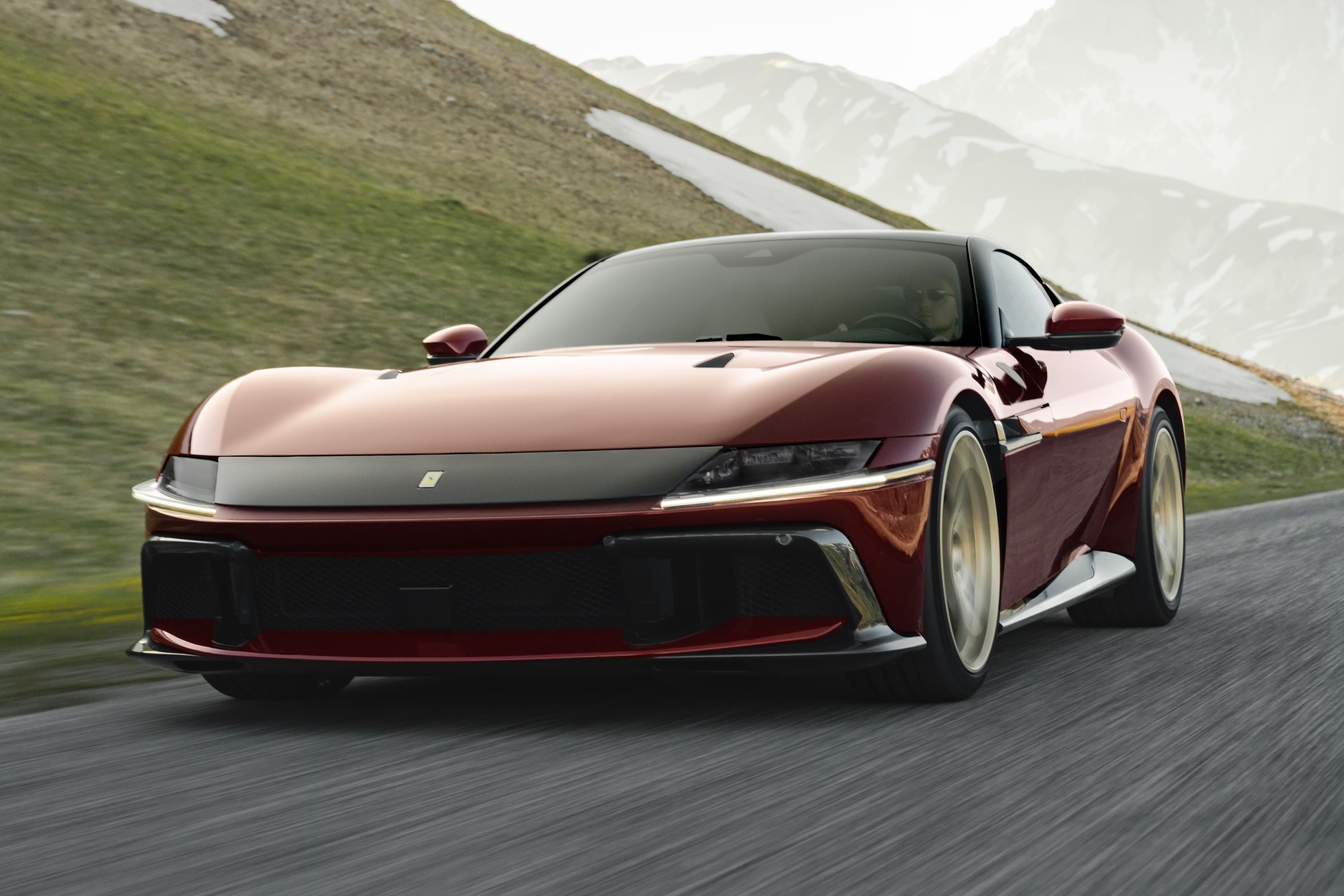
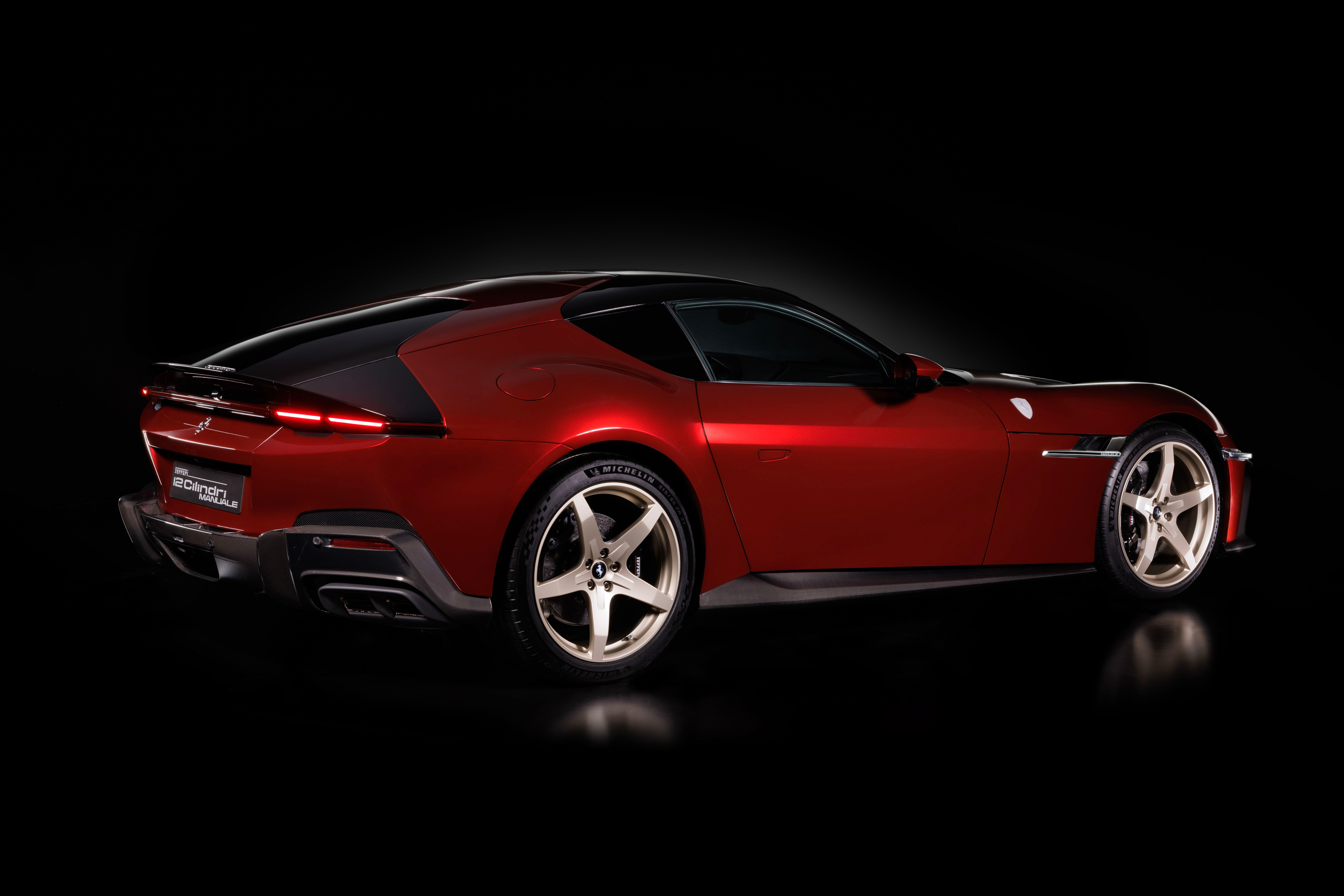
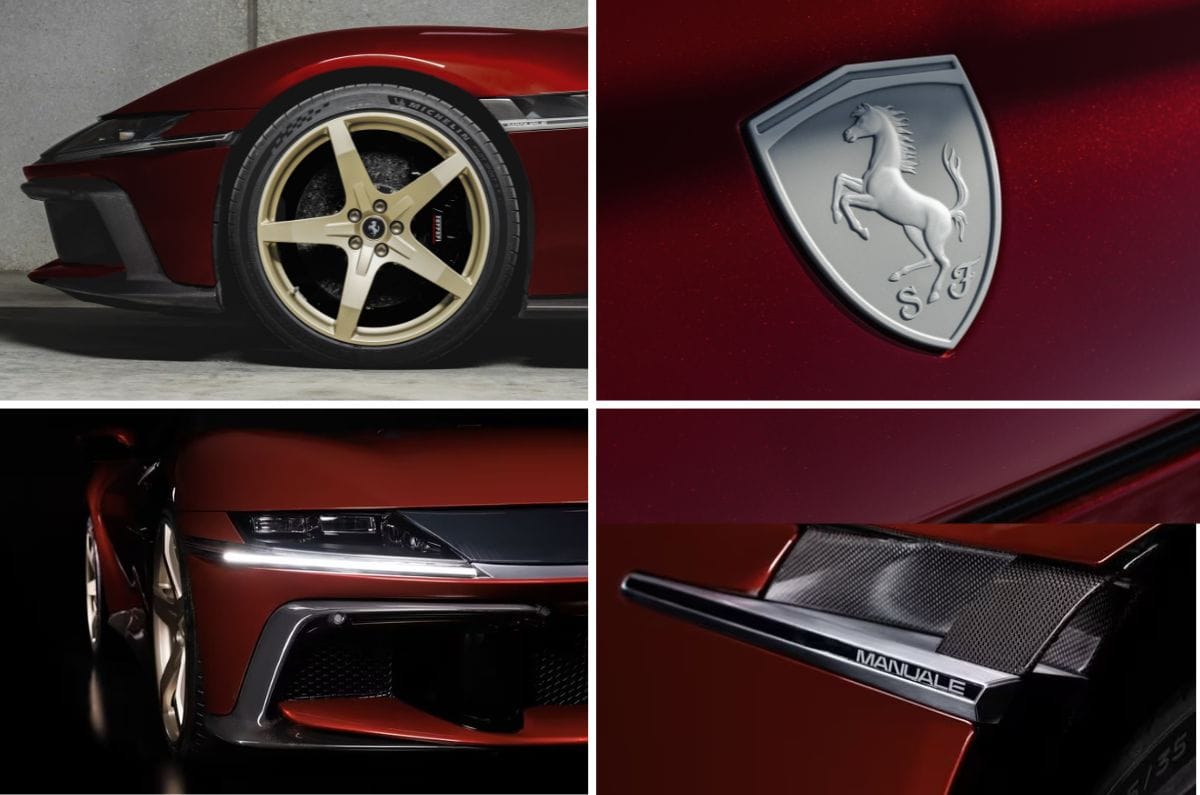
At first instance, one could assume that the Manuale looks like another 12Cilindri. But look closer, and you’ll see that Ferrari has made subtle changes to give it distinction from standard Cilindri’s. For starters, you get Manuale badges on the front fenders. The laser-etched Ferrari logos on the sides get a silver finish, while the front splitter and rear winglets feature a pinstripe finish that pays homage to the 365 GTB4. A noticeable change is an exclusive pair of forged 5-spoke alloy wheels, which are available in four finish options.

For the most part, the Manuale retains the 12Cilindri’s design details. This includes the headlights integrated in a blacked-out portion of the long bonnet, contrasting carbon fibre panels, delta-wing roof motif, quad exhausts, active winglets, and an aggressive diffuser. There’s an optional livery on offer that pays homage to the six-speed gearbox available in multiple colour options.

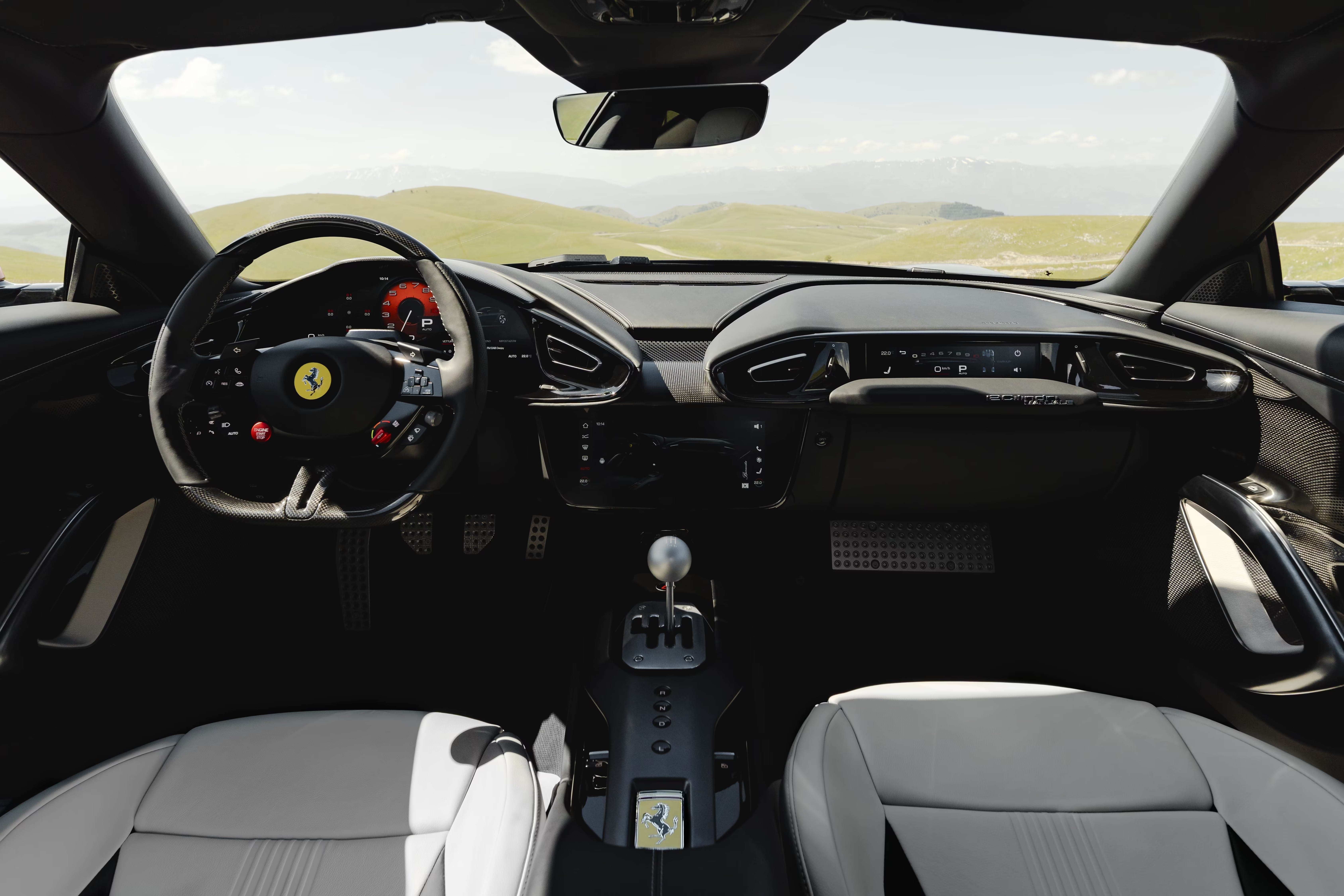
The biggest change to the interior of the 12Cilindir Manuale comes in the form of a revised centre console. It has been redesigned to accommodate the manual gear lever that’s rounded and finished in aluminium, a nod to gated manual gear levers from yesteryear Ferrrari’s. The lever can either be finished in silver or in black. You can either opt for comfort or racing seats that feature a trim with six vertical grooves reminding you that you’re in the Manuale 12Cilindri. The dashboard containing a triple screen setup from the standard 12Cilindri is retained.

Land Rover introduces new Discovery Landmark Edition

Land Rover Discovery Landmark front quarter static

Land Rover has added a new variant to the Discovery SUV range. Called the Landmark edition, it will be positioned as a mid-level variant, slotting between the base S and top-end Tempest editions. Additionally, the SUV maker has also refreshed the Discovery lineup with new colours and feature updates. While JLR has listed the edition on its India website, it has not yet announced its price. 

Land Rover Discovery Landmark Edition: What’s new?

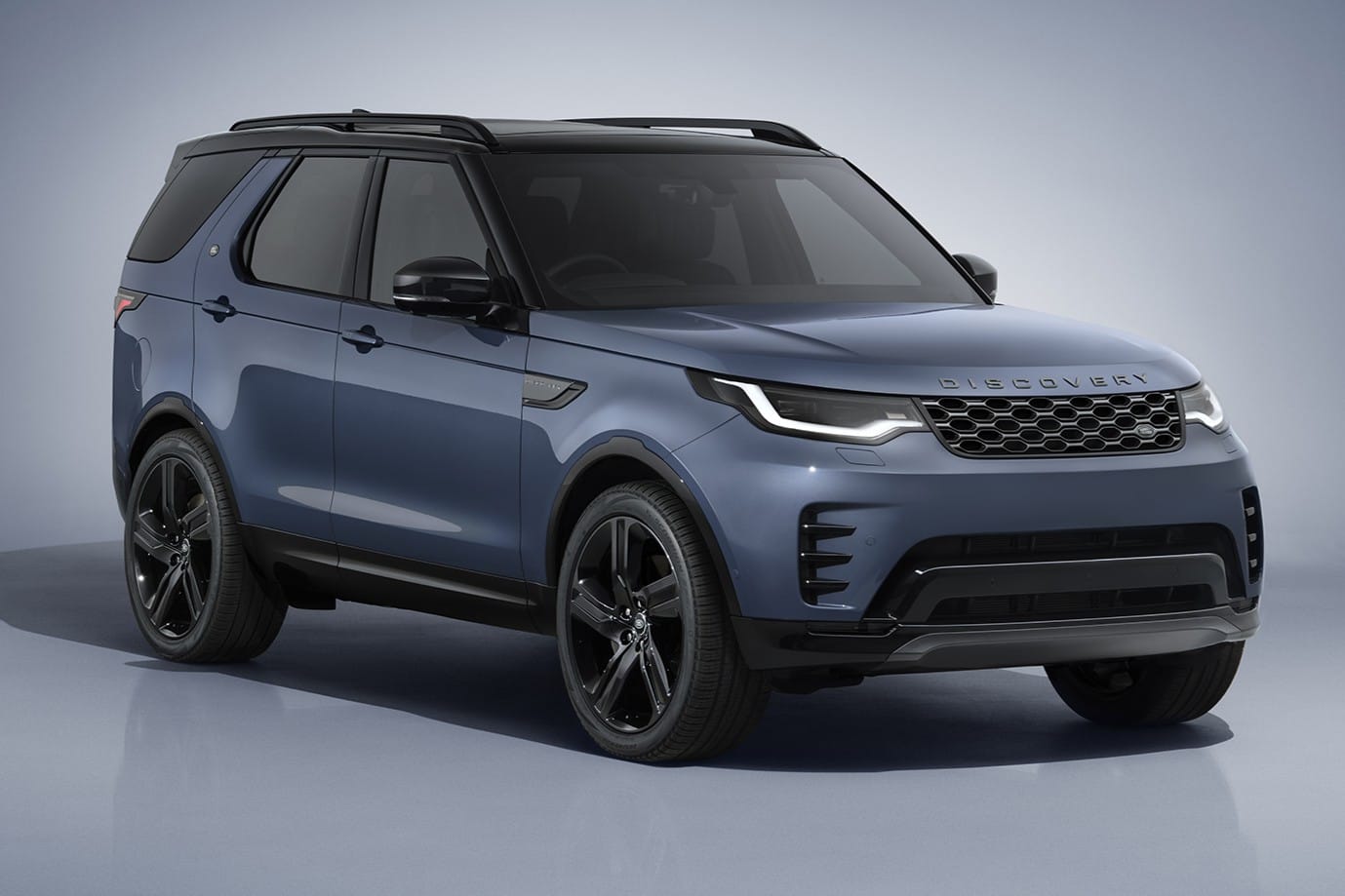
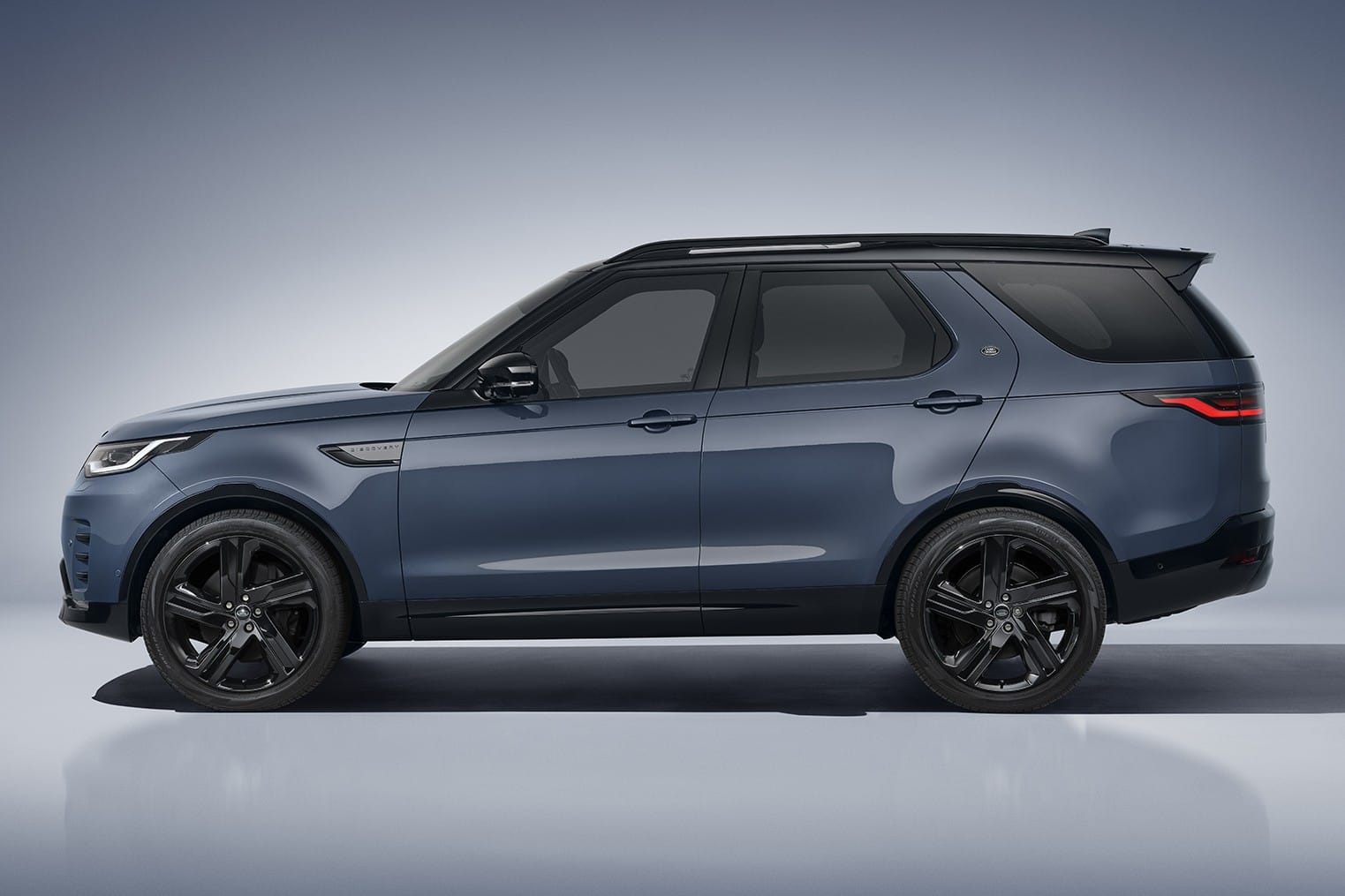
Compared to the rest of the Discovery lineup, the Landmark Edition gets mainly cosmetic differences. It gets an exclusive new Tasman Blue paint job in a metallic finish. The brand says the colour “draws inspiration from the original Clearwater Blue heritage paint dating back to Discovery’s inception in 1989.” There’s also a grey “Graphite Atlas” finish for the grille, front fender vents and Discovery branding at the front and rear, while the front and rear skidplates are done in “Carpathian Grey”.

Additionally, it gets a unique mountain logo on the scuff plate, centre console, circular B-pillar insert and puddle lamp projectors. The interior features brushed aluminium accents with Landmark branding, while the door pads and dashboard feature a faux suede (Tech Velour) trim. Landmark versions get a panoramic sunroof and a centre console refrigerator.  

Tempest versions get a new paint job

The top-end Tempest variant of the Discovery gets a new exclusive Borasco Grey paint job, and irrespective of the colour chosen, all Tempest variants get matte protective film as standard. Additionally, all Discovery models get a new ‘Dark Agate Grey’ finish for the 21-inch alloy wheels and a driver attention monitoring system.

Updated Land Rover Discovery: Powertrain 

The Discovery continues to be powered by a single 3.0-litre diesel engine, delivering 350hp and 700Nm of torque. Power is sent to all wheels via an 8-speed automatic transmission. There’s also Land Rover’s Terrain Response 2 onboard, providing a range of terrain and driving modes. Land Rover says the Discovery has a water wading capacity of 900mm and a towing capacity of 3,500kg.