

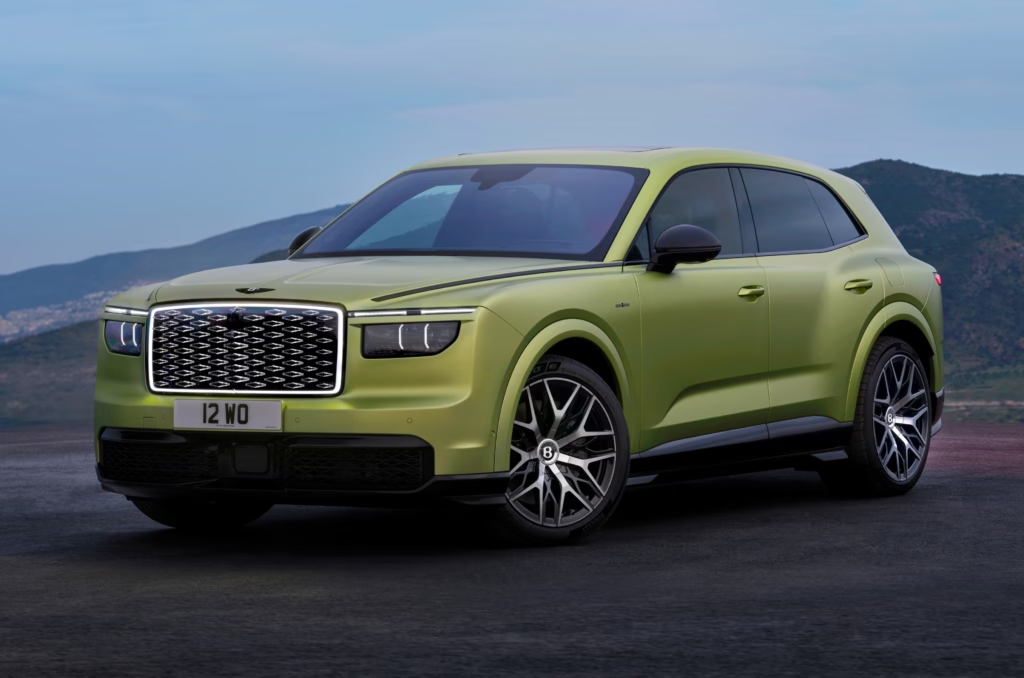
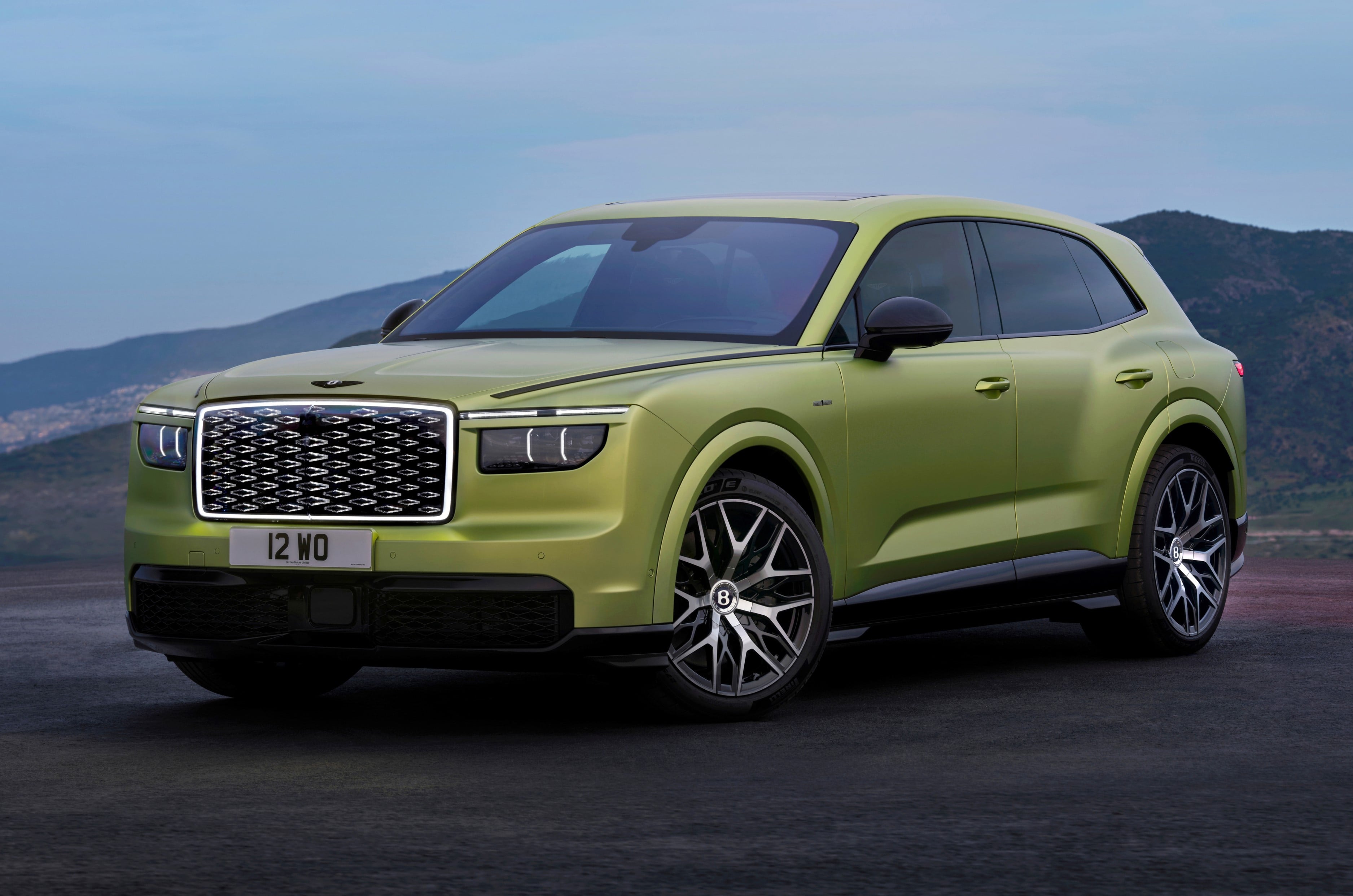
For 107 years, Bentley has been defined by what sits under the bonnet: supercharged Blowers, mighty W12s and thundering V8s. The Torcal has none of that. It’s Bentley’s fourth model line and its first electric car. It slots in below the Bentayga, and it will never get a petrol engine. Bentley also calls it the template for every Bentley that follows, whatever the powertrain.
Like many modern Bentleys, the Torcal is named after a natural wonder. El Torcal de Antequera is a dramatic landscape of weathered limestone in southern Spain. The car is also the first Bentley to wear the brand’s redesigned, modernised emblem, which was revealed last year. That leaves one question that matters. Take away the engine, and is it still a Bentley? We haven’t driven it yet, so the full answer will have to wait. After a close look at the First Edition, the fully loaded launch car, there’s plenty to go on.
Bentley Torcal exterior design: light is the new chrome
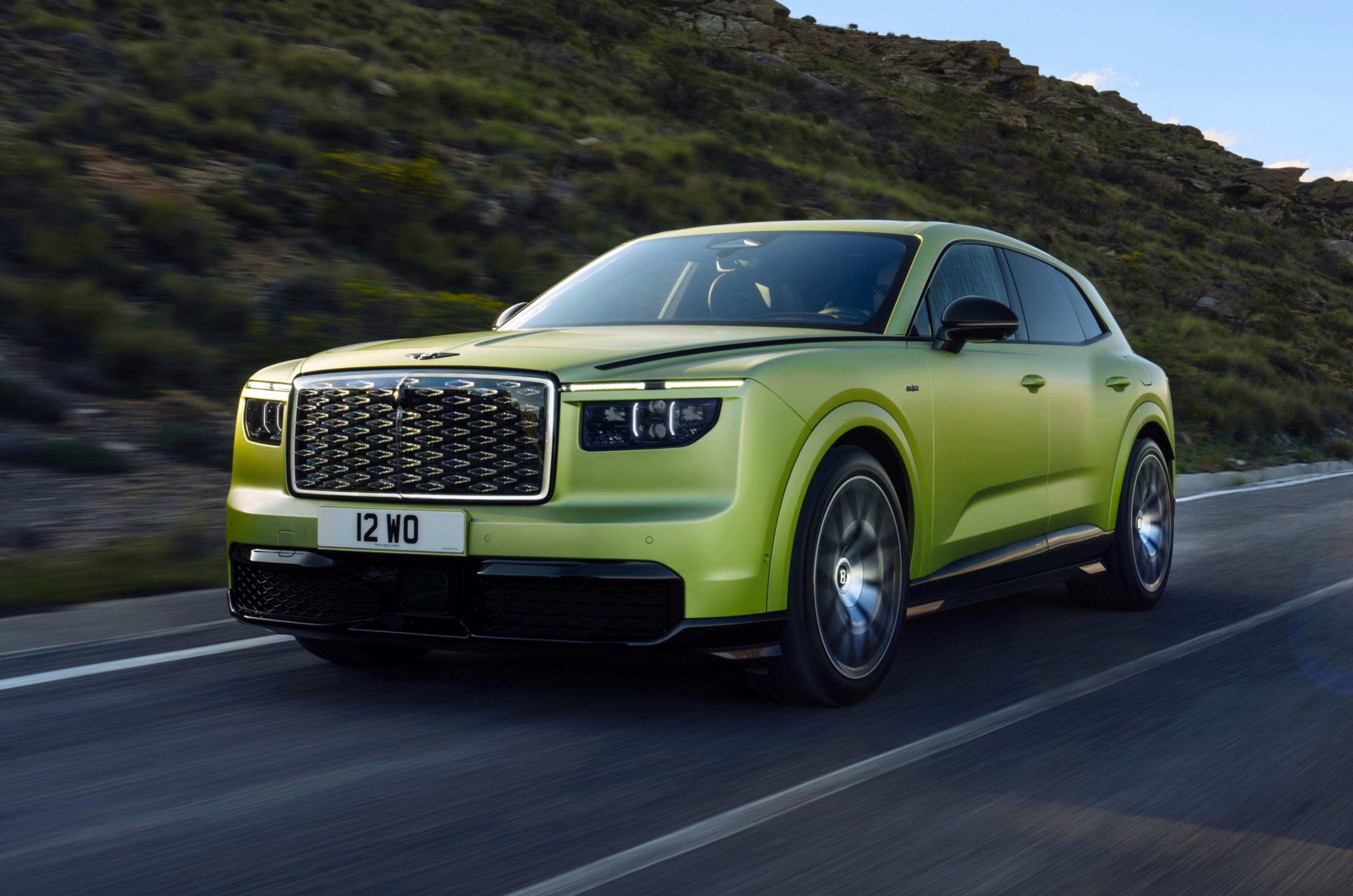
Designing an EV for a brand with this much pedigree was never going to be easy, but Robin Page’s in-house team at Crewe has done a fine job. The Torcal sits 50mm lower and is 120mm shorter than a standard-wheelbase Bentayga, yet it looks the better proportioned of the two. The wheelbase is just over three metres, the car is about five metres long, and the overhangs are short. Bentley’s signature ‘endless bonnet’ does much of the visual heavy lifting.
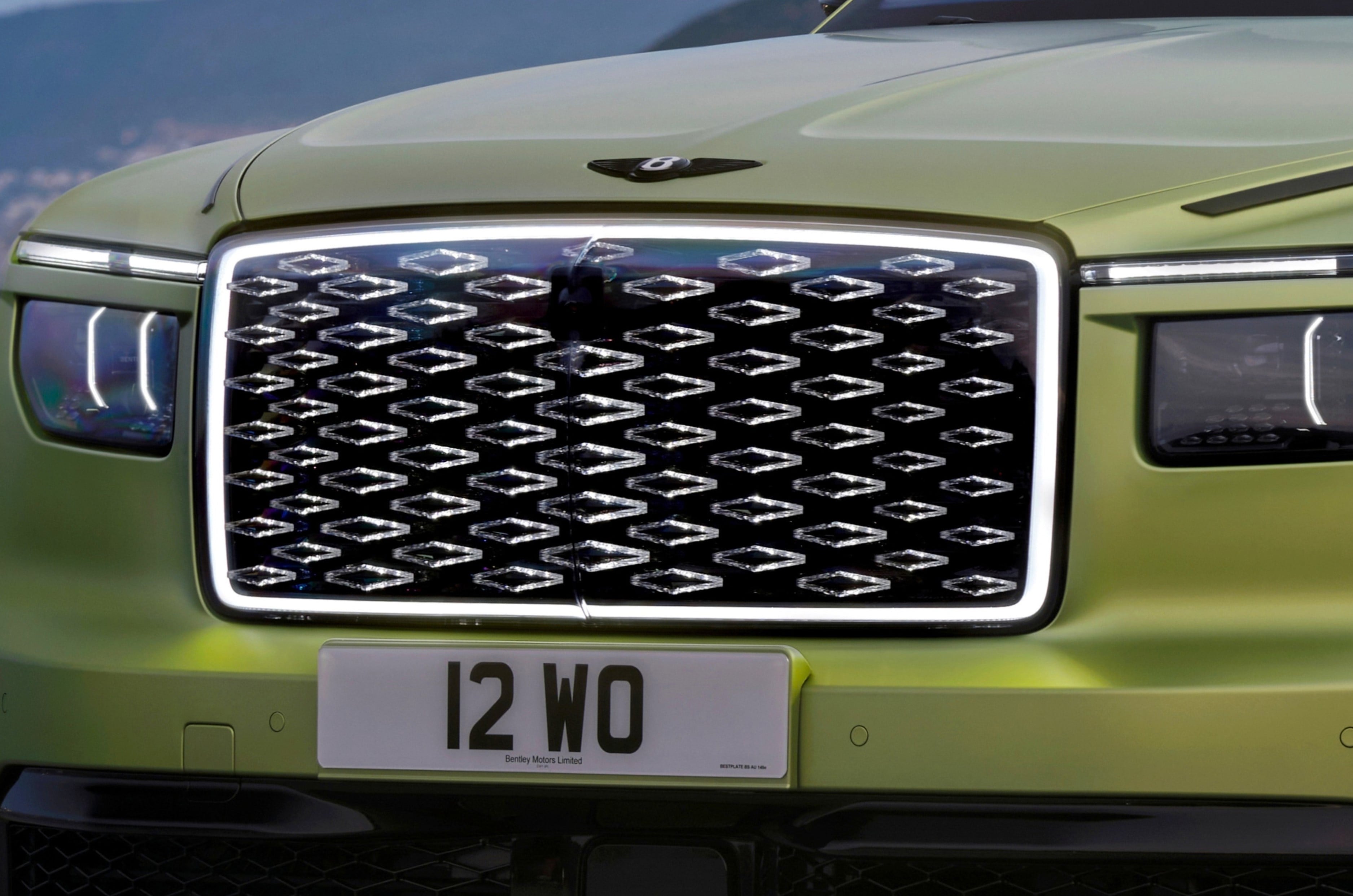
An EV doesn’t need a grille for cooling, but Bentley argues that a car without one is faceless. The Torcal’s solution is an illuminated one with crystal-effect, diamond-like elements set behind a clear polycarbonate panel. It’s the car’s signature piece, and it will look spectacular filling someone’s rear-view mirror. The face echoes the Continental T, reinterpreted through slim, high-tech lighting.
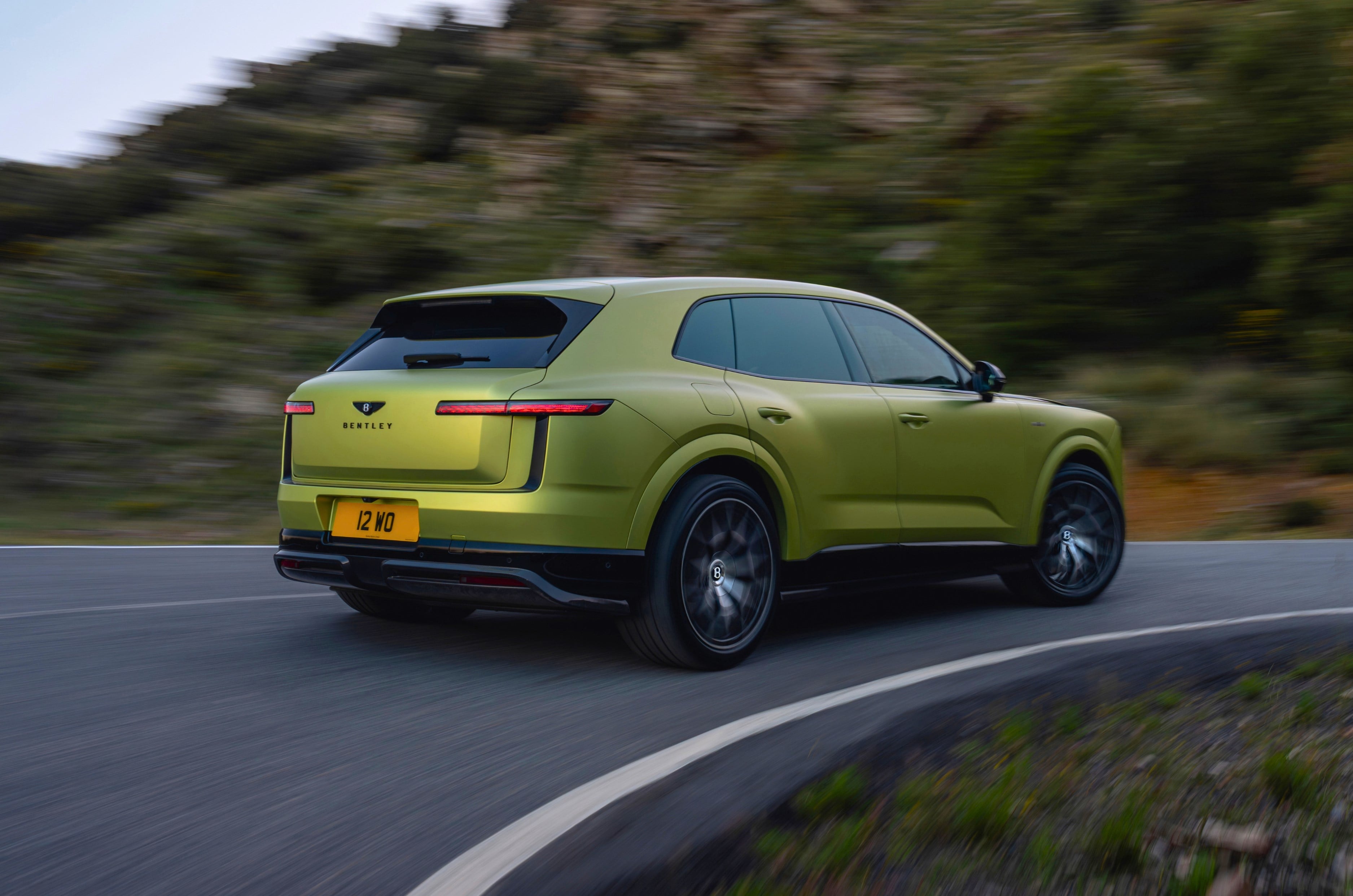
The flanks are deliberately free of fussy creases. The cabin tapers towards the rear so the body can swell over the back wheels, a look the designers call the ‘resting beast’. At the back, Bentley claims are some of the slimmest tail-lamps in the industry. A U-shaped motif ties them together and emphasises the car’s width.
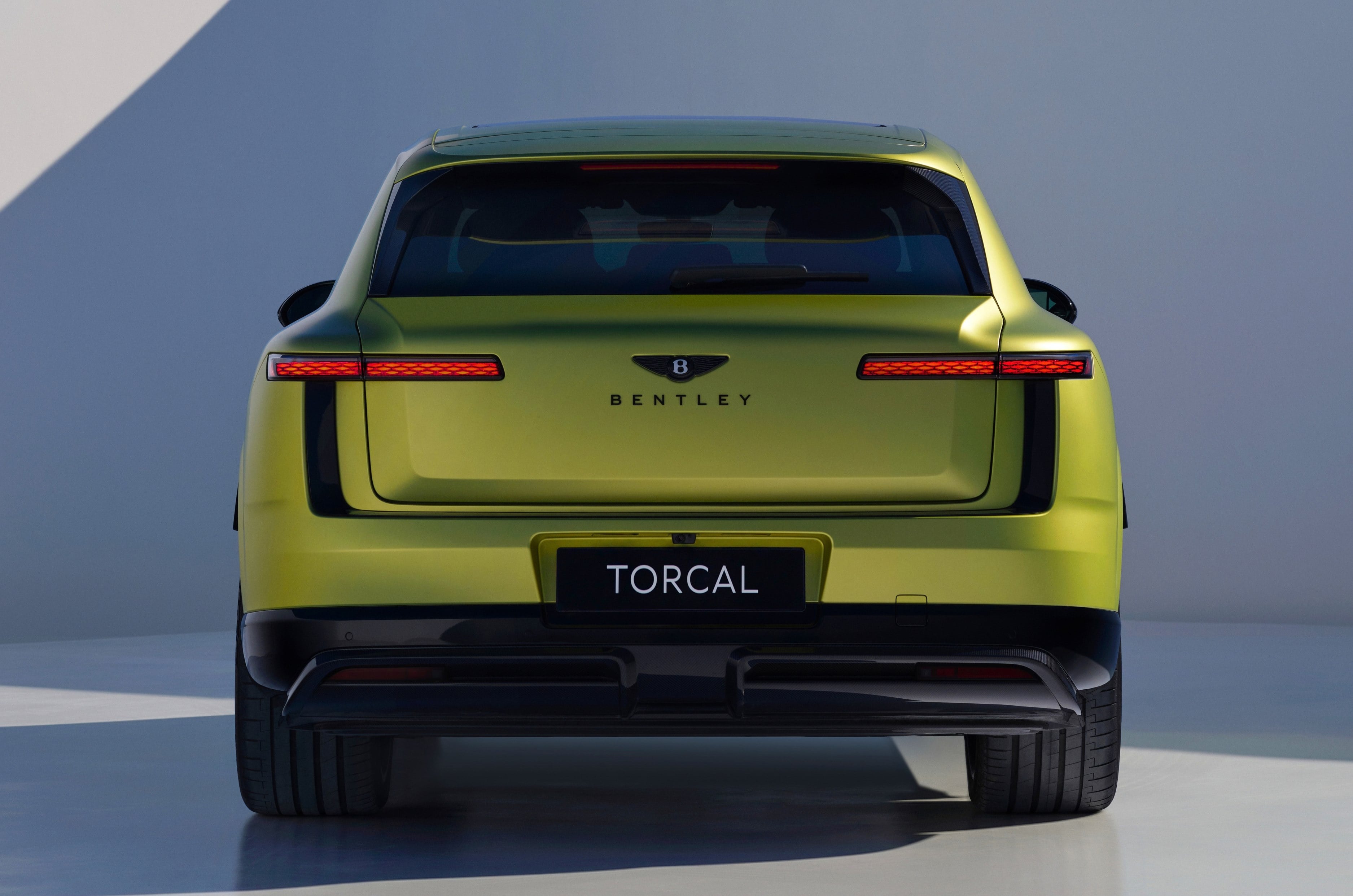
Our car rode on 22-inch wheels. The core car gets 21s as standard, and India-spec cars may well get the smaller, higher-profile rim. Other neat touches include a charging flap that slides open when you wave a hand over it, and a 90-litre frunk under that long bonnet. The 460-litre boot isn’t especially generous, and there’s no spare wheel, only a puncture repair kit. On Indian roads that could be an issue, though most owners will simply leave a flat to the chauffeur to fix
Bentley Torcal interior: Screens, with restraint
The cabin is completely new, and the tricks start before you’re inside. All four doors are powered and radar-controlled. The driver shuts theirs by pressing the brake pedal, and passengers can close theirs simply by buckling up.
The first thing you notice is that Bentley hasn’t turned the Torcal into an iPad showroom. The centrepiece is the curved OLED centre screen. It doesn’t perch on the dash like a tablet; it sweeps down and flows into the centre console as one continuous form, and nothing else in the class looks quite like it. The OLED panel gives deep blacks and rich colours, and the curve brings every corner of the display within easier reach. Crucially, physical controls haven’t been binned. The switches have a beautiful knurled finish and satisfying, precise clicks, and purists will love them.
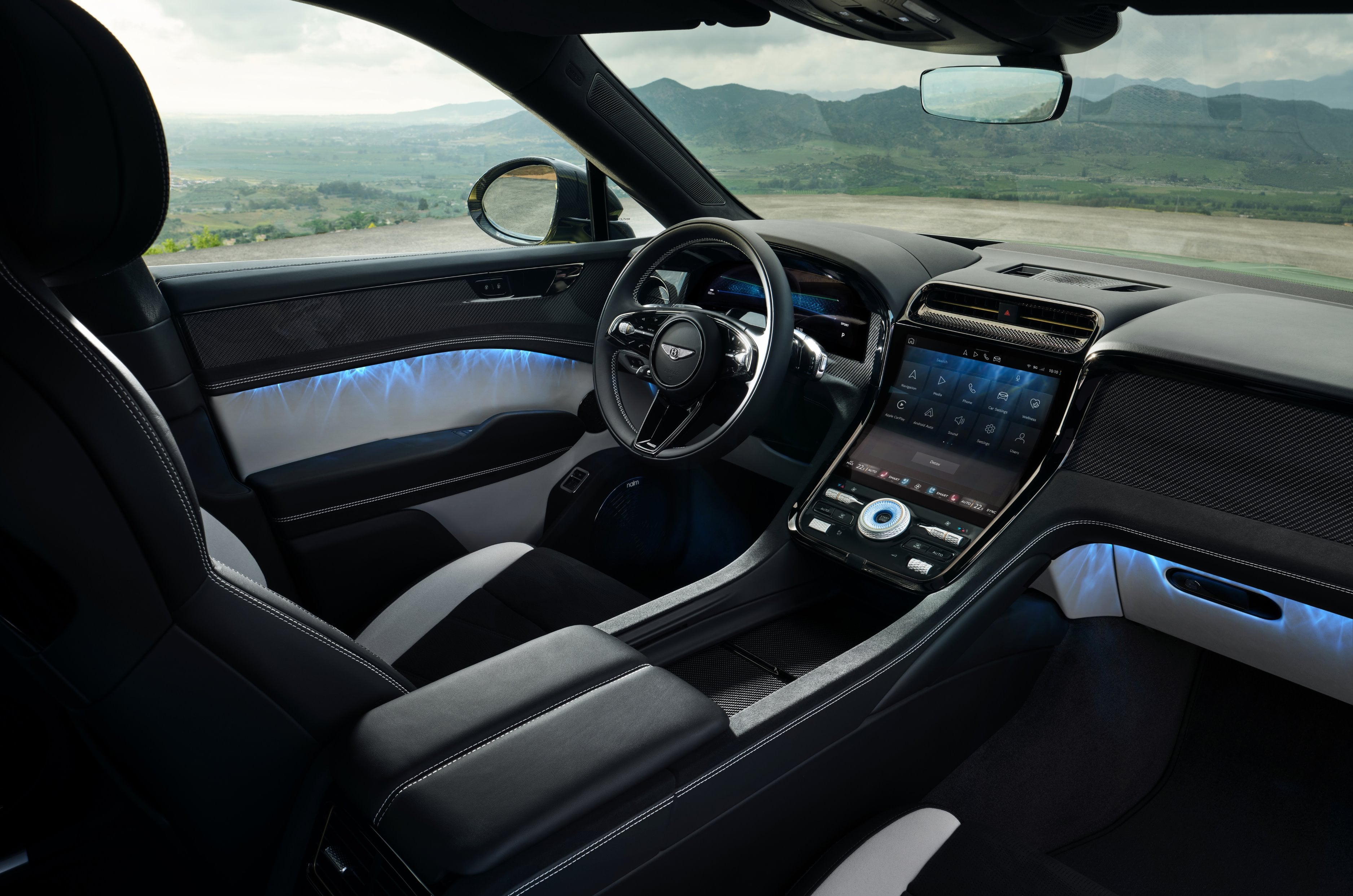
There’s one gripe. The direction of the front air vents is set through the touchscreen, a trend creeping into many luxury cars, and a physical slider would have been far nicer. Otherwise, we haven’t seen any car balance digital and physical controls better.
The tech runs deep. A facial-recognition camera in the rear-view mirror identifies the driver and loads their seat, steering and ADAS settings. An augmented-reality head-up display projects navigation arrows and hazard markers into the driver’s line of sight.
Curated experience
Twist the rotary collar around the starter button and you cycle through four Experience Modes. Each one changes the cabin’s lighting, sound, climate and displays as well as the car’s dynamics.
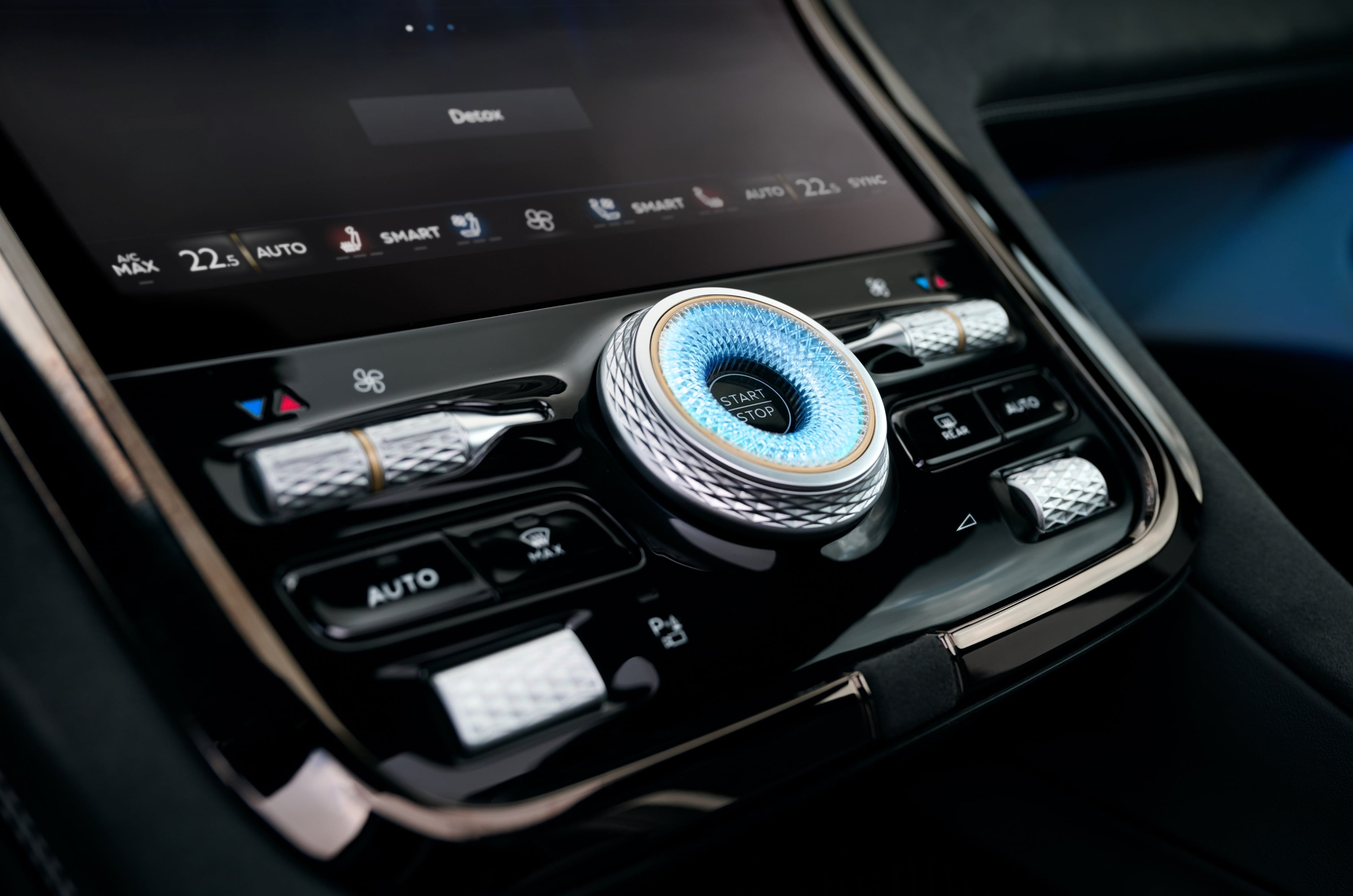
Sport bathes the cabin in blue rather than the expected red. Bentley’s reasoning is that red signals anger while blue signals focus, which makes it a better colour for driving fast. Bentley mode balances performance and comfort. Comfort mode calms things down and offers a ‘digital detox’ that hides all but essential information. Refresh ups the fresh-air flow and brightens the lighting.
Drumming up character
The hardest thing about an electric Bentley is making it feel like a Bentley. For traditional owners, that means sound. The 6¾-litre V8 is iconic, but it was never a perfect engine. Bentley’s view is that its flaws, like in humans, give it emotion and character. So rather than synthesising a flawless digital imitation, Bentley recorded real musicians on drums, viola and bass guitar. The result is the ‘Dynamic Symphony’, complete with tiny imperfections. It responds to torque demand and speed, grows louder in Sport, and can be switched off entirely.
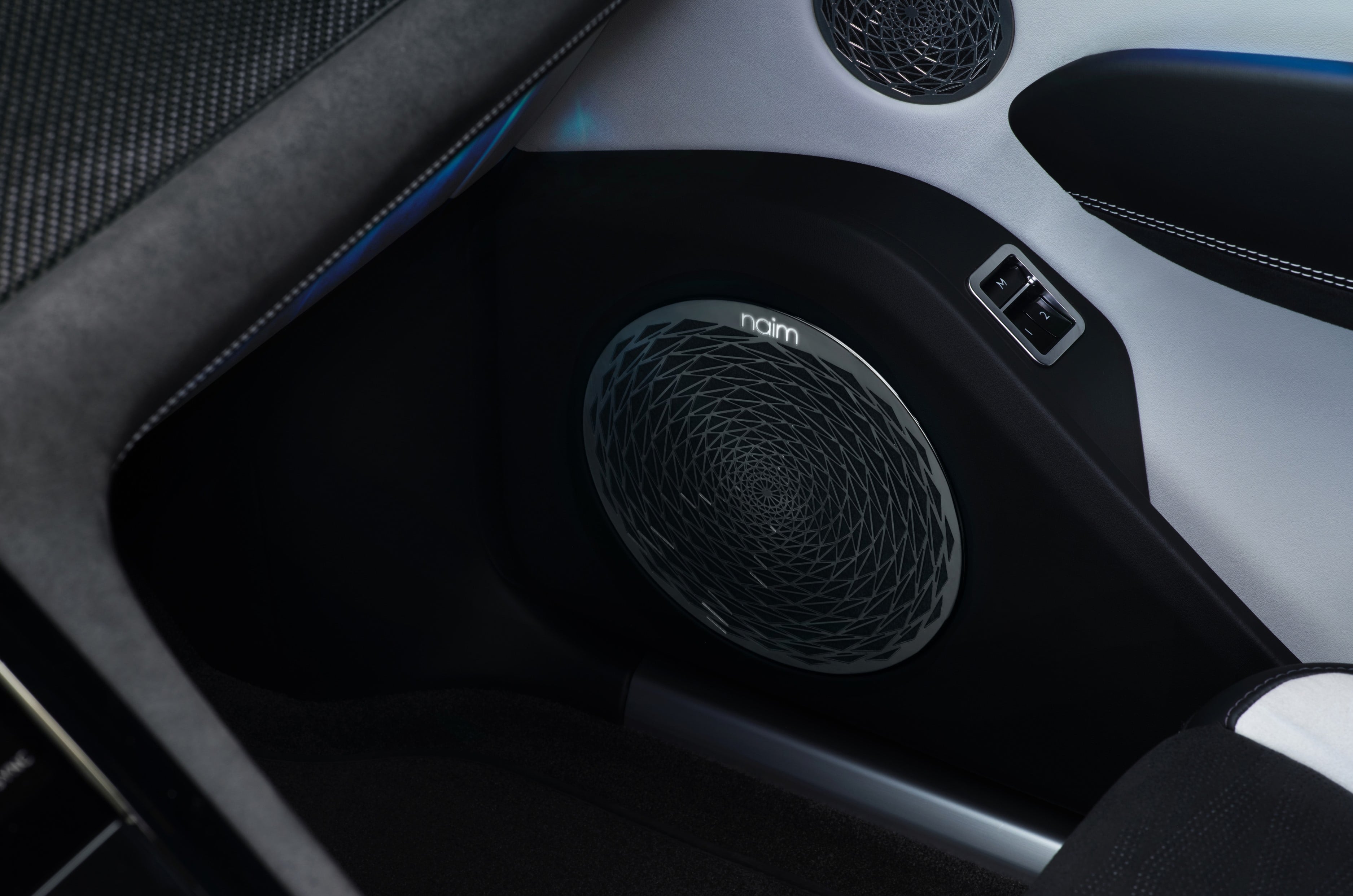
The attention to sound goes further. The indicator tick is a recording of a hammer striking leather in Bentley’s upholstery workshop, and the touchscreen chime comes from a crystal glass. Standard audio is a 620W, 16-speaker system. The Naim option runs to 1,780W and 28 speakers, with headrest speakers, seat shakers and Dolby Atmos 7.1
Material world
Materials are traditional Bentley, pushed further. There are wood veneers less than a millimetre thick, crisp aluminium and a deep piano black. Leather comes in 15 shades. The real headline is the world’s first 100 per cent Merino wool automotive fabric, developed with Somerset weavers Fox Brothers.
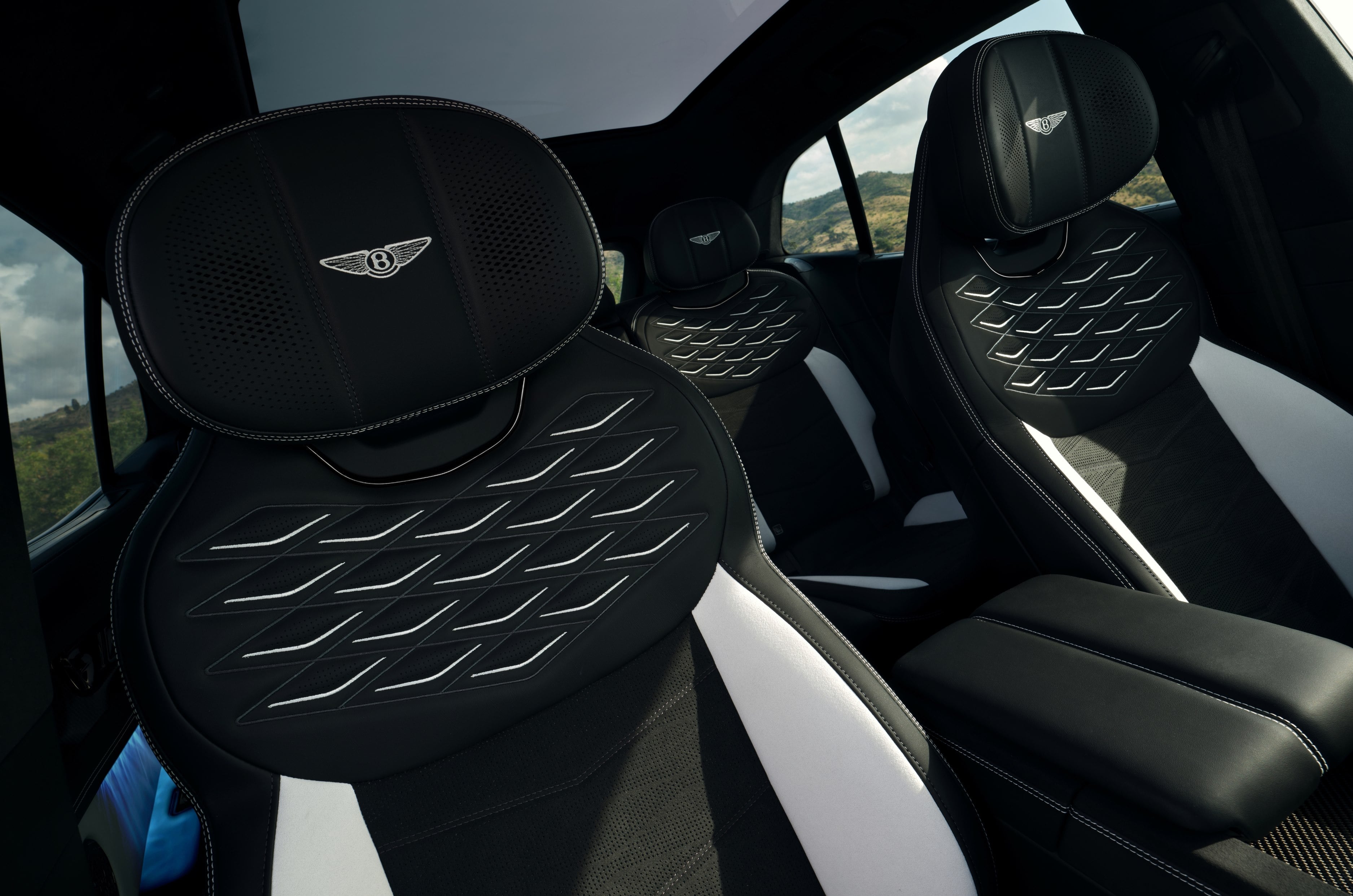
New Mulliner finishes include Ombré Walnut, which presses up to 1,000 layers of walnut off-cuts and recycled paper into a veneer that fades from black to smoke. Sunburst Aluminium reinterprets the engine-turned dashboards of old Bentleys. Overhead, the Frosted Diamond sunroof uses switchable glass, so you decide how much light floods in. The scope for personalisation is vast. A second car we saw, trimmed in lighter upholstery with far more brushed aluminium, felt like a different interior altogether.
Bentley Trocal back seat experience
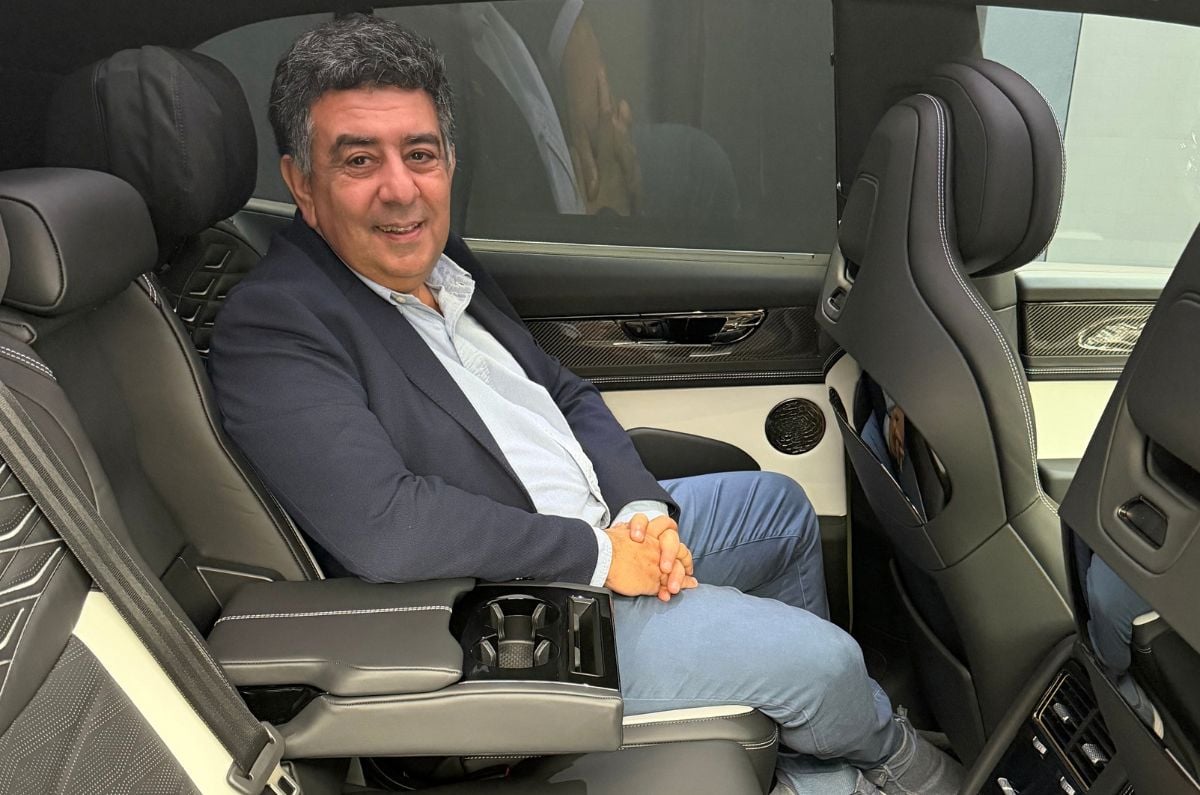
The rear seat matters most for Indian buyers, many of whom will be chauffeured. It’s impressive for a car smaller than a Bentayga. Under-thigh support is genuinely good, which is rare in an EV, where the battery usually pushes the floor up. Legroom and headroom are decent, though this is ultimately a car to be driven.
The rear climate vents get the physical controls the front vents lack. There are heated and cooled seats, and three USB-C ports, one of them rated at 100W for charging a laptop. The rear bench is also the first in a Bentley to power-fold.
Bentley Torcal specs, battery and range
The Torcal rides on the PPE platform that underpins Porsche’s Cayenne Electric. The Cayenne tops 1,100hp in its most potent form, but Bentley has deliberately stopped short. The flagship makes 888hp and 1,350Nm, the most torque of any Bentley ever and has launch control which I doubt will ever be used! That’s enough to take a roughly 2.7-tonne SUV from 0-100kph in 2.9 seconds. Bentley’s research found that most customers find anything more violent uncomfortable.
Two permanent-magnet motors draw from a 113kWh (net), 800V battery, which carries a 10-year, 100,000-mile warranty. Claimed range is 600km WLTP. This is a continent-crosser, so charging speed was a priority. On a 400kW charger, a 10-80 per cent top-up takes 16 minutes, and around 160km of range goes in during a seven-minute coffee stop. India currently has no such high-speed chargers, yet.
The chassis is Bentley’s most advanced yet. Fully active suspension replaces anti-roll bars altogether, and five degrees of rear-wheel steer shrink the turning circle to 11.1m. Carbon-ceramic brakes with 440mm front discs are optional. The ADAS suite uses 25 radars, sensors and cameras. It can reverse the car along the last 50 metres of its route, and it can park itself in a designated space up to 200 metres away.
Bentley Torcal India launch plans
The Torcal arrives in India in the second half of 2027. It’s a smidgen smaller than the Bentayga but will be substantially pricier, because EVs don’t get the same customs-duty benefit under the new UK-India FTA. Expect around Rs 4.5 crore, ex-showroom. Is it worth it? We’ll tell you once we’ve driven it. Standing still, at least, the Torcal makes a convincing case that a Bentley without an engine is still a Bentley.