

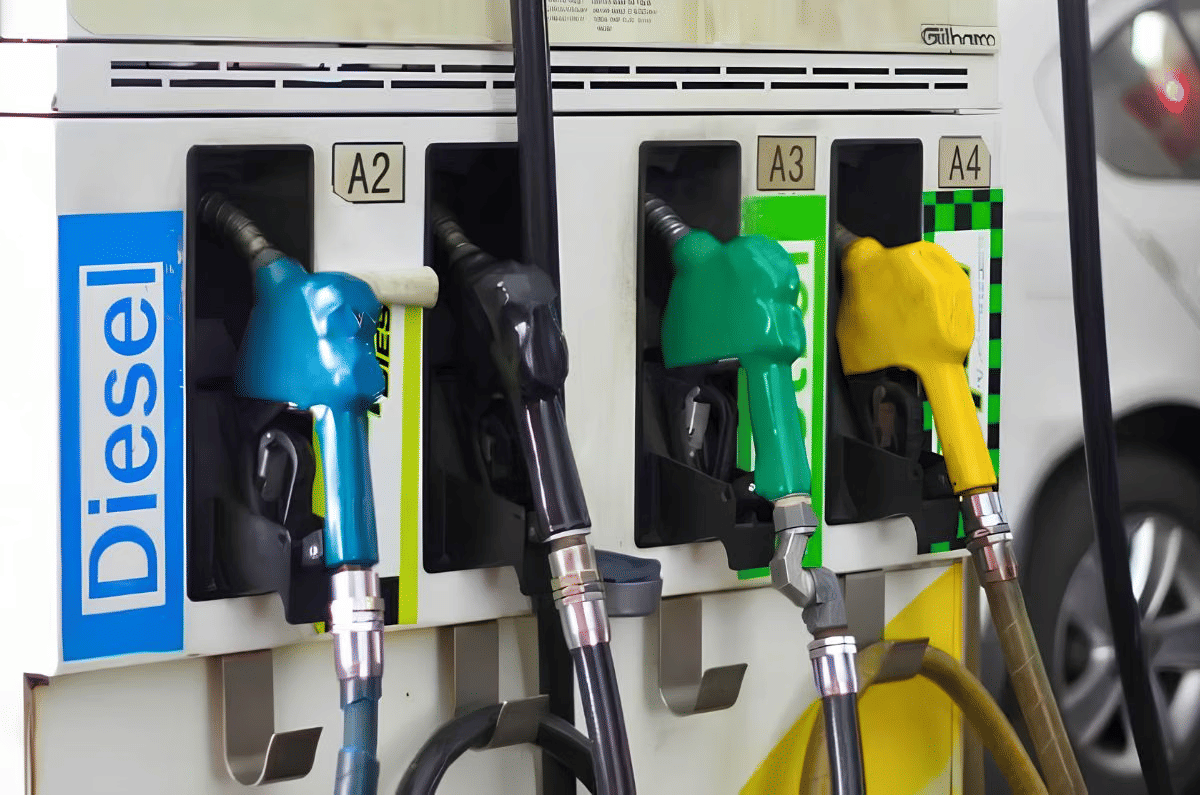
The government has ruled out blending ethanol with diesel, as it sharply lowers the fuel’s flash point (the temperature at which its vapours can ignite) and fails to meet the required safety standards. Public-sector oil marketing companies (OMCs) tested ethanol-diesel blends at their research and development centres, in association with accredited laboratories and automobile manufacturers, Minister of State for Petroleum and Natural Gas Suresh Gopi said.
This comes after the government seeks to blend ethanol with other fuels beyond petrol. Currently, E20 and E85 fuels, which contain 20 percent and 85 percent ethanol respectively, are available in the country.
Issues in ethanol-diesel blending
Speaking of flash points, ethanol has a flash point of just 12 to 13deg C, compared with the minimum 35deg C requirement for diesel. This puts the two fuels in different petroleum safety classes, making both their storage and transportation difficult. Even with proprietary binders, OEMs have generally been reluctant to go beyond a 5 percent ethanol blend before combustion issues emerged.
For years, blending ethanol with diesel has been a challenge as the chemistry refuses to cooperate. Ethanol is a two-carbon alcohol with a polar structure, meaning it doesn’t like to mix with the oily consistency of diesel. As a result, ethanol and diesel can separate when stored together unless chemical binders are used. These binders, however, can be expensive.